
The Coast That Refuses to Be Tamed
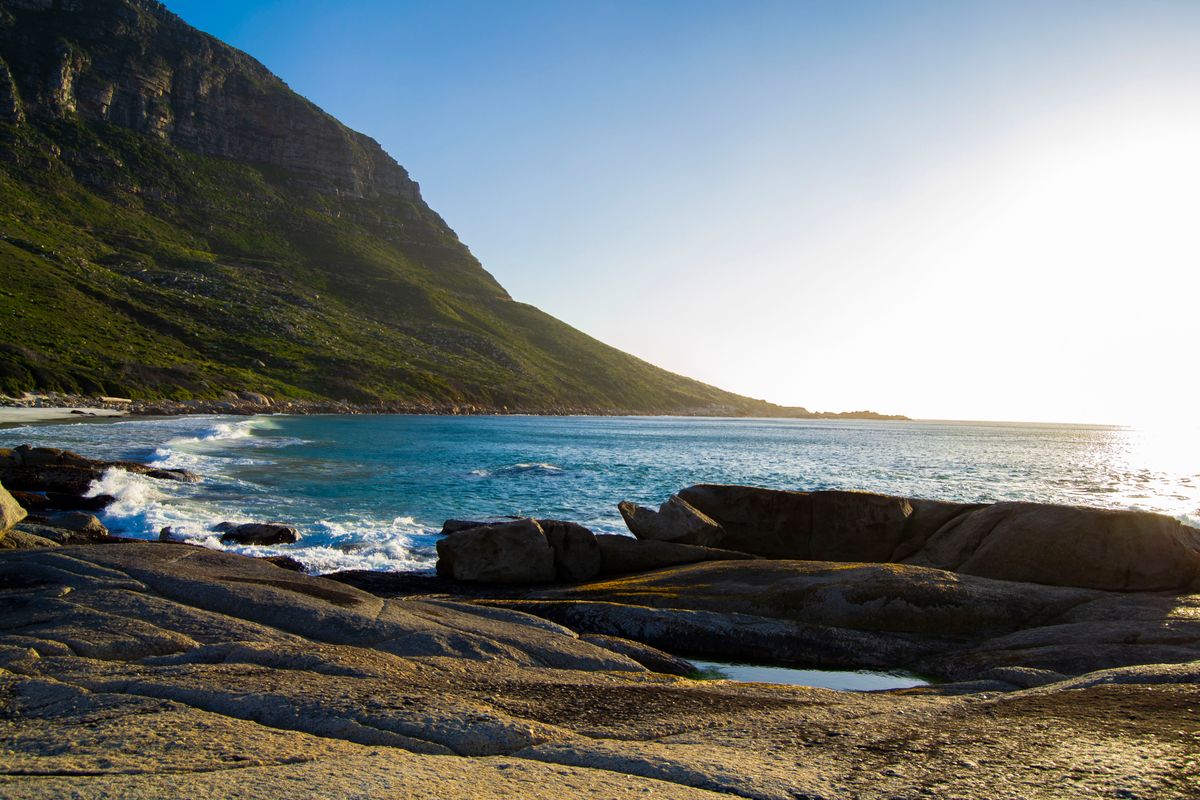
If you drive south from Durban along the N2, something shifts around Hibberdene. The sugar cane thins. The resorts disappear. The road narrows and curls against cliffs that drop straight into the Indian Ocean. You have entered the Wild Coast, and it does not care about your itinerary.
This is South Africa’s last truly untamed shoreline, a 280-kilometre stretch of Eastern Cape coastline where waterfalls plunge directly onto beaches, cattle wander across dirt tracks, and the ocean hammers rock formations that look like they were sculpted by a argument between wind and water. There are no mega-resorts here. No boardwalks. No themed beach clubs. Just raw, staggering coastline and a pace of life that makes Cape Town feel frantic.
Why the Wild Coast Matters
Most Southern Africa itineraries treat the Eastern Cape as a transit zone. You drive through it on the way from KwaZulu-Natal to the Garden Route, or you fly over it entirely. That is a mistake, and a common one.
The Wild Coast is where South Africa’s geographic drama reaches its peak. The coastline is jagged with sea cliffs, deep gorges, and crescent beaches accessible only on foot or by 4×4. Inland, rolling green hills dotted with traditional Xhosa villages stretch toward the Drakensberg foothills. It is one of the few places in Southern Africa where you can stand on a cliff edge in the morning, hike through a rural village in the afternoon, and watch the sun set over the ocean from a hammock strung between two milkwood trees.
It is also one of the most culturally significant regions in the country. This is the birthplace of Nelson Mandela, the heartland of Xhosa culture, and home to some of the oldest missionary stations in Southern Africa. The history here is not in museums. It is in the landscape.
The Five Places You Cannot Miss
Hole in the Wall: A massive stone archway carved by waves in a promontory jutting from the coast near Coffee Bay. Xhosa folklore calls it “Izi Khaleni,” the place of thunder, where the sea speaks through the rock. At sunrise, the light pours through the arch like a spotlight. It is one of the most photographed natural features in South Africa, and still, no photograph prepares you for the scale.
Coffee Bay: The unofficial capital of the Wild Coast backpacker scene, but do not let that scare you. This is where the N2 dirt road meets the ocean, and the setting is spectacular. Hike to Mapuzi Caves, swim in the tidal pools, or walk the coastal trail to Hole in the Wall, a 3-hour trek that crosses river mouths, grassy headlands, and empty beaches.
Port St Johns: Once a chic resort town in the 1920s, now a gloriously faded, bohemian outpost at the mouth of the Umzimvubu River. The First Beach is wild and wide, backed by forested cliffs. The Second Beach is quieter, with a river mouth that is safe for swimming. Hippo and crocodile warning signs are real, not decorative.
Mkambati Nature Reserve: The crown jewel of the Wild Coast and the place most travellers never reach. Waterfalls cascade directly onto the beach. The Mkambati River cuts through gorges before emptying into the ocean. Wild horses roam the grasslands. If you want to experience the Wild Coast at its most raw and beautiful, this is it. You will likely have the entire reserve to yourself.
Mazeppa Bay: A sleepy coastal village with a suspension bridge connecting the mainland to a small island. The beach is vast and empty. The fishing is exceptional. This is the Wild Coast at its most peaceful, a place where the loudest sound at night is the ocean.
How to Travel the Wild Coast (Without Regrets)
Self-drive is best, but demands respect. The N2 between Mthatha and Port Edward is tarred but narrow and heavily used by trucks. The real Wild Coast is on the dirt roads that branch off toward the coast. A 4×4 is strongly recommended, especially after rain. Do not attempt river crossings in a sedan. Every year, vehicles are lost to unexpectedly deep water.
Allow time. Then add more. The Wild Coast punishes rush. Roads that look like 30-minute drives can take two hours. Ferries at river mouths only run in daylight. Weather can close trails without warning. Build buffer days into your itinerary and treat delays as part of the experience, not a failure of planning.
Stay in small lodges and backpackers, not chains. The Wild Coast has no chain hotels, and that is the point. Places like The Bomvu in Coffee Bay, Umzimvubu Backpackers in Port St Johns, and Mkambati Lodge are run by people who know every trail, every tide, and every story. You are paying for local knowledge as much as a bed.
Respect the communities. The Wild Coast is not an empty wilderness. It is home to hundreds of thousands of people living in rural villages. When you hike, you will walk through homesteads and past cattle kraals. Greet people. Ask before photographing. Support local guides and businesses. The Wild Coast’s greatest asset is not its scenery but its people.
When to Go
The Wild Coast is a year-round destination, but the experience varies dramatically by season. Summer (November to March) brings hot, humid days and warm ocean water, but also the possibility of heavy rain and swollen rivers. Winter (June to August) is drier and cooler, with clear skies and excellent hiking conditions. The ocean is cold but swimmable at tidal pools.
The best months are April-May and September-October. The weather is mild, the rivers are manageable, and the coastline is at its greenest after the summer rains. These are also the quietest months, meaning you will share trails with cattle and birds, not other tourists.
The Honest Truth About the Wild Coast
This is not a luxury destination. Cell signal is patchy. ATMs are rare and often out of cash. Power cuts happen. Roads flood. If you need predictable comfort, go to the Garden Route instead.
But if you want to experience a coastline that has not been flattened into a postcard version of itself, the Wild Coast will give you something that very few places in the world still offer: the feeling that you have arrived somewhere genuinely wild, and that it was waiting for you to discover it on its own terms.
Pack boots. Pack patience. Leave your expectations behind. The Wild Coast does not perform for anyone. It simply is, and that is exactly why it stays with you long after you leave.




The editorial team at Destination Southern Africa brings you the most comprehensive travel intelligence for Southern Africa. With decades of combined experience in African tourism, we cover everything from hidden gems to practical travel tips for international visitors.