
Why the Garden Route Hits Different in Spring
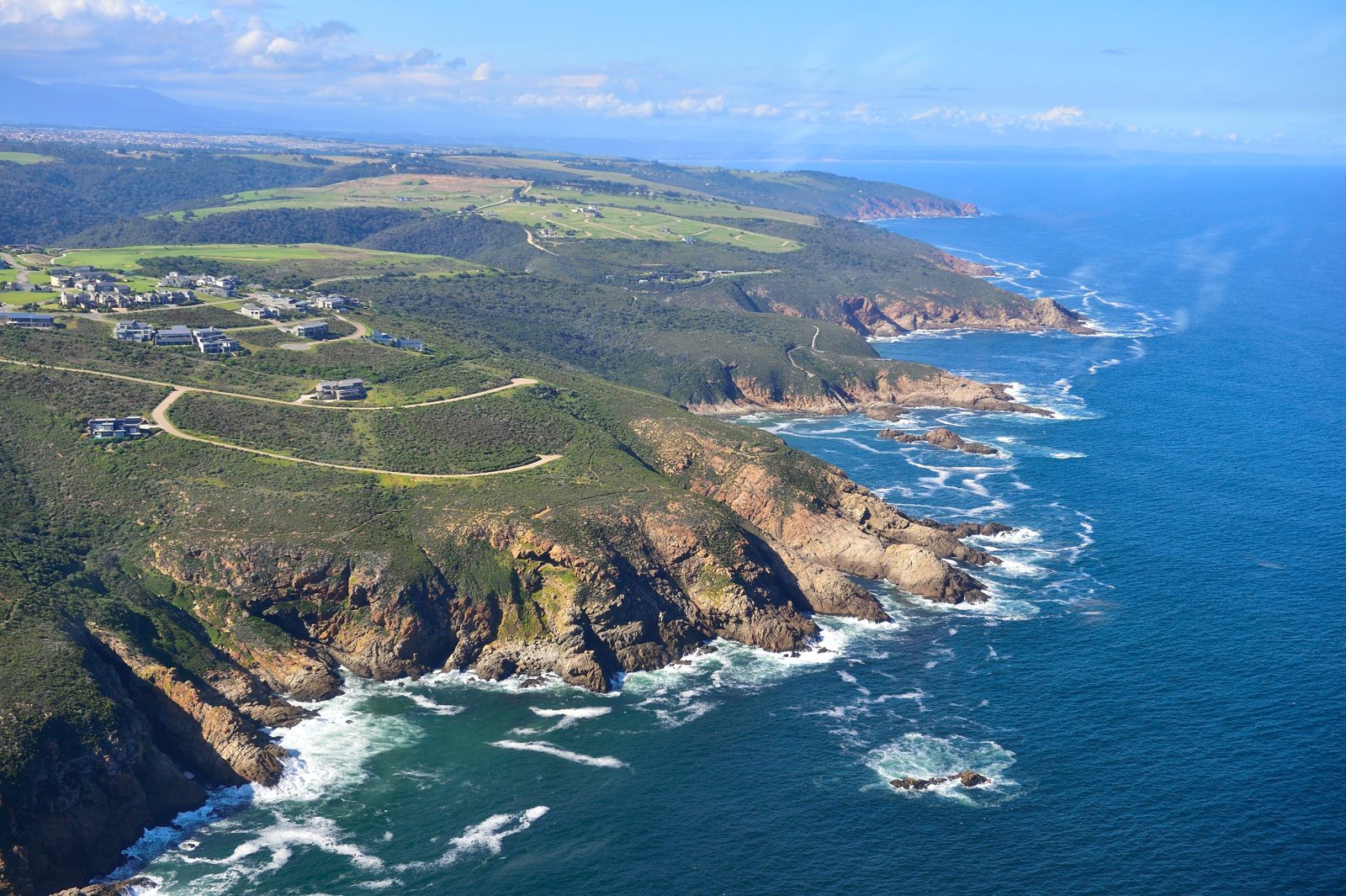
There’s a moment on the Garden Route where the road curves and the Indian Ocean opens up like someone pulled back a curtain. In spring (September to November), that moment hits harder. The fynbos is blooming, the whales are breaching, the beaches are empty, and the air smells like salt and wildflowers. If you’ve driven it in peak summer, you know the crowds. In spring, you get the same road with half the traffic and twice the colour.
The Garden Route stretches roughly 300 kilometres from Mossel Bay to Storms River, hugging the Western and Eastern Cape coastline. It’s not one destination — it’s a chain of coastal towns, forests, lagoons and mountain passes, each with its own personality. Spring is the sweet spot: warm enough for the beach, cool enough for hiking, and alive with seasonal wildlife you won’t see in December.
Where to Start (and Why Direction Matters)
Most travellers drive east to west, starting in Port Elizabeth and ending in Cape Town. There’s a logic to it — you’re driving toward Table Mountain, and the scenery builds to a crescendo. But in spring, consider flipping it. Start in Cape Town. The wildflowers along the N2 from Cape Town to Mossel Bay peak in September and October. By starting west, you catch the flower season at its best before it fades.
Either way, don’t rush it. The biggest mistake people make on the Garden Route is treating it as a transit corridor. It’s not. It’s a 5-to-7 day journey if you do it properly, with at least one full day in each major stop.
The Stops That Matter in Spring
Mossel Bay: Often skipped, but spring is prime shark cage diving season here. The water is calmer, the great whites are active, and if cage diving isn’t your thing, the Dias Museum complex and the Old Post Tree (South Africa’s first “post office”) are worth an hour.
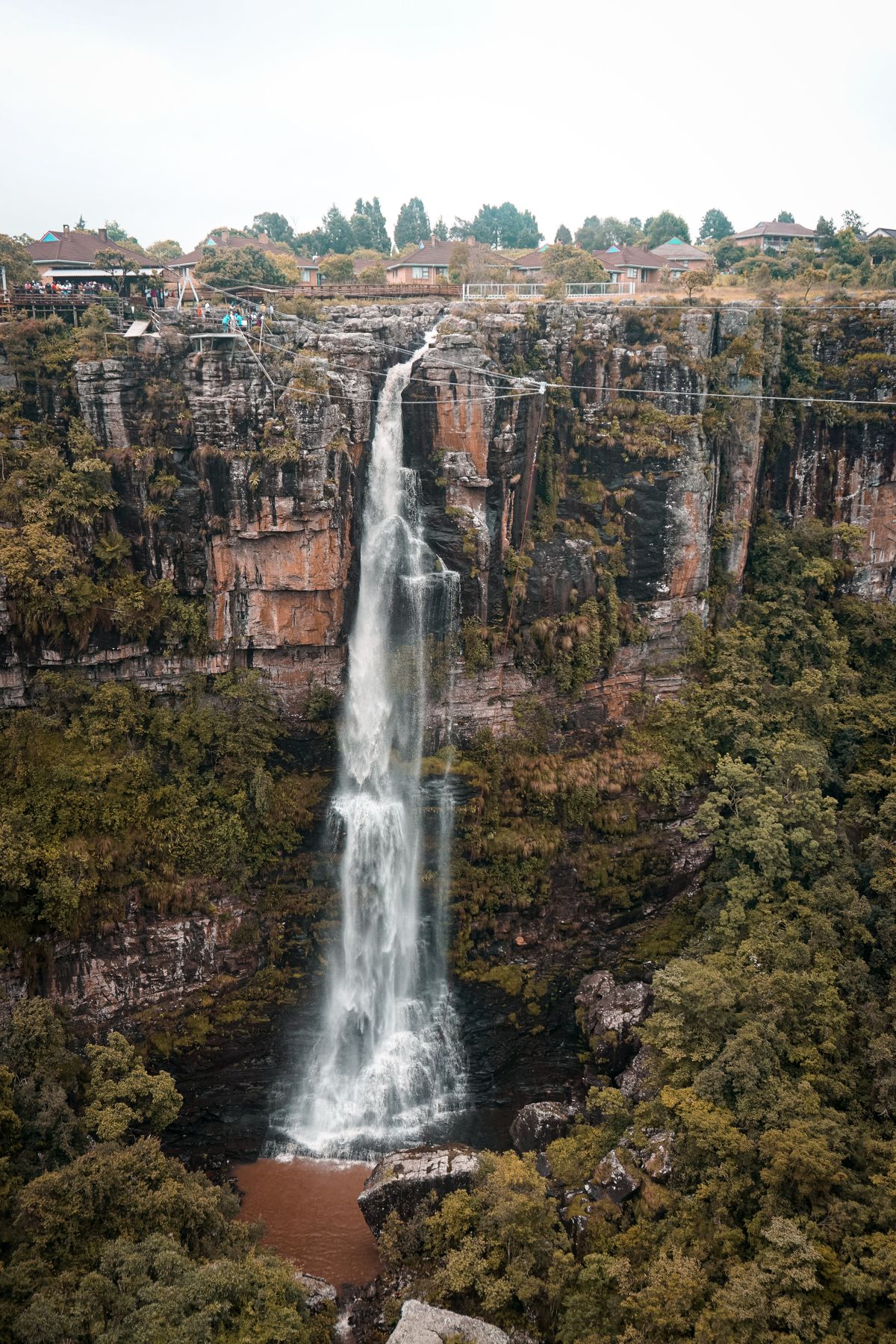
Wilderness: This is where the forest meets the sea. The Wilderness National Park has kayaking routes through the Touw River and Serpentine River that are spectacular in spring — water levels are good, birdlife is active, and the kingfishers are nesting. The Half-Collared Kingfisher Trail is a 7km round trip through indigenous forest to a hidden waterfall.
Knysna: The Heads are the postcard shot, but spring in Knysna is about the forest. The Knysna Forest is part of the Garden Route National Park and contains some of the last remaining Afromontane forest in South Africa. The Elephant Walk trails (three routes ranging from 2km to 8km) take you through towering yellowwood and stinkwood trees. The Knysna elephants may be functionally extinct, but the forest itself is alive — look for the Knysna turaco, a bird so green it looks Photoshopped.
Plettenberg Bay: “Plett” in spring is whale central. Southern right whales come into the bay to calve between July and November, and the Robberg Nature Reserve is one of the best land-based whale watching spots in the country. The 9km Robberg Circuit trail takes you along cliff tops where you can watch whales breaching below. It’s a moderate-to-strenuous hike — take water and allow 4 hours.
Natures Valley: This is the Garden Route’s best-kept secret. A tiny village tucked between the Tsitsikamma mountains and a pristine beach, accessible via a winding road through forest. The Salt River Mouth trail (a 5km round trip) is one of the most beautiful short walks in South Africa — forest, river, lagoon, beach, all in one hike. Almost nobody is there in spring.
Storms River and Tsitsikamma: The Storms River Mouth is where the Garden Route officially ends, and it ends dramatically. The suspension bridge over the river mouth is iconic. The Mouth Trail (2km) is easy and family-friendly. For something more adventurous, the 6km Blue Duiker Trail takes you along the cliff edge with staggering ocean views. Spring water clarity is excellent for snorkelling in the marine protected area.
What Spring Gives You That Summer Doesn’t
Whales: Southern right whales are present from July to November, peaking in September and October. Plettenberg Bay, Knysna and Hermanus (just west of the Garden Route) are the key viewing points. You don’t need a boat — land-based viewing from elevated points is often better.
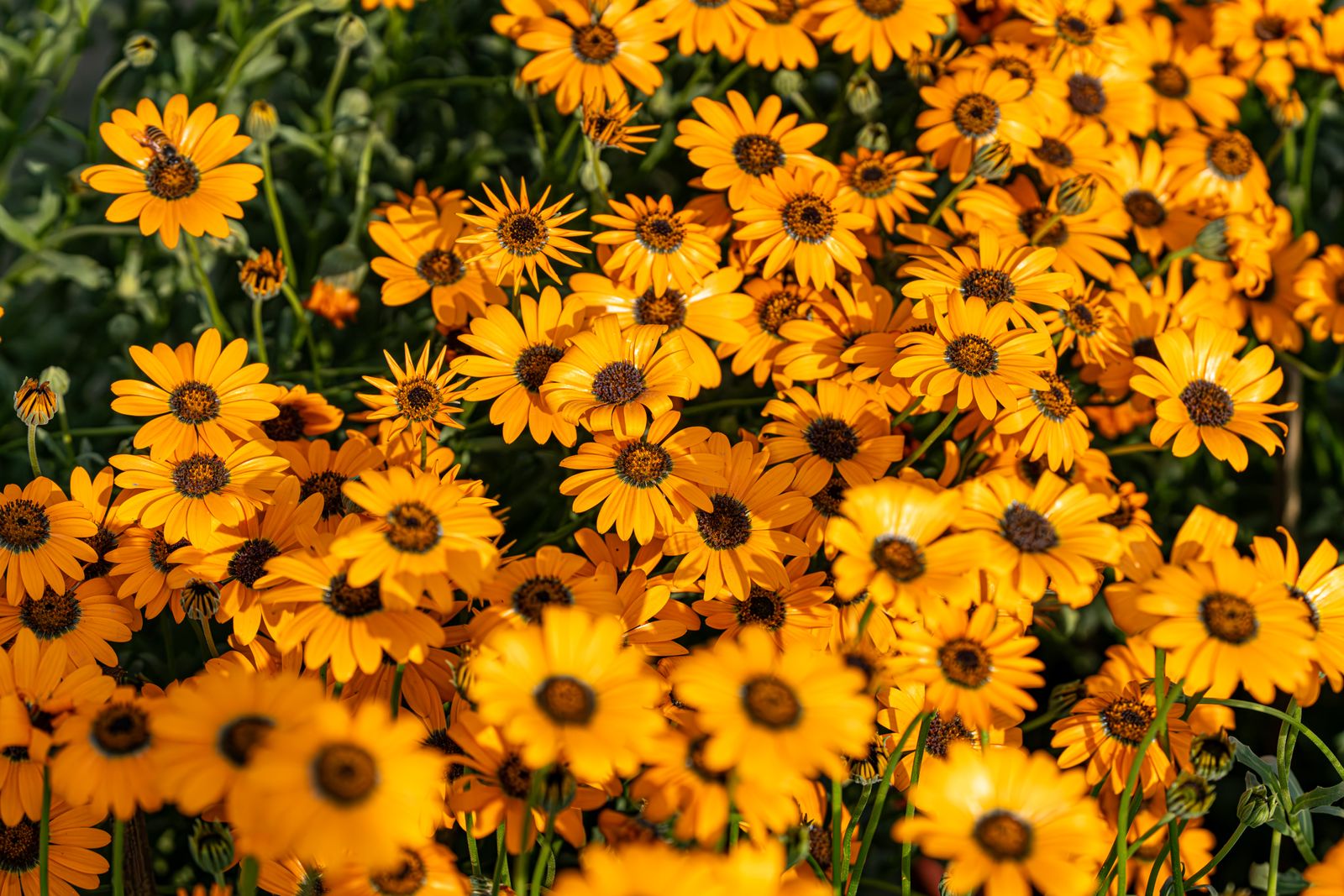
Wildflowers: The fynbos biome flowers in spring, and the Garden Route is fynbos country. Look for proteas, ericas and restios along the roadside. The Grootvadersbosch Nature Reserve (a detour inland from Heidelberg) has some of the richest fynbos and forest diversity on the route.
Fewer crowds: Accommodation is cheaper, restaurants don’t require booking a week ahead, and you’ll have trails to yourself. The trade-off is weather — spring can be unpredictable. Pack layers.
Birdlife: Spring is breeding season. The Garden Route’s mix of forest, wetland and coastal habitats makes it one of South Africa’s best birding regions. Look for African black oystercatchers on the beaches (they’re endangered and nesting in spring — keep your distance), and listen for the haunting call of the Knysna loerie in the forests.
Practical Notes
Driving: The N2 is the main artery, but the best stops require detours onto secondary roads. A standard sedan is fine for the main route, but a higher-clearance vehicle opens up forest roads and viewpoints. Drive in daylight — the roads are winding, and wildlife (especially at dusk) is a real hazard.
Where to stay: Each town has its own character. Wilderness for the forest and river, Knysna for the lagoon and food scene, Plettenberg Bay for beaches and whales, Natures Valley for peace. Don’t base yourself in one place — the whole point is to move.
Budget tip: SANParks (South African National Parks) has rest camps and trails throughout the Garden Route National Park. The Wild Card gives you unlimited access to all SANParks for a year — if you’re doing more than two park entries, it pays for itself.
Time needed: Minimum 5 days. Ideal is 7-10 days if you want to do the hikes properly and explore the inland detours (Grootvadersbosch, the Langkloof fruit route, Baviaanskloof for the adventurous).
The Bottom Line
The Garden Route is South Africa’s most famous road trip for a reason. But most people experience the summer version — crowded, hot, expensive. Spring gives you the same road with better wildlife, better light for photography, wildflowers you won’t see in December, and a pace that lets you actually stop and look. If you’re planning a Southern Africa itinerary and you’re choosing between the Garden Route in October or December, take October. Every time.




The editorial team at Destination Southern Africa brings you the most comprehensive travel intelligence for Southern Africa. With decades of combined experience in African tourism, we cover everything from hidden gems to practical travel tips for international visitors.