

1) Cape Town & the Cape Winelands — the South African boomtown
Why it will boom: strong rebound in overseas arrivals, more long-haul capacity and seasonal route expansions, plus premium leisure and remote-work demand. Cape Town’s marketing and new flight frequencies are pushing visitor numbers up sharply. Tourism Update
Who will travel: luxury couples, wine tourists, digital-nomads, UK/Europe long-haul sun-seekers.
Best months: Southern-hemisphere summer (Nov–Mar) — shoulder seasons (Sep–Nov, Mar–May) attractive for fewer crowds.
Operators should do: expand premium stays, tailor remote-work packages (long-stay co-working + experiences), increase pre-bookable boutique experiences (sunset cruises, private wine tours).
Risk/notes: airport congestion at peak times — advise 2–3 hour airport buffers.
2) Okavango Delta & Moremi (Botswana) — 2026: “visit-now” destination
Why it will boom: record high water levels after exceptional floods have made waterways spectacular; conservation reopening and renewed global safari interest mean 2026 is being touted as a once-in-a-decade viewing year. Demand and early bookings are already spiking. The Okavango Collection+1
Who will travel: high-spend safari clients, photo-safari enthusiasts, repeat safari travellers seeking peak wildlife congregations.
Best months: dry season for game viewing (May–Oct) but 2026’s water spectacle makes the shoulder/wet-transition months extra special.
Operators should do: lock in staff/camp capacity early, add water-based experiences (mokoro, boat), and market limited-availability “2026 peak water” itineraries.
3) Victoria Falls / Livingstone (Zambia) — multi-destination connector
Why it will boom: improved air links (new or expanded Livingstone–Cape Town and Lusaka–Livingstone–Maun services) are making Falls a multi-country hub (easy Cape Town ⇄ Livingstone ⇄ Okavango itineraries). Proflight route expansions are specifically targeting this flow. Proflight Zambia+1
Who will travel: waterfall/luxury-adventure tourists, honeymooners, short-stop travellers combining city + safari.
Best months: May–September (dry = clearer views + river activities).
Operators should do: package multi-country combos (Cape Town + Victoria Falls + Okavango) and coordinate with airlines for timed transfers.
4) Kruger & Private Reserves (South Africa) — safari market upswing
Why it will boom: growing international arrivals and rising interest in private, high-service safari experiences; private reserve developments and investment are increasing inventory and attracting high-spend travellers. Demand for Kruger-area experiences was already high in 2025 and looks set to rise further. South African Lifestyle Magazine+1
Who will travel: families on classic safaris, luxury travellers, domestic staycationers.
Best months: dry season (May–Sept) for classic game viewing.
Operators should do: increase family-friendly and flexible room configurations, invest in health & safety training for walking safaris, and diversify experiences (night drives, cultural visits).
5) Zambia (South Luangwa, Lower Zambezi) — the visa-friendly safari pivot
Why it will boom: major visa liberalisation (visa-waiver expansion effective Jan 1, 2025) has boosted Zambia’s attractiveness; expect spillover growth in 2026 as marketing and routes mature. Zambia Immigration+1
Who will travel: US/Europe middle-to-upper market, adventure-first safari travellers.
Best months: May–Oct (dry season), but river safaris in shoulder months remain attractive.
Operators should do: capitalise on easier entry (market to new source markets), simplify transfers from Livingstone/Lusaka, and highlight visa-free messaging.
6) Mozambique coast (Vilanculos, Bazaruto) — bush-to-beach recovery
Why it will boom: concerted government and private marketing, renewed island lodge investment, and a push for sustainable beach/ecotourism make Mozambique beaches prime for 2026 growth; Vilanculos has been targeted by summits and development plans. Mozambique Travel+1
Who will travel: beach & diving tourists, eco-travelers, bush + beach combo travellers.
Best months: Apr–Nov (drier season) for diving and beach activities.
Operators should do: build bush-to-beach itineraries (e.g., Gorongosa/Maputo + Bazaruto), strengthen sea-safari and reef-conservation messaging.
7) Namibia (Etosha, Skeleton Coast, Northern conservancies) — luxury & off-grid
Why it will boom: a global shift to remote, high-value safari experiences and Namibia’s growth in luxury camps in remote northern regions make it a top niche growth area in 2026 (luxury desert safaris, coastal wildlife). (See broader trend coverage for Africa 2026). Condé Nast Traveler+1
Who will travel: high-end adventure travellers, photographers, small-group expeditions.
Best months: May–Oct (cool, clear).
Operators should do: market immersive, low-impact experiences and partner with regional flights to connect remote lodges.
8) KwaZulu-Natal & Wild Coast (South Africa) — domestic + surf + culture
Why it will boom: domestic tourism remains strong; KZN’s beaches, cultural routes and action sports (surf, kite) plus improved marketing are driving a strong domestic and regional uplift. Cape Town and Kruger may take global headlines — but expect KZN to see strong year-round domestic flows. (Supported by national recovery trends.) South African Lifestyle Magazine
Who will travel: domestic families, regional leisure tourists, adventure sports visitors.
Best months: year-round for surf/temperate climate — peak Dec–Jan.
Quick, practical takeaways for travellers (2026 planning)
- Book early for 2026: Okavango, Victoria Falls and private Kruger camps will fill fast — 12–18 months ahead for peak dates. The Okavango Collection+1
- Look for multi-centre routing discounts: Cape Town ⇄ Livingstone ⇄ Maun routings will become easier; combine city + waterfall + delta. Proflight Zambia+1
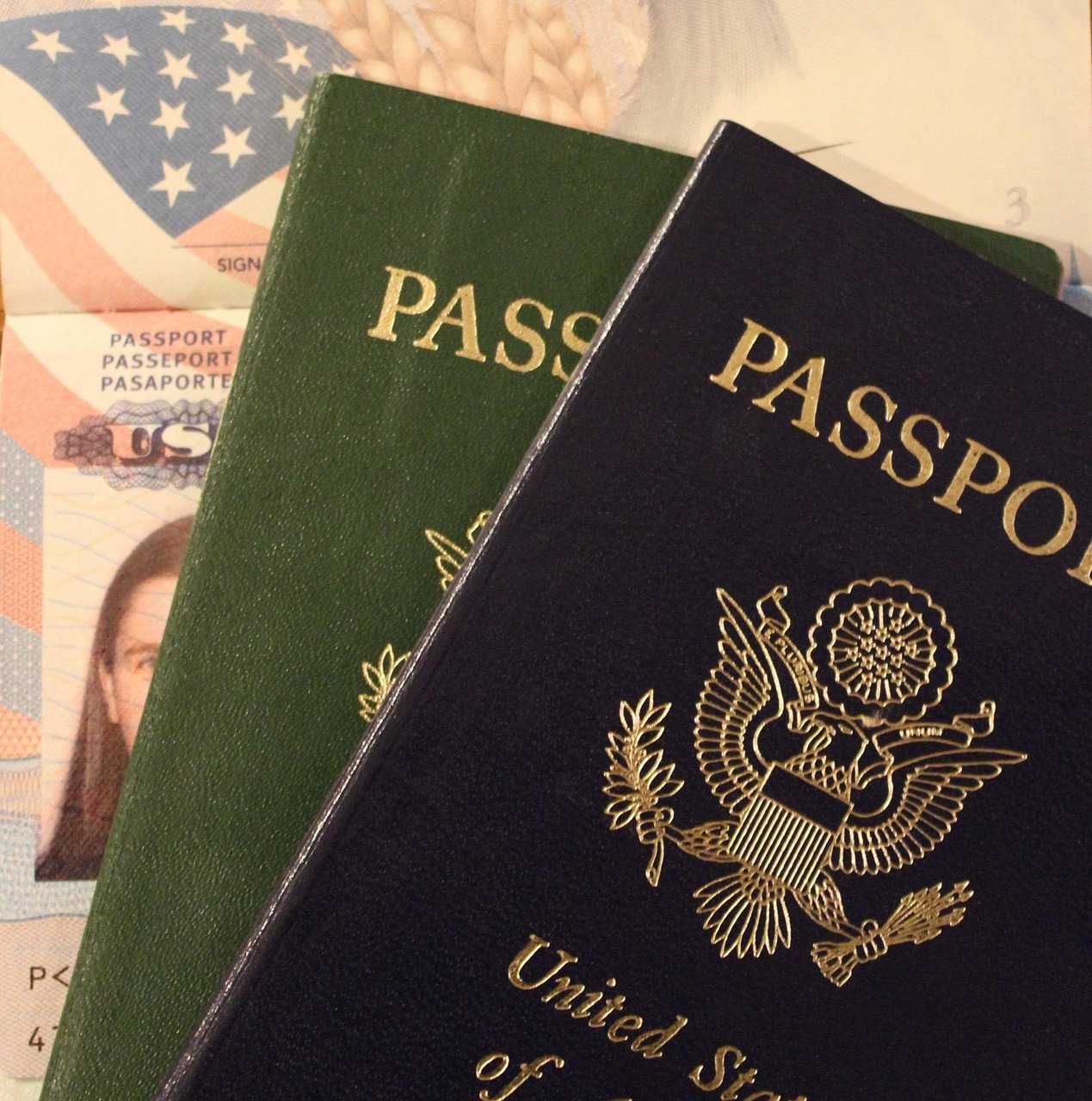
- Use visa liberalisation: if your passport qualifies for Zambia’s waivers, use it — fewer barriers and faster itineraries. Zambia Immigration
- Prioritise insurance & health: outbreaks and sudden changes (localised unrest, border delays) still happen — travel insurance + flexible booking rules matter.
- Sustainability sells: travellers increasingly choose operators with clear conservation and community impact.
Quick, actionable checklist for travel businesses
- Lock capacity — camps and premium rooms for 2026 now; hire/train seasonal staff.
- Create 2026 “peak-water”/“bush-to-beach” promotions — sell scarcity and once-in-a-few-years experiences.
- Collaborate with airlines — align transfers with new Livingstone/Maun routes. Proflight Zambia+1
- Promote visa ease — advertise visa-free/ETA eligibility where relevant (Zambia). Atta Travel
- Upgrade health & safety protocols — especially for walking safaris and cross-border transfers.




The editorial team at Destination Southern Africa brings you the most comprehensive travel intelligence for Southern Africa. With decades of combined experience in African tourism, we cover everything from hidden gems to practical travel tips for international visitors.