
Sossusvlei gets the postcards. The Skeleton Coast gets the documentaries. But ask any Namibian where you should actually spend your safari days, and they will point you northeast, to a place the Hai//om people named the Great White Place: Etosha National Park.
Etosha is not like other parks in Southern Africa, and that is precisely its advantage. At its heart lies a vast salt pan, a ghostly white void visible from space, ringed by grasslands and mopane woodland. Around that emptiness, life concentrates with almost unnatural density at a chain of natural and man-made waterholes. The result is one of the most reliable, most accessible, most rewarding wildlife experiences anywhere on the continent.
A Safari Where the Animals Come to You
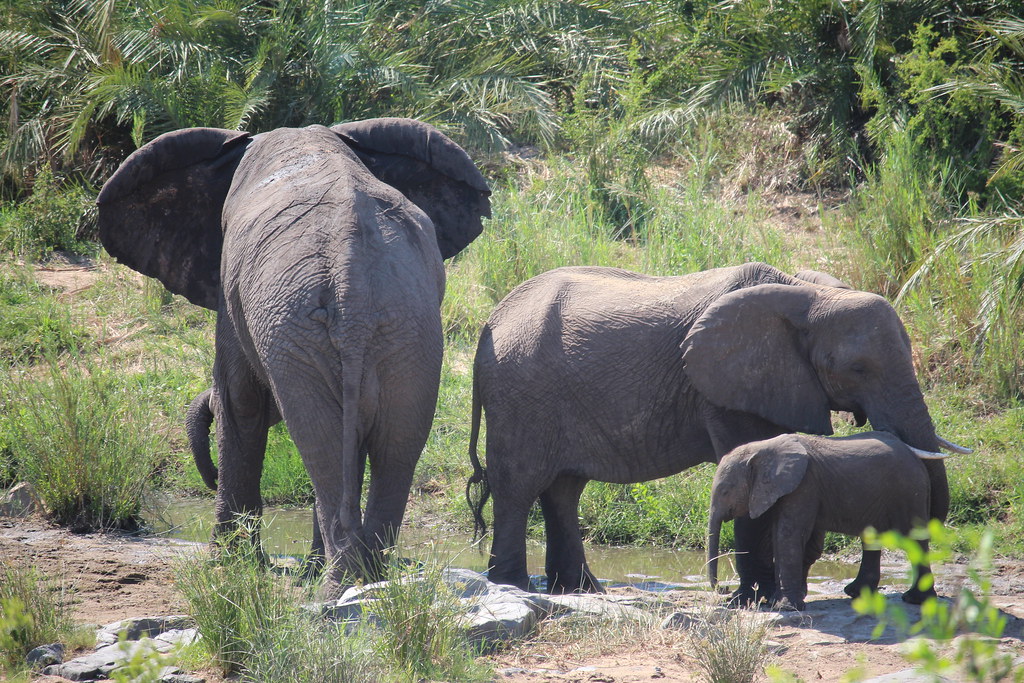
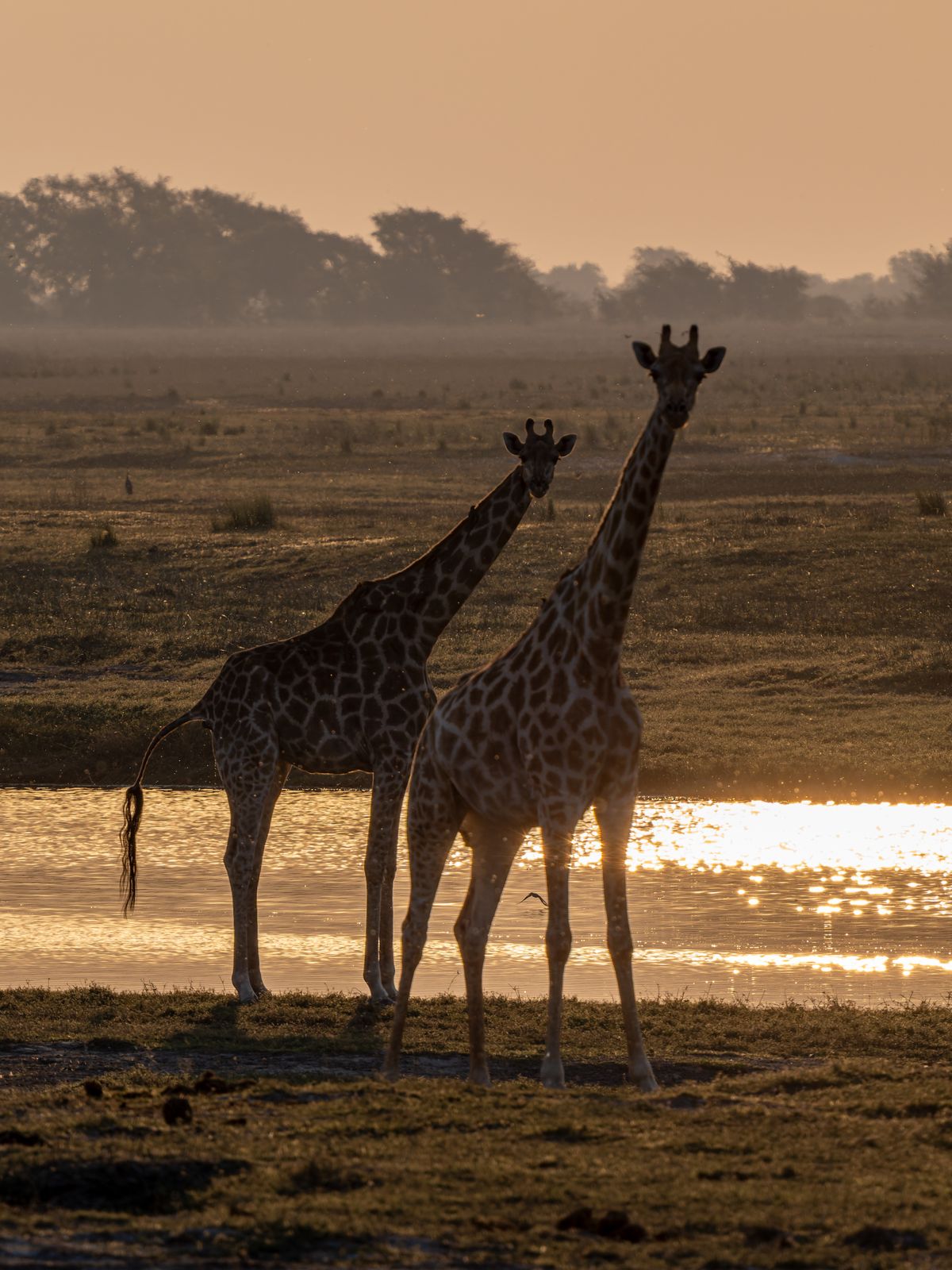
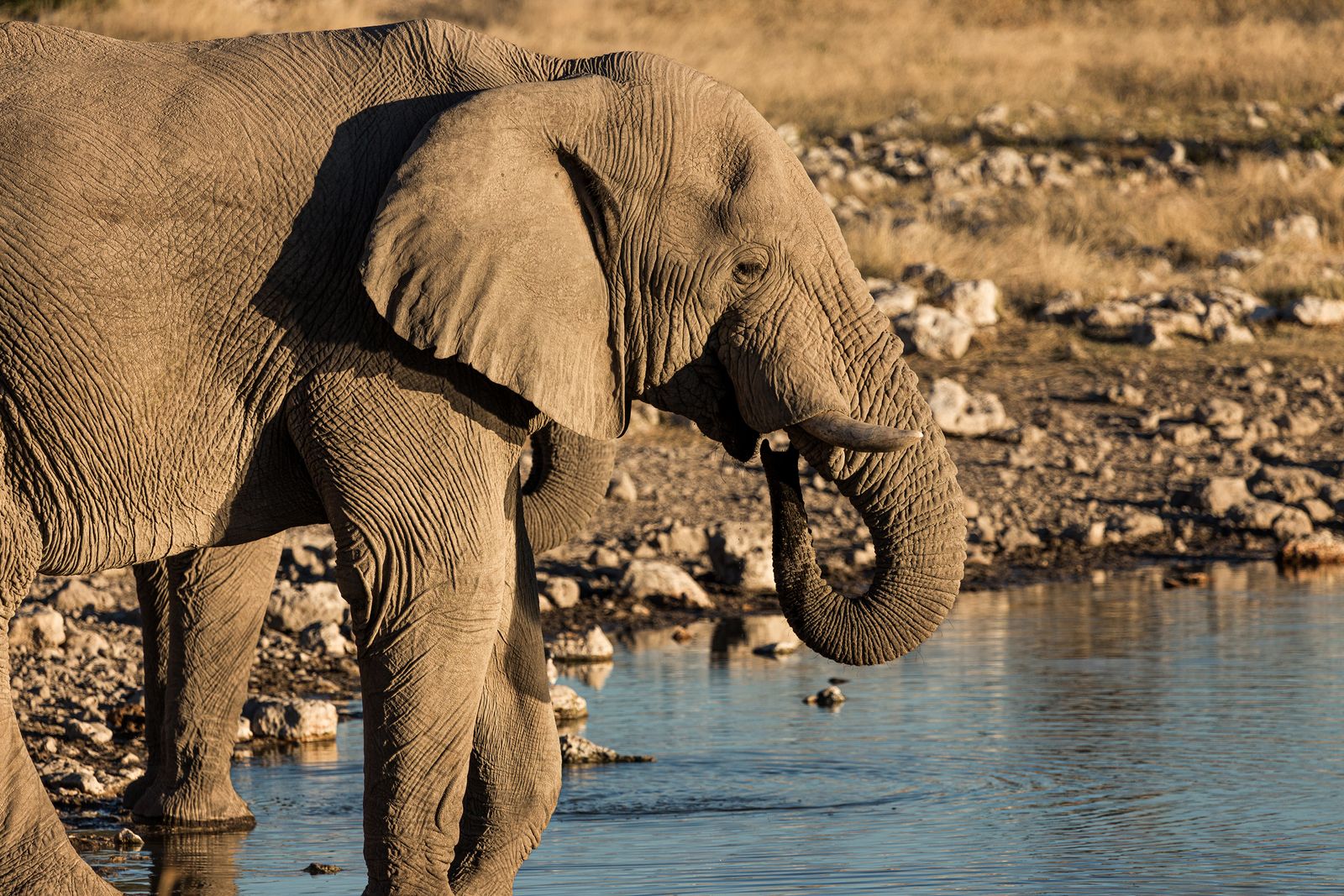
Most safaris involve hours of driving, scanning the bush for a flicker of movement. Etosha flips the formula. In the dry months especially, wildlife must drink daily, and the waterholes become stages. You park, you wait, and the cast arrives: elephant herds splashing in clouds of white dust, zebra arriving in nervous columns, giraffe moving with impossible elegance, and the perpetual tension of lions that have learned that waterholes are also pantries.
The floodlit waterhole at Okaukuejo camp is the stuff of legend. Guests sit on stone terraces at dusk, cold drink in hand, while black rhino, elephant and lion wander in metres away. Many travellers describe an evening there as the single best game-viewing experience of their lives — and they did not leave their camp chair to get it.
The Best Time to Visit
The dry season from May to October is the classic Etosha window. Vegetation thins, water becomes scarce, and animals cluster at the waterholes in numbers that border on the theatrical. Days are warm, nights are cold enough for a jacket, and malaria risk is minimal.
Do not dismiss the green season (December to March) too quickly. The park transforms, the pan can briefly hold shallow water that attracts flamingos in their thousands, and newborn antelope draw predators into the open grasslands. It is hotter, wildlife is more dispersed, and you will work harder for sightings — but photographers and repeat visitors often prefer it precisely because it feels like a different park.
Self-Drive Heaven
Etosha is arguably the easiest major park in Southern Africa for a self-drive safari. The road network is well maintained gravel, distances between camps are manageable, and every rest camp has fuel, a shop and a restaurant. A normal sedan with reasonable ground clearance can do it; a double-cab bakkie simply adds comfort. You do not need a guide, a tracker or a luxury lodge to have a world-class wildlife experience here — that is rare, and it makes Etosha one of the best-value safaris on the continent.
Rules matter, and they are enforced: stay in your vehicle, stick to the roads, keep to camp gate times (typically sunrise to sunset), and never feed or bait animals. The park is a sanctuary first and an attraction second, and it behaves like one.
Where to Stay
Inside the park, the three historic rest camps — Okaukuejo, Halali and Namutoni — sit in a well-spaced chain across the park’s centre, each with its own floodlit waterhole. Halali’s is a short walk from the camp and famously good for leopard and rhino. Book through Namibia Wildlife Resorts well in advance: dry-season campsite and chalet availability is genuinely competitive.
Outside the southern and eastern boundaries, private reserves such as Ongava and Onguma offer lodge luxury, night drives and walking safaris, which are not permitted inside the public park. If your budget allows one splurge, a night at a private reserve adjacent to Etosha gives you activities the park itself cannot.
The Wildlife You Came For
Etosha’s flagship species deliver. This is one of the best places in Africa to see the endangered black rhino, regularly and at close quarters. The park’s elephants are celebrated for their unusually white appearance, dusted in the pale calcite soil. Lions are abundant and visible; the open terrain means you often watch a full hunt play out rather than just its aftermath.
Between the headliners, look for Etosha’s specialists: the endemic black-faced impala, Hartmann’s mountain zebra on the western side, and the enormous herds of springbok and blue wildebeest that keep the predators fed. Birders have their own list, from the world’s heaviest flying bird, the kori bustard, to the seasonal flamingo spectacles on the pan.
Pairing Etosha With the Rest of Namibia
Etosha sits at the northern end of Namibia’s great self-drive circuit. A classic ten-to-fourteen-day route runs Windhoek to Sossusvlei’s dunes, up through Swakopmund’s coastal weirdness, past the rock art of Twyfelfontein, into Etosha, and back. Add the Kaprivi Strip’s rivers if you want elephants and hippos in the same trip as desert.
Practical Notes
- Getting there: roughly four hours’ drive from Windhoek to the Andersson Gate (Okaukuejo side); the Von Lindequist Gate (Namutoni side) is the nearest to the Etosha Heights area.
- Park fees: conservation and entry fees are payable per person and per vehicle — budget for them separately from accommodation, and confirm current rates with the Namibian Ministry of Environment, Forestry and Tourism.
- Malaria: Etosha is low-risk, but northern Namibia is not malaria-free; take advice from your travel clinic before the trip.
- Book ahead: dry-season rest-camp reservations can sell out a year in advance. If you are flexible, travel in November or March and you may have the waterholes nearly to yourself.
Etosha is not a hidden gem — it has been famous for a century. But relative to Kruger’s crowds or the Okavango’s price tag, it remains the most generous safari in Southern Africa: dense wildlife, easy logistics, honest costs and a landscape that looks like nowhere else on Earth. The Great White Place is waiting, and the waterholes are never quiet for long.




The editorial team at Destination Southern Africa brings you the most comprehensive travel intelligence for Southern Africa. With decades of combined experience in African tourism, we cover everything from hidden gems to practical travel tips for international visitors.