
The Safari Everyone Overthinks
Ask a hundred travellers to name the first safari that comes to mind and most will say the same thing: Kruger. And then, almost immediately, they start worrying. Will it be crowded? Is it too big? Do I need a 4×4? Is it too late to book?
Here’s the truth after years of covering Southern Africa’s parks: Kruger is still the best first safari on the continent — if you plan it like a local and not like a tourist in a rush. This guide is for the first-timer who wants the park’s full story without the guesswork.
Why Kruger Works for First-Timers
Kruger is one of the few major African parks where you can genuinely self-drive. The roads are good tar or manageable gravel, signage is clear, and the camps — from rustic campsites to comfortable bungalows — sit inside the park itself. That means you wake up inside the wilderness, not outside a gate in a strip of souvenir shops.
It’s also enormous. The park stretches roughly 360km from north to south, covering nearly two million hectares across the Lowveld. That scale is intimidating on a map, but it’s actually Kruger’s greatest gift: crowds thin fast once you drive past the gates. Most visitors cluster within 30km of the southern gates and the main rest camps. Pick your stretches wisely and you’ll share a leopard sighting with three cars, not thirty.
Choosing Your Region: South, Central or North
The South (Crocodile Bridge to Lower Sabie to Skukuza): The highest density of wildlife in the park, thanks to permanent rivers and sweetveld grazing. If you want the Big Five in your first 48 hours, this is where probability leans your way. The trade-off is traffic — it’s the busiest region, especially in school holidays.
The Central grasslands (Satara to Olifants): Open savannah, exceptional cheetah and lion country, and far fewer vehicles. The scenery is subtler — this is Big Sky country rather than riverine drama — but the game viewing rewards patience.
The North (Letaba to Punda Maria to Pafuri): Kruger’s quiet crown. Fever-tree forests, ancient baobabs, the nyala and eland that barely appear further south, and birding that draws people back year after year. First-timers who skip the north miss the park’s most beautiful landscapes.
The classic first-timer move: two nights in the south, two in the central region. You get the sightings and the space.
When to Go
Dry season (May to September) is prime game viewing. Thinned bush and concentrated waterholes make animals easier to find, and mild winter mornings are perfect for 6 AM gate openings. It’s also peak season — book camps early.
The green season (October to April) transforms the park. Newborn animals everywhere, migrant birds arrive, and afternoon thunderstorms turn the landscape photographic. Game is harder to spot in the thick bush, but the park is quieter, rates drop, and the light is spectacular. If you’ve already seen the dry season, the wet Kruger feels like a different country.
Five Mistakes First-Timers Always Make
1. Racing the park. Travellers try to drive the whole 360km in two days and see the bush at 80km/h. Kruger rewards slowness — pick a 40km loop near camp and drive it at dawn and again at dusk, stopping at every waterhole.
2. Skipping the night drives and walks. Guided sunrise walks and sunset drives from the rest camps go where your car can’t — and they’re cheap. A walking trail with an armed ranger is the single most underrated Kruger experience.
3. Only looking left and right. Leopards nap in trees, eagles own the canopy, and honey badgers own the dark. Look up, look behind you, and spend dawn at a hide like Lake Panic near Skukuza.
4. Ignoring the camps’ gate hours. Camp gates open around sunrise and close on schedule in the evening. Arrive late and you’ll be fined — or fined and eaten. Plan the last hour of every drive backwards from gate closing time.
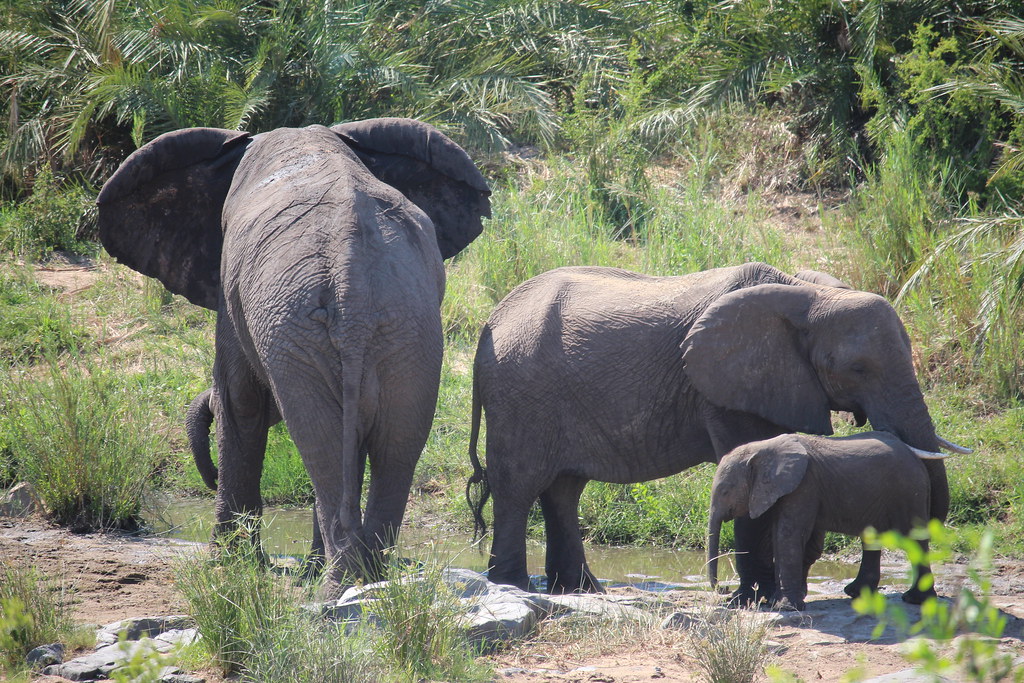
5. Treating it as a theme park. Kruger is a wilderness managed for conservation, not entertainment. That means respect the distances rules, no feeding anything, and patience when a breeding herd of elephant decides your road is their road. The reward is the real thing — unfenced, unscripted, and utterly worth the discipline.
Practical Planning, Sorted
Getting there: Fly into Skukuza for the southern park, Hoedspruit for the central region, or drive from Johannesburg in roughly five to six hours. Self-drive gives you total freedom inside the park.
Staying: Book accommodation through SANParks as early as possible — popular camps like Lower Sabie and Satara fill up months ahead for dry-season weekends. Camping is the budget champion; bungalows add comfort without leaving the park.
Budgeting: Conservation fees are modest for international visitors and locals, and an annual Wild Card pays for itself in a few visits. Your biggest costs will be vehicle hire and camp nights — both far cheaper than any private reserve equivalent.
Safety: Malaria is a low but real risk in Kruger, especially in summer — take prophylaxis advice from a travel clinic seriously, use repellent, and sleep under nets or screens. On the roads, standard driving caution applies; the park’s tar roads suit any sedan.
The Bottom Line
Kruger’s fame sometimes works against it — travellers assume the obvious choice must be the lesser one. It isn’t. Very few places on earth let you wake to lion calls, drive yourself through two million hectares of wilderness, and be back at a floodlit waterhole by sunset with a braai fire going — all without a guide’s itinerary or a luxury lodge’s price tag.
Go once and you’ll understand why South Africans keep going back. Go twice and you’ll start planning the third trip before you’ve left. That’s not marketing. That’s Kruger.




The editorial team at Destination Southern Africa brings you the most comprehensive travel intelligence for Southern Africa. With decades of combined experience in African tourism, we cover everything from hidden gems to practical travel tips for international visitors.