
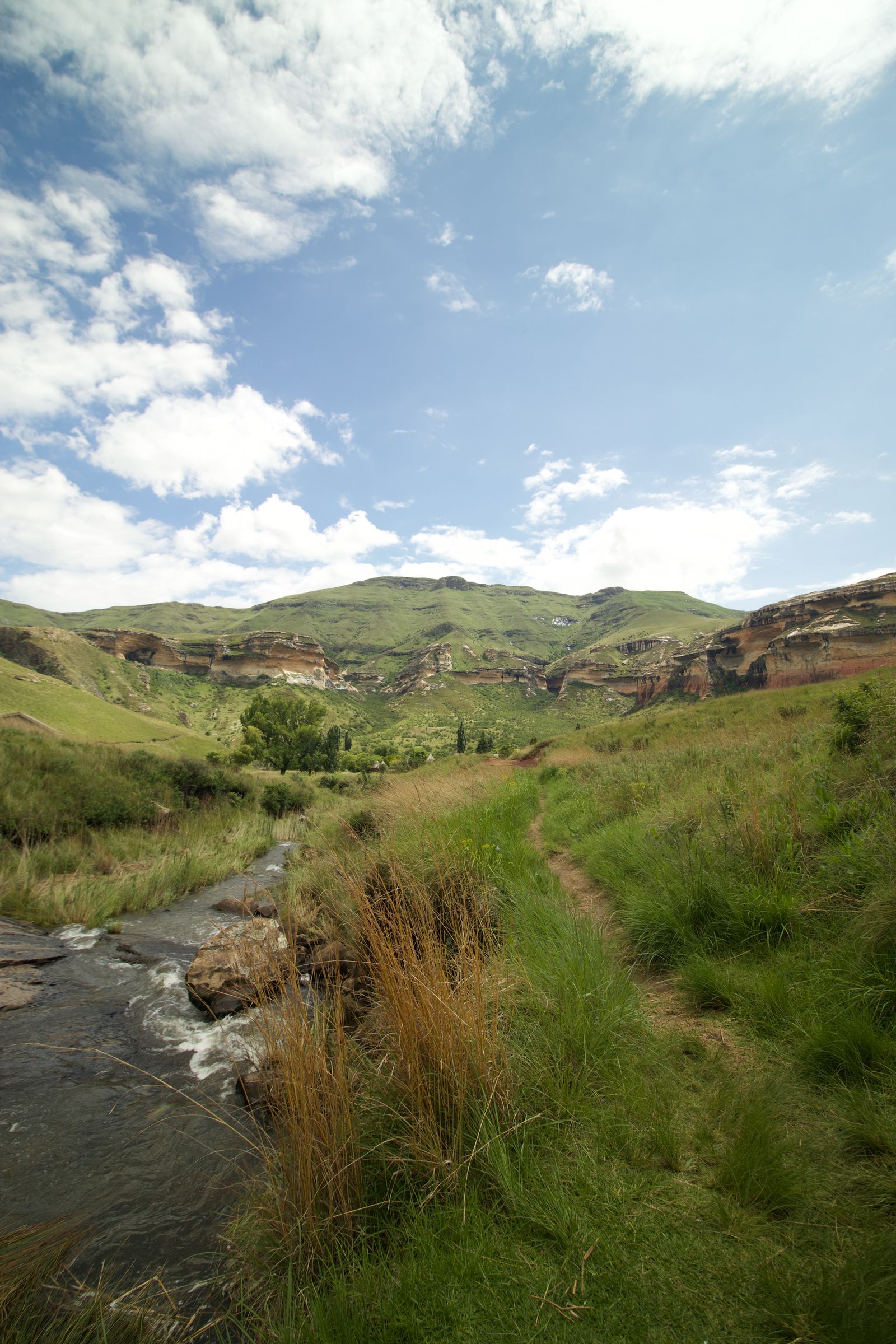
The Drakensberg is spectacular, but a mountain holiday rewards preparation more than spontaneity. Weather can change quickly, trail conditions vary, and a route that looks short on a map may involve steep climbs and exposed ground. The good news is that you do not need to be an expert mountaineer to enjoy the range. You do need to choose a walk that fits your group, prepare honestly, and give the mountains the respect they deserve.
Here is a practical guide to planning safer hikes in the Drakensberg and across Southern Africa.
Choose the route for your least experienced hiker
Start with the least experienced or least fit member of your group, not the strongest. Read current route information from the reserve, park authority or a reputable local operator. Check distance, elevation gain, estimated time, water availability, river crossings and whether the route is clearly marked. A short route with a steep ascent can be more demanding than a longer valley walk.
For a first outing, pick a popular, clearly described day route and leave ambitious passes or remote escarpment hikes for a later trip. If you are unsure, ask a qualified local guide. Conditions and access rules can change, so confirm them close to departure rather than relying on an old blog post.
Weather is part of the route
Mountain weather can turn from sunshine to cloud, wind, rain or lightning with little warning. Check a mountain-specific forecast the evening before and again on the morning. If thunderstorms, severe wind, heavy rain or very poor visibility are forecast, postpone or choose a lower, safer walk. A booked night or a long drive is not a reason to push on in unsafe conditions.
Set a firm turnaround time before you start. If you have not reached a chosen point by then, turn back, even if the summit looks close. Reaching the top is optional; getting everyone down safely is not.
Tell someone where you are going
Sign in where required and leave a clear plan with someone who is not on the hike: your route, party size, vehicle details, expected return time and what they should do if you are overdue. Check in when you finish. On remote routes, consider a registered guide or a suitable emergency communication device. A mobile phone is useful, but coverage is not guaranteed in valleys and mountain terrain.
Know the local emergency number and the relevant reserve or park contact before setting off. Do not assume another hiker will be able to summon help.
Carry the essentials, not just a camera
Wear sturdy footwear that is already broken in, and carry warm layers and rain protection even when the start is sunny. Pack enough water for the route and a little extra, plus food, a basic first-aid kit, a headlamp, sun protection, a map or offline navigation, and a charged phone in a protective bag. For longer or remote hikes, add the equipment and skills appropriate to the route.
Do not treat streams as a guaranteed safe water source. Water can be contaminated upstream; carry sufficient water or use an appropriate treatment method. Keep your pack manageable, but do not leave essential gear behind to save weight.
Move carefully around water, cliffs and livestock
After rain, river levels can rise quickly. Never cross fast, swollen water because the path appears to continue on the other side. Avoid exposed ridges during lightning and keep well away from cliff edges, especially in wind or poor visibility. On narrow paths, give other hikers space and do not rush past people on loose ground.
Southern African trails may pass through working farms or areas with livestock and wildlife. Keep dogs leashed where permitted, close gates, follow local guidance and give animals room. Do not feed wildlife or approach it for photographs.
Leave the mountain better than you found it
Carry out everything you carry in, including food scraps and hygiene waste. Stay on established paths to reduce erosion, avoid picking plants, and keep noise low. Respect cultural and heritage sites, and follow fire rules strictly. A beautiful route is a shared resource, not a disposable backdrop.
A safer hike is a better hike
Good mountain days are built before the first step: a suitable route, a realistic start, current weather information, the right kit and a group willing to turn around. Start modestly, learn how your body responds to altitude and climbing, and build experience over time. The Drakensberg will still be there for the next adventure.
Make the day easier on your group
Agree on a pace that lets the slowest person keep up without feeling hurried, and take regular short breaks before anyone is exhausted. Keep the group together at junctions and make sure everyone knows the turnaround plan. Children need closer supervision near water and steep ground. If someone is injured or unwell, stop and assess the situation rather than pushing on to meet a timetable.
For multi-day hikes, plan overnight stops and food carefully, check whether permits or bookings are required, and understand the route before leaving. Tell the responsible authority if your plans change. Small decisions like an early start, a dry spare layer and a charged headlamp can make a difficult moment much more manageable.




The editorial team at Destination Southern Africa brings you the most comprehensive travel intelligence for Southern Africa. With decades of combined experience in African tourism, we cover everything from hidden gems to practical travel tips for international visitors.