
Why Victoria Falls Still Stops Travellers in Their Tracks
You hear it before you see it. A low, constant rumble that rises from the earth like distant thunder. The Kololo people who lived on its banks called it Mosi-oa-Tunya, “The Smoke That Thunders.” Today, most of the world knows it as Victoria Falls, and it remains the single most powerful wall of falling water on the planet.
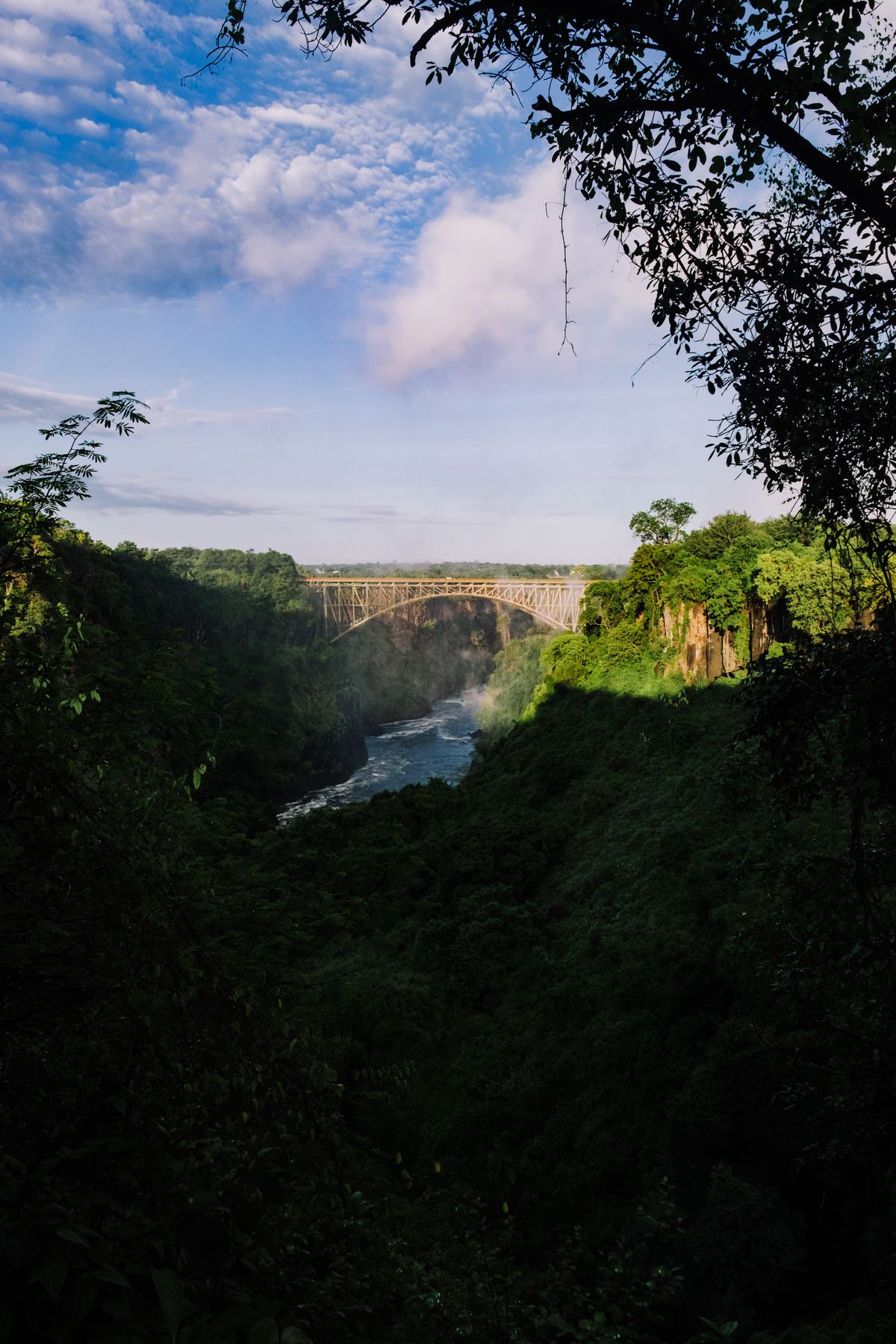
Spanning the full width of the Zambezi River between Zambia and Zimbabwe, the Falls stretch 1,708 metres across and drop 108 metres into a basalt gorge. At peak flood in April, more than 500 million litres of water pour over the lip every minute. The spray rises 400 metres into the air and is visible from 50 kilometres away.
But raw statistics miss the point. Victoria Falls is not a viewpoint you photograph and leave. It is a full-body, multi-sensory experience that soaks you, deafens you, and leaves goosebumps running down your arms. If you are planning a Southern Africa itinerary and wondering whether the detour is worth it, the short answer is yes. The longer answer is below.
When to Go: The Zambezi Has Seasons, and They Matter
The biggest mistake travellers make with Victoria Falls is turning up without understanding the water calendar. The Zambezi is fed by rains in the Angolan highlands, and the river level swings dramatically between February and November.
Peak flood: February to April. The Falls are at their most dramatic. The spray is so thick you can barely see the cliff face, and the Main Falls disappear behind a roaring cloud of mist. You will get soaked in seconds on the Zimbabwe side. Photography is nearly impossible, but the emotional impact is overwhelming. This is the Victoria Falls of postcards and documentaries.
The sweet spot: May to August. Water levels begin dropping, the spray thins enough to reveal the full arc of the Falls, and the weather on both sides is dry and cool. This is when you can actually see what you are hearing, walk the full length of the gorge, and photograph the cascades without your lens fogging. For most travellers, this is the ideal window.
Low water: September to January. The Zambian side nearly dries up, and parts of the cliff face are exposed. It looks less spectacular, but this is when you can swim in the Devil’s Pool (a natural rock pool on the very edge of the Falls), walk across the riverbed on the Zambian side, and raft the Zambezi below the Falls at its wildest. The rafting is only available when the river is low enough to be safe, and September to December is peak white-water season.
Zimbabwe or Zambia: Which Side Should You Visit?
Victoria Falls straddles two countries, and you can walk across the bridge between them in about 20 minutes. Most of the Falls face Zimbabwe, which means the Zimbabwean side offers roughly 75% of the viewing points. The iconic Main Falls, the Devil’s Cataract, and the best rainbow views are all on the Zimbabwe side. If you only have time for one side, this is it.
The Zambian side is quieter and closer to the water. In low season you can walk right to the edge and look down into the gorge. It also gives you access to Livingstone Island and the Devil’s Pool. If you are staying longer and want adventure activities, Livingstone is the better base.
For the full experience, do both. A KAZA visa covers both countries for a single fee and allows unlimited crossing for the duration of your stay.
What to Actually Do There (Beyond Standing and Staring)
The Falls themselves need half a day to walk properly, but the surrounding area can easily fill three or four days. Here is what should be on your list:
Walk the Rain Forest Trail (Zimbabwe side). The constant spray has created a rainforest ecosystem along the cliff edge, complete with ferns, orchids, and monkeys. You will walk behind curtains of mist and feel the full power of the water. Bring a waterproof jacket and protect your phone.
Visit at sunrise and sunset. The rainbows move with the light. At dawn, you may have the Falls almost to yourself. At sunset, the spray catches gold and orange light, and on a full moon during peak season, you can see a moonbow, a lunar rainbow formed in the mist.
White-water raft the Zambezi. The stretch of river below the Falls is one of the best commercial rafting runs in the world. Grade 5 rapids, towering canyon walls, and water so warm you barely mind falling in. Book with a licensed operator and do not skip it if you have the nerve.
Take a microlight flight. A 15-minute flight over the Falls in an open-cockpit microlight gives you the perspective no ground viewpoint can match. You see the full arc, the gorges snaking downstream, and wildlife in the national park on either side.
Devil’s Pool (seasonal). Between September and January, when the water is low enough to be safe, guides take small groups to a natural rock pool perched on the very edge of the Falls. You can lean over the lip and look down into the gorge. It is terrifying and unforgettable. Book well in advance.
Practical Advice for 2026 Travellers
Visas. The KAZA Kavango Zambezi visa allows entry to both Zambia and Zimbabwe for up to 30 days and is available on arrival for most nationalities. Check current requirements before you travel, as they change.
Getting there. Fly into Victoria Falls Airport (VFA) on the Zimbabwe side or Harry Mwanga Nkumbula International Airport (LVI) in Livingstone on the Zambian side. Both are short flights from Johannesburg. If you are combining the Falls with a safari in Chobe or Hwange, overland transfers are straightforward.
How long. Two nights minimum. Three is better. Four if you want to do everything without rushing.
Money. Both sides accept US dollars widely. Carry small notes for tips, park entry fees, and local vendors.
Health. Victoria Falls town sits in a low-risk malaria zone. The river areas are higher risk. Take prophylaxis, use repellent, and cover up at dawn and dusk.
Why It Still Matters
Victoria Falls was one of the first sites to be designated a UNESCO World Heritage Site, and for good reason. It is not just a waterfall; it is a geological event, a cultural landmark, and a living ecosystem that has shaped the identity of both nations it divides.
In an era where so many travel “icons” turn out to be smaller or more crowded than their reputation suggests, Victoria Falls does the opposite. It is bigger, louder, and more visceral than any photo can convey. You do not merely see it. You stand inside it.
If you are building a Southern Africa itinerary and you have room for only one detour, make it this one. The Smoke That Thunders is still thundering, and it is waiting for you.




The editorial team at Destination Southern Africa brings you the most comprehensive travel intelligence for Southern Africa. With decades of combined experience in African tourism, we cover everything from hidden gems to practical travel tips for international visitors.