
Why the Kalahari Rewards Travellers Who Look Harder
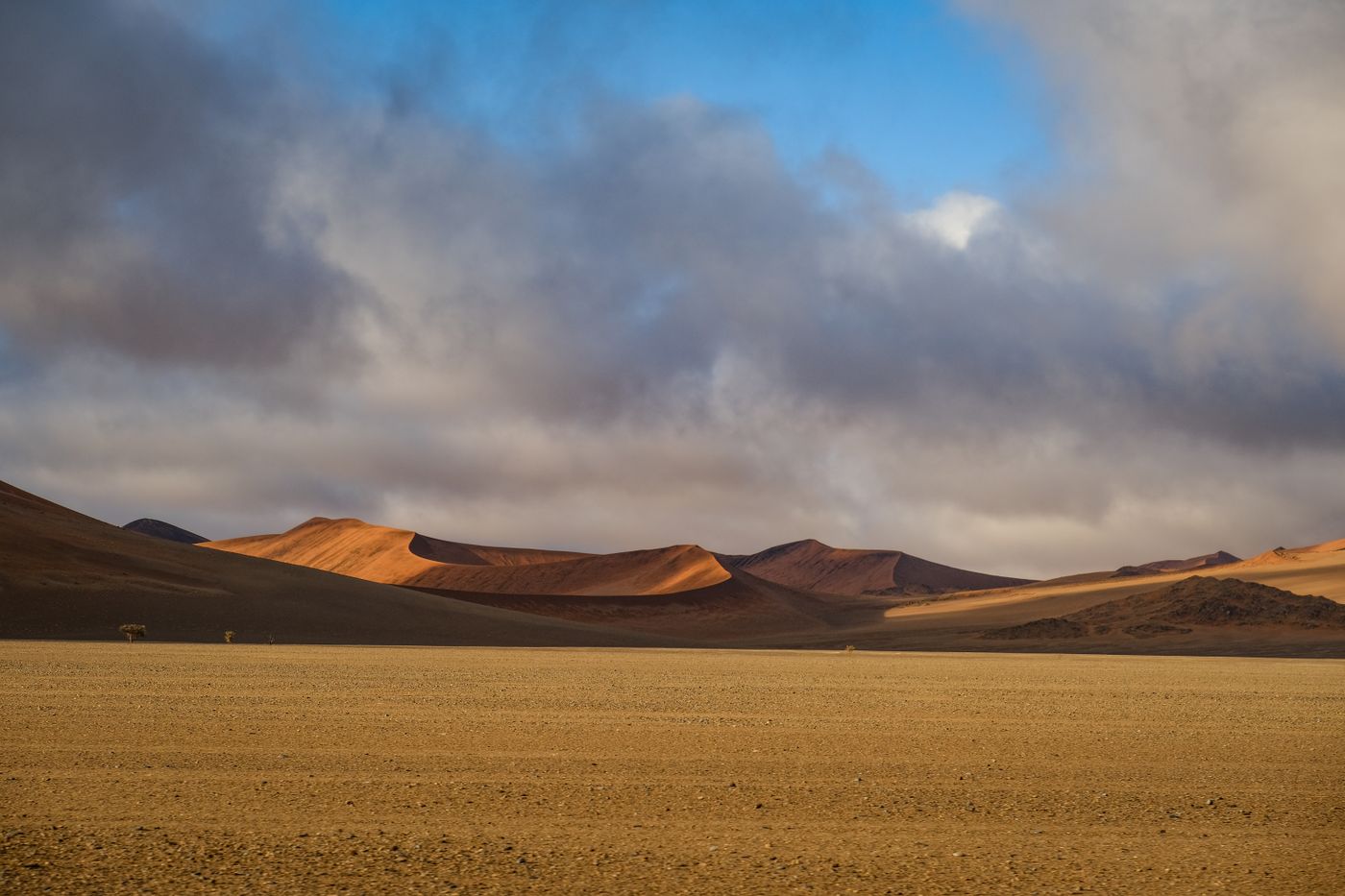
Most Southern Africa itineraries are built around one thing: density. Travellers want to see as many animals as possible, as quickly as possible, and the bushveld parks of the north-east deliver exactly that. But there is another kind of safari — slower, quieter, and in the opinion of many repeat visitors, far more rewarding. The Kgalagadi Transfrontier Park sprawls across nearly 3.8 million hectares of red Kalahari dunes, shared between South Africa’s Northern Cape and Botswana. It is one of the largest protected wilderness areas on the continent, and it behaves differently from every park you have visited before.
Here, game drives follow the fossilised riverbeds of the Nossob and the Auob — ancient rivers that may flow once a decade. The wildlife knows this. So do the predators, which is precisely why the Kgalagadi has earned a reputation as the finest big-cat park in Southern Africa.
The Predator Park That Keeps Its Promises
The Kgalagadi’s lions are famous: black-maned, desert-adapted, and often sprawled in the middle of the riverbed roads with the casual confidence of animals who own the place. Cheetahs are seen here more reliably than almost anywhere else on the subcontinent, because the open riverbeds give them room to hunt and give you an unobstructed view when they do. Leopards are less predictable but regularly spotted resting in the camelthorn trees that line the waterholes.
What makes these sightings special is the setting. Watching a gemsbok (oryx) herd cross a blood-red dune ridge at last light, with a dust devil spinning on the horizon, is an image that stays with you long after the memory of a crowded waterhole queue has faded. The supporting cast is superb: springbok in their thousands, Burchell’s zebra, blue wildebeest, stately eland, and the meerkats (suricates) that stand sentinel at their burrows along the roadside.
Planning Your Visit: Gates, Routes and Camps
Getting there: The park’s main entrance, Twee Rivieren, lies roughly 250 km south-west of Upington — the closest airport with scheduled services — via the town of Askham on the R360. The drive from Upington takes about three hours on good tar, but fuel and supplies are limited, so fill up before you leave.
Inside the park: The main tourist routes run north along the two riverbeds. The eastern Nossob riverbed leads to Nossob Camp and onward toward Botswana, while the western Auob riverbed passes Mata-Mata and a chain of smaller camps: Twee Rivieren, Bitterpan, Grootkolk, Gharagab and Kieliekrank among them. The camps are small, deliberately. Bookings open well in advance, especially for the wilderness camps, which offer waterholes that are often visited by lions after dark. Book SANParks accommodation or campsites as early as your dates allow.
Vehicle: The main riverbed roads are accessible to ordinary sedans in dry conditions, but the park is at its best on the linking 4×4 routes, and a high-clearance vehicle gives you freedom when the wind reshapes the sand. If you are self-driving, carry extra water, a spare tyre (or two), and never test the distance between camps against your fuel gauge.
When to Go
Winter (May to August) brings mild, clear days and freezing nights, and it is peak season for good reason. But connoisseurs argue for summer: from November to February the heat drives game to the waterholes, the predators follow, and the wildlife viewing is explosive. Migrant birds arrive, afternoon thunderstorms wash the dunes, and photography in the low light of a dusty Kalahari afternoon is exceptional. Malaria risk in the Kgalagadi is considered very low, though standard precautions are always sensible advice for any Kalahari trip.
Rules of the Desert
The Kgalagadi polices itself. Respect the essentials and it will reward you generously:
1. Patience is the skill. This is not a checklist park. Spend a long morning at a productive waterhole rather than racing between points.
2. Camp gates open and close with the sun. Distances are vast, and driving after dark is prohibited. Plan each day around the gate times posted at reception.
3. Water is life — for you too. Carry far more drinking water than feels reasonable, especially in summer.
4. Book the hides. Some camps and waterholes have night hides or floodlit viewing points. They are worth restructuring your itinerary around.
Why It Belongs on Your Southern Africa Itinerary
The Kgalagadi is the park we recommend to travellers who have already done a classic Kruger safari and want to feel genuinely far from everything. It pairs beautifully with the Augrabies Falls National Park on the Orange River, making a superb ten-day Northern Cape loop: red dunes, black-maned lions, thundering falls and South Africa’s longest river, all in one of the least crowded corners of the subcontinent.
Southern Africa’s greatest experiences are not always the ones on the postcards. Sometimes they are at the end of a corrugated road in the Kalahari, with lions calling in the dark and a sky so full of stars it looks close enough to touch. The Kgalagadi is that place — and once you have been, you will understand why so many visitors quietly plan their return before they have even left.




The editorial team at Destination Southern Africa brings you the most comprehensive travel intelligence for Southern Africa. With decades of combined experience in African tourism, we cover everything from hidden gems to practical travel tips for international visitors.