
The Park That Has Everything
Ask ten international travellers to name a South African park and all ten will say Kruger. Fair enough. But the country’s first UNESCO World Heritage Site is not Kruger. It is a 220-kilometre stretch of KwaZulu-Natal coastline where hippos, leatherback turtles, whales, elephants and reef fish share a single protected corridor — and most first-time visitors to Southern Africa drive straight past it.
iSimangaliso Wetland Park stretches from St Lucia in the south to the Mozambique border at Kosi Bay in the north. In one day you can cruise an estuary crowded with crocodiles, snorkel a coral reef, watch turtles nest on a deserted beach and fall asleep to the sound of hippos grazing on the lawn of your lodge. There is nothing else like it on the continent.
Why It Belongs on Every First-Timer’s Itinerary
Most Southern Africa itineraries are built around a single question: which safari? iSimangaliso answers a different one — what if you did not have to choose? The park packs eight interlinking ecosystems into one destination: grasslands, mangroves, swamp forests, dune forests, lakes, estuaries, coral reefs and savannah. For travellers who worry that a safari means five days of sitting in a vehicle, this is the antidote.
It is also remarkably practical. The park sits under three hours from Durban’s King Shaka International Airport on a well-maintained road, which makes it one of the easiest World Heritage Sites in Africa to reach. Malaria risk in the area is low, and the range of accommodation runs from campsites to luxury lodges. It suits families, honeymooners, solo travellers and, increasingly, agents assembling self-drive routes between Kruger and Eswatini.
The St Lucia Estuary: Hippos, Crocs and Sundowner Cruises
The gateway town of St Lucia sits on the edge of one of the densest hippo populations in South Africa. Take the two-hour sunset cruise on the lake and you will lose count of hippo pods before the boat turns around. Time it for golden hour: the light on the water, the fish eagles overhead and the grunting of hundreds of hippos is one of the signature experiences of a first-time Africa trip.
Back in town, keep an eye on your surrounds. St Lucia is one of the few places in the world where hippos wander the streets at night. It is not a marketing gimmick; it is the reason locals will tell you not to walk around after dark.
Sodwana Bay and the Turtle Coast
The diving at Sodwana Bay regularly ranks among the best in the world — and unlike the more famous reef destinations, you will rarely queue for a dive site. The reefs sit inside iSimangaliso’s protected marine reserve, teeming with resident reef fish, turtles and migrating ragged-tooth sharks in summer.
North of Sodwana, the beaches at Bhanga Nek and Kosi Bay are where leatherback and loggerhead turtles come ashore to nest between November and February. Night turtle tours, guide-only, are one of Southern Africa’s most extraordinary wildlife encounters: a leatherback can be over two metres long, and she hauls herself up the same beach where she herself hatched decades ago.
Kosi Bay and the Ancient Fish Traps
At the park’s northern tip, Kosi Bay’s clear turquoise lakes hide something you will find nowhere else: a centuries-old system of wooden fish traps, woven by generations of local Tsonga fishers, that guide fish into reed enclosures with the tide. Book a local guide and spend the day drifting between the traps, mangroves and palm forests by canoe. It is culture, conservation and slow travel in a single afternoon.
The Big Five Next Door
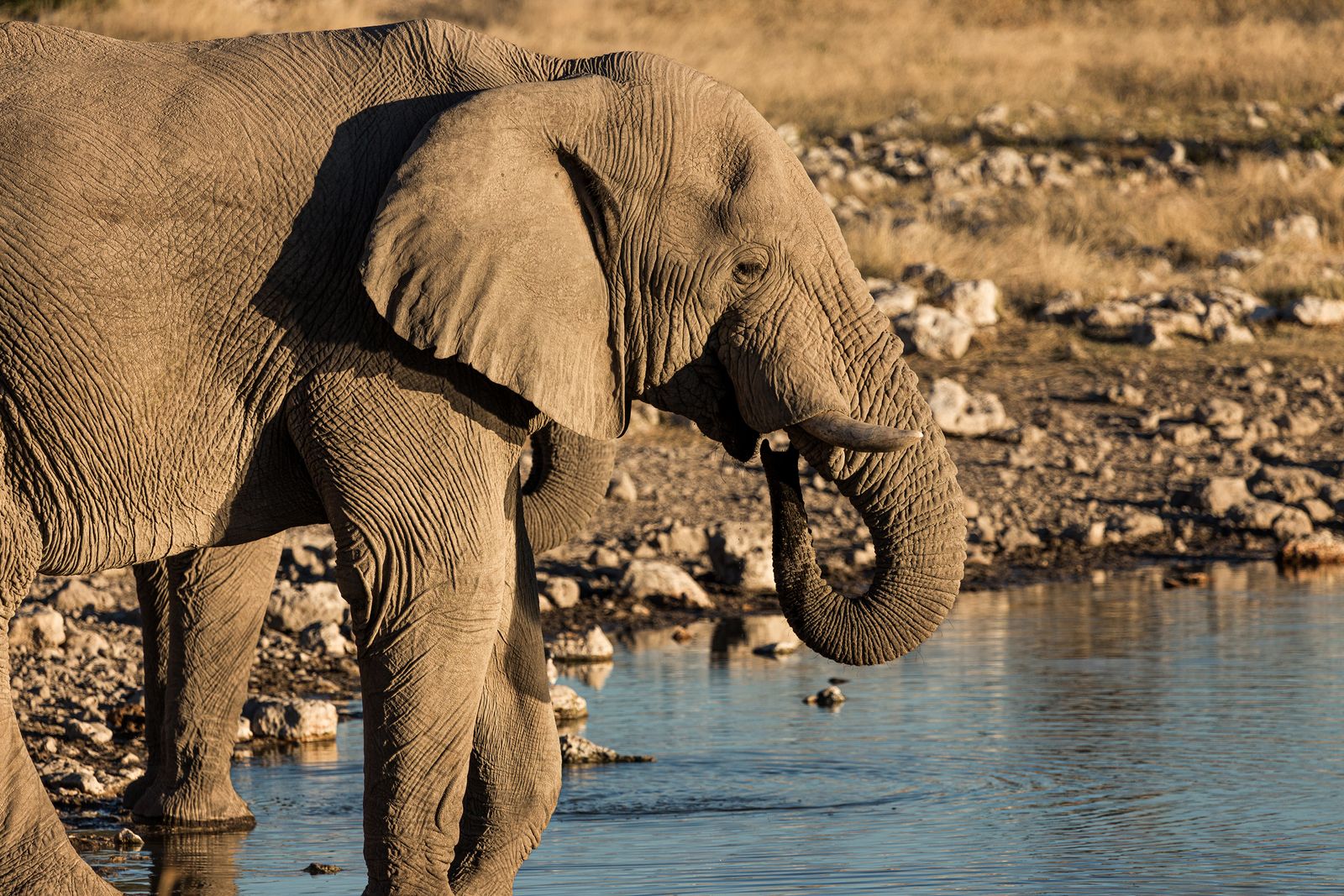
Birds and turtles aside, safari-first travellers will ask where the elephants come in. uMkhuze, one of the park’s sections, is home to lion, leopard, elephant, buffalo and white rhino, and offers some of the best hide-based game and bird watching in the country. Hluhluwe-iMfolozi Park, Africa’s oldest proclaimed game reserve and the park that helped save the white rhino from extinction, sits less than an hour west of St Lucia. Multi-day itineraries that pair Hluhluwe-iMfolozi’s game drives with St Lucia’s marine experiences are now among the strongest-value safari products on the coast.
Cape Vidal and the Dunes
The drive from St Lucia to Cape Vidal climbs through the park’s forested dunes, among the tallest vegetated dunes in the world, before depositing you on a beach where a protected reef sits a short swim away. Further north, Lake Sibaya, South Africa’s largest natural freshwater lake, rewards visitors with hippo sightings and spectacular birdlife along its pristine dune-forest shoreline, best explored on guided walks and boat excursions with licensed operators.
When to Go
May to September brings the dry season, the best game viewing and comfortable daytime temperatures. October to March is the season for turtles (nesting peaks November to February), warm water and excellent diving, while humpback whales pass along this coast from June to November. December and January are busy with domestic holidaymakers; April-May and September-October are where smart agents place their groups.
The Takeaway
iSimangaliso is not a stop on the way to Kruger. It is the destination that rounds out a Southern Africa itinerary: ocean plus estuary plus savannah; diving plus turtle tracking plus sundowner cruises; a World Heritage Site a family can experience in three days without a single internal flight.
It remains one of the most complete stretches of coastline in Africa that international travellers are still discovering. Add it to the itinerary before they do.




The editorial team at Destination Southern Africa brings you the most comprehensive travel intelligence for Southern Africa. With decades of combined experience in African tourism, we cover everything from hidden gems to practical travel tips for international visitors.