
Why Mozambique Rewards the Slow Traveller
Most visitors arrive in Mozambique with a plan: fly into Maputo, drive to Tofo, maybe hop over to Vilanculos for a dhow safari, and fly out. Five days, four nights, done.
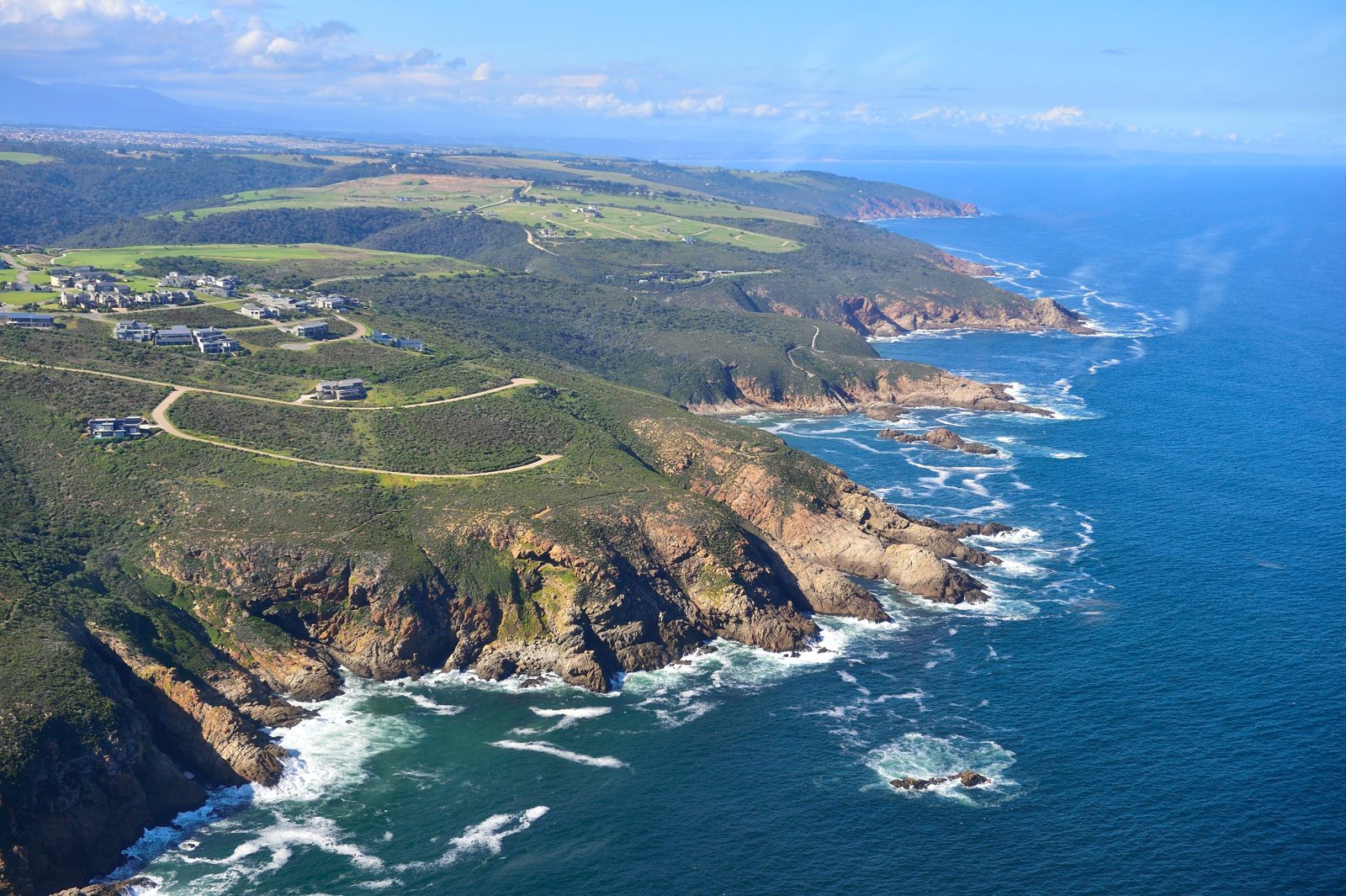
But Mozambique doesn’t reward speed. Its coastline stretches over 2,400 kilometres — longer than the entire eastern seaboard of South Africa. The real Mozambique reveals itself when you stop treating it as a beach destination and start travelling it as a living coastline.
Choosing Your Coastal Region
The South (Maputo to Ponta do Ouro): Closest to South Africa, ideal for a first visit. Ponta do Ouro offers diving with dolphins, while Maputo’s mercados and colonial architecture give you cultural context before heading north.
The Inhambane Province (Tofo, Barra, Tofinho): The heart of Mozambican coastal life. Tofo is a backpacker hub with whale shark snorkelling, but Barra and Tofinho offer quieter stays with local fishing communities still practising traditional net fishing.
Vilanculos and the Bazaruto Archipelago: The postcard Mozambique — dhow safaris, turquoise waters, five islands protected as a national park. But Vilanculos itself is worth a few days: the market, the dhow builders, the sunset over the archipelago.
The North (Ilha de Mozambique, Nampula, Pemba): For travellers who’ve already done the south. Ilha de Mozambique is a UNESCO World Heritage Site — a tiny island where Portuguese, Arab, Indian and Swahili histories layer over each other. This is where Mozambique stops being a beach holiday and becomes a historical pilgrimage.
Marine Experiences Worth Planning Around
Mozambique’s coastline sits on one of the most productive marine corridors in the Western Indian Ocean. What you can experience depends on timing:
Whale sharks (Tofo, October to April): The largest fish in the ocean congregates here year-round but peaks in the warmer months. Local operators offer snorkelling trips — not cage diving, not feeding, just you in the water with a creature the size of a bus.
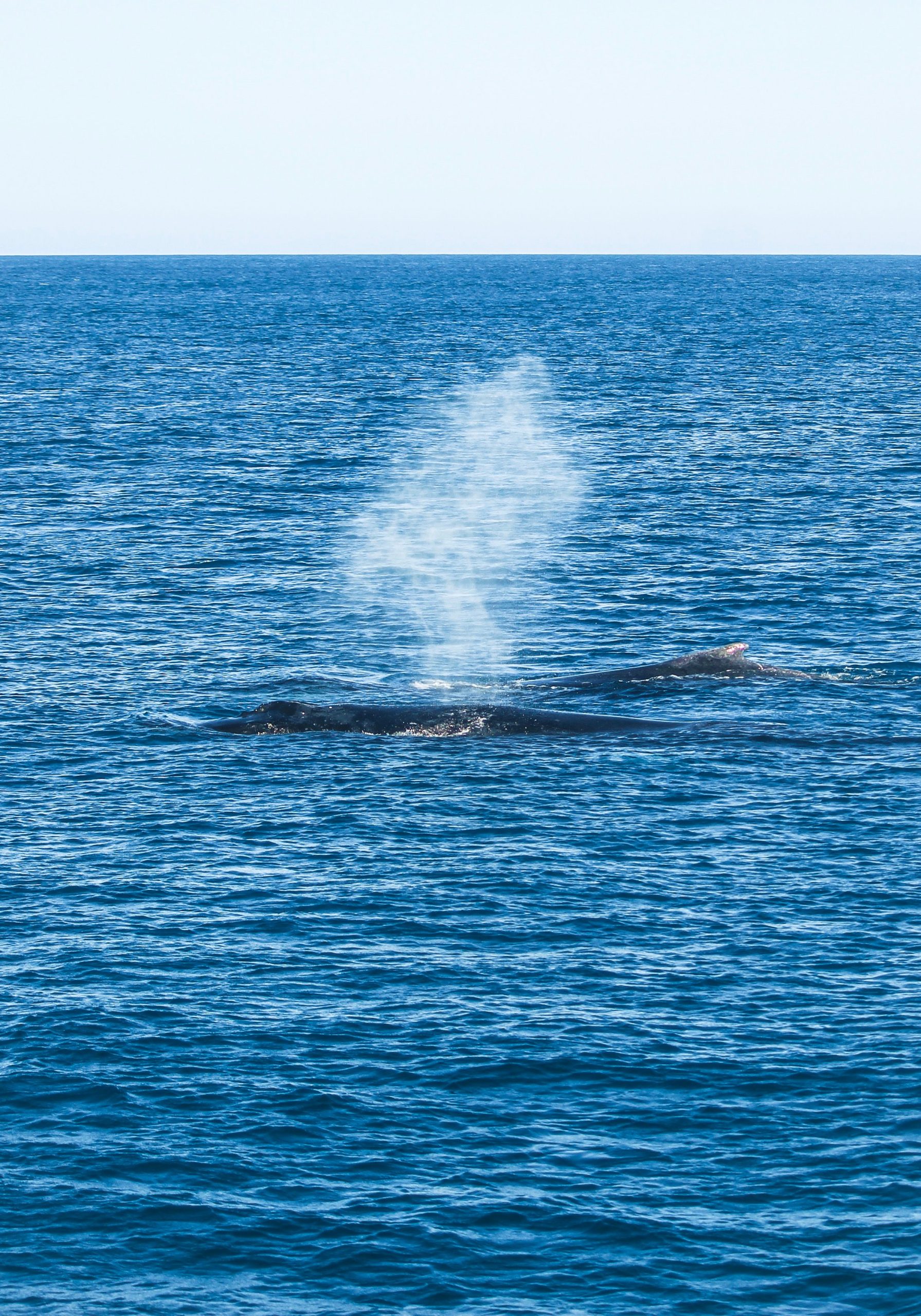
Humpback whales (entire coast, July to November): They migrate from Antarctica to breed in Mozambique’s warm waters. You don’t need a tour — from Vilanculos to Ponta, you can often see them breaching from shore.
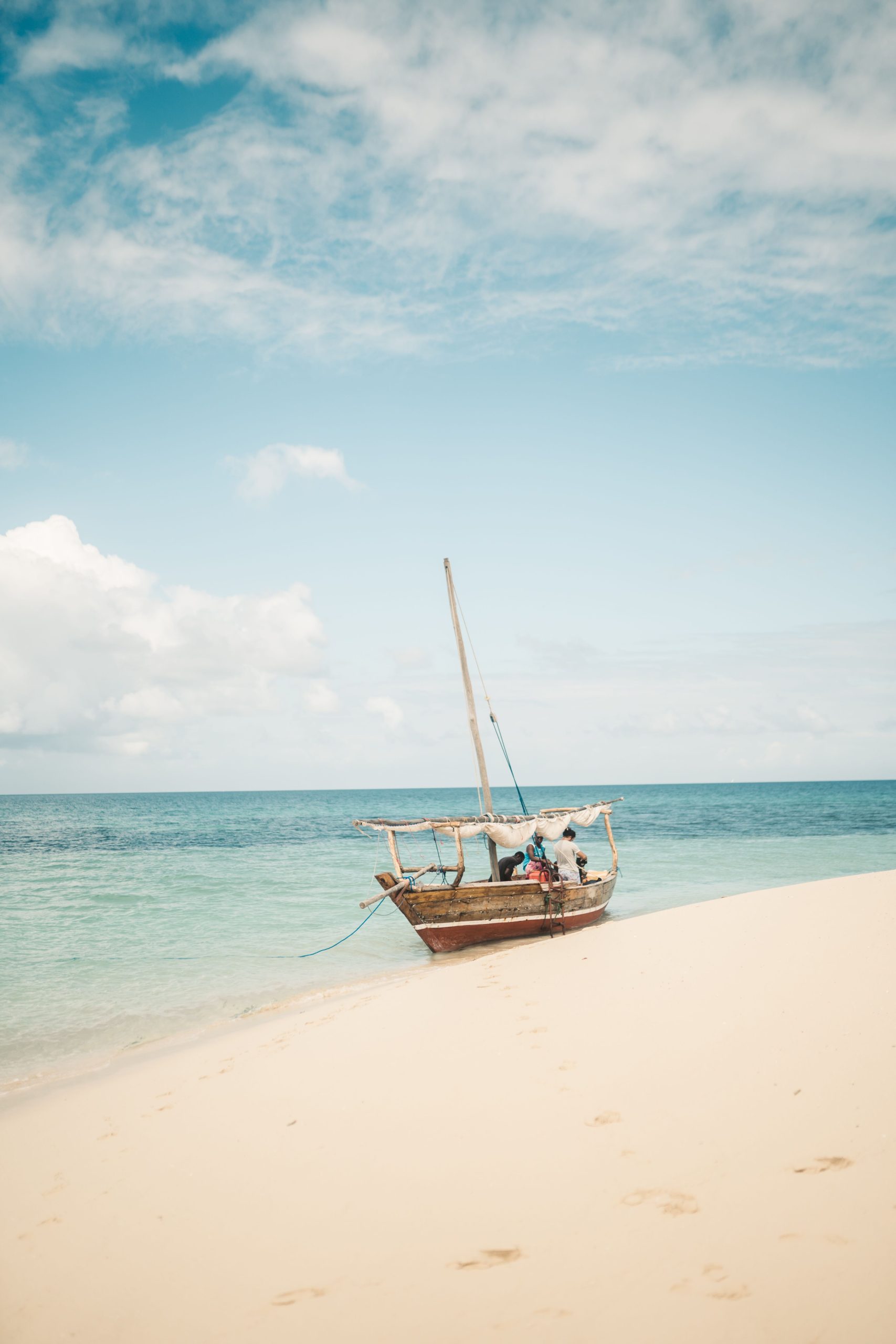
Dhow safaris (Bazaruto Archipelago): Traditional sailing dhows take you between islands for snorkelling, bird watching, and beach picnics. The experience hasn’t changed in centuries — the boats are hand-built, the sails are canvas, the navigation is by sight.
Eating Local: A Mozambican Coastline Primer
Mozambican food is one of Africa’s most underrated cuisines — a blend of Portuguese technique, Indian spices, and coastal abundance.
Matapa: Cassava leaves ground with peanuts, garlic, and coconut milk. Sometimes with prawns, sometimes without. It’s the dish that tells you where you are.
Piri-piri prawns: Not the Portuguese version. Mozambican piri-piri is brighter, sharper, made with local birds-eye chillies and lemon. If you eat one thing on the coast, eat this.
Pao (bread rolls): Baked in wood-fired ovens in every village. Sold from baskets on the side of the road. The best breakfast in Mozambique costs less than a dollar.
Local markets over restaurants: The freshest seafood in Mozambique isn’t in a restaurant — it’s in the morning market. Buy prawns from the fisherman, pay someone to grill them, eat them on the beach.
Cultural Travel: Beyond the Beach
The biggest mistake in Mozambican travel is never leaving the resort. Here’s how to travel more deeply:
Learn basic Portuguese: Even 20 words changes everything. “Bom dia”, “obrigado/a”, “quantu custa?” — with these three phrases, you’re no longer a package tourist.
Visit local markets: Not the craft markets built for tourists. The municipal markets where people buy their daily food. This is where you see what Mozambique actually eats, wears, and values.
Support community tourism: Look for lodges and experiences that are locally owned or community-run. In Vilanculos, several dhow operators are community cooperatives. In Ilha de Mozambique, local guides offer walking tours that no international operator can replicate.
Dress respectfully: Mozambique is predominantly Muslim in the north and Christian in the south. On the coast, swimwear is fine at the beach but cover up in villages and towns. This isn’t restrictive — it’s basic courtesy.
Responsible Wildlife Encounters
Mozambique’s marine ecosystems are under pressure. Climate change, overfishing, and unregulated tourism all take their toll. Here’s how to travel responsibly:
Choose operators with marine biologists: The best whale shark and dolphin operators in Tofo employ marine biologists who track sightings and contribute to research data. You’re not just snorkelling — you’re citizen science.
Avoid captive animal experiences: Mozambique doesn’t have the volume of captive wildlife that other destinations do, but be wary of any “dolphin encounter” that involves feeding, enclosure, or forced interaction.
Respect fishing closures: Local communities have seasonal fishing closures for reef recovery. If an operator suggests going where fishing is closed, choose a different operator.
Practical Planning
Getting there: Fly into Maputo (MPM) from Johannesburg, Nairobi, or Lisbon. For the north, fly into Pemba (POL) via Maputo or Nairobi.
Visas: Most nationalities need a visa. Many can get a visa on arrival or an e-visa. Check the official Mozambique immigration site before travelling.
When to go: April to October is the dry season — best weather, best visibility for diving. November to March is hot and wet, but cheaper and less crowded.
Getting around: The EN1 highway runs the length of the country but is in varying condition. For the coast, a combination of domestic flights and local transport (chapas, the local minibuses) works for slow travel. Self-driving is possible but requires patience and a vehicle capable of rough roads.
Health: Malaria is present throughout Mozambique. Consult a travel clinic for prophylaxis. Bring a quality mosquito net for budget accommodation.
The Case for Slow Travel
Mozambique isn’t a checkbox destination. It’s a coastline that rewards the traveller who stays long enough to notice the second dhow builder, the third fish market, the afternoon light on a colonial wall in Ilha de Mozambique.
The best Mozambique trip isn’t the one where you see the most beaches. It’s the one where you leave understanding something about how 2,400 kilometres of coastline actually works — the people, the food, the boats, the fish, the tides.
Slow down. Stay longer. Eat where the locals eat. Ask questions. Mozambique will tell you everything — but only if you give it time.




The editorial team at Destination Southern Africa brings you the most comprehensive travel intelligence for Southern Africa. With decades of combined experience in African tourism, we cover everything from hidden gems to practical travel tips for international visitors.