
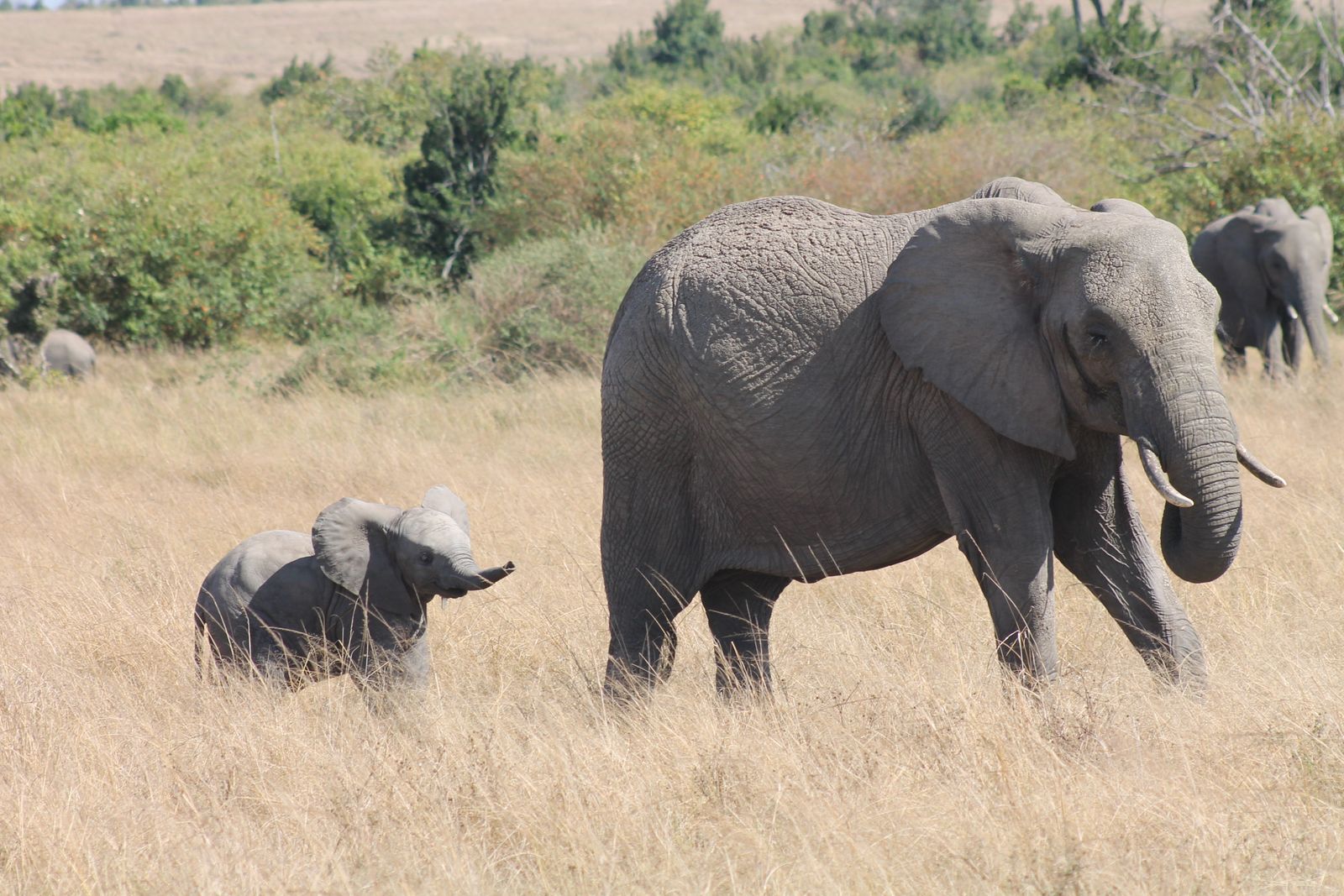
The One Decision That Makes or Breaks a Southern African Safari — and It Isn’t the Lodge
Travellers spend weeks comparing lodges, reserves and itineraries. Then they pick their dates almost at random — and wonder why their safari photos look nothing like the ones in the brochure.
Here’s the thing the safari industry doesn’t explain clearly enough: when you go matters more than where you go and what you pay. The same park, in a different month, is a completely different experience — in game viewing, in landscapes, in crowds, and in price.
There are really only two safari seasons. Understanding them is the single highest-leverage decision of your trip.
Dry Season (Roughly May to October)
This is the classic safari: thinning bushveld, animals crowded around permanent water, cool mornings and golden grass.
What you get: the easiest game viewing of the year. With less water and less cover, wildlife concentrates at rivers and waterholes, and sightings come to you. The Kruger’s dry season is superb; Botswana’s Chobe holds some of the largest elephant herds on Earth as the river becomes the only show in town.
What you trade: peak prices, peak crowds, dust, and hazy horizons. July and August book out far in advance, especially in the Kruger and around school holidays. You will not be alone at a leopard sighting.
Green Season (Roughly November to April)
This is the safari the brochures under-sell: dramatic thunderclouds, emerald landscapes, and a region coming back to life.
What you get: the birthing season. Impala lambs, wildebeest calves and zebra foals arrive in their thousands — which means predators are never far. Birding is at its absolute peak, with migrant species arriving from across the hemisphere. Photographers get storm light and deep green backdrops you simply cannot buy in August.
What you trade: game drives are harder work. The bush is thick, animals disperse across seasonal water, and rain can pause a drive for an hour. Some remote camps close when roads flood.
The payoff: green season rates can be 30 to 50% lower, and you share sightings with a fraction of the vehicles. For the value-focused traveller, it’s the smartest window in Southern Africa.
How to Match the Season to Your Trip
First-time safari, seeing the Big 5 is the goal: go dry season. June to September in the Kruger or Chobe. Book eight to twelve months ahead for July and August.
Second safari, or a photographer: go green season. The Makgadikgadi in Botswana after the rains, the Kgalagadi’s raptor season, or the Kruger in March for dramatic skies and newborn antelope.
Travelling on a budget: shoulder months — May, early June, late September — combine good viewing with green-season prices, thinner crowds, and weather that sits between the extremes.
Honeymoon or special occasion: early green season. Late November and December bring storm-lit landscapes, calves on the plains, and lodge rates that leave room in the budget for the suites you’d never touch in August.
The Honest Answer
There is no bad month in Southern Africa. There is only the match between your expectations, your budget and the calendar.
That’s the difference between a good safari and the trip you talk about for the rest of your life. Choose your month first, your lodge second — not the other way around.




The editorial team at Destination Southern Africa brings you the most comprehensive travel intelligence for Southern Africa. With decades of combined experience in African tourism, we cover everything from hidden gems to practical travel tips for international visitors.