
For Six Weeks a Year, the Deadliest Desert in Southern Africa Explodes Into Colour
Most travellers have never heard of Namaqualand. Those who have know it as a semi-desert — a stretch of the Northern Cape so dry and sun-scorched that early settlers called it “the gateway to hell.”
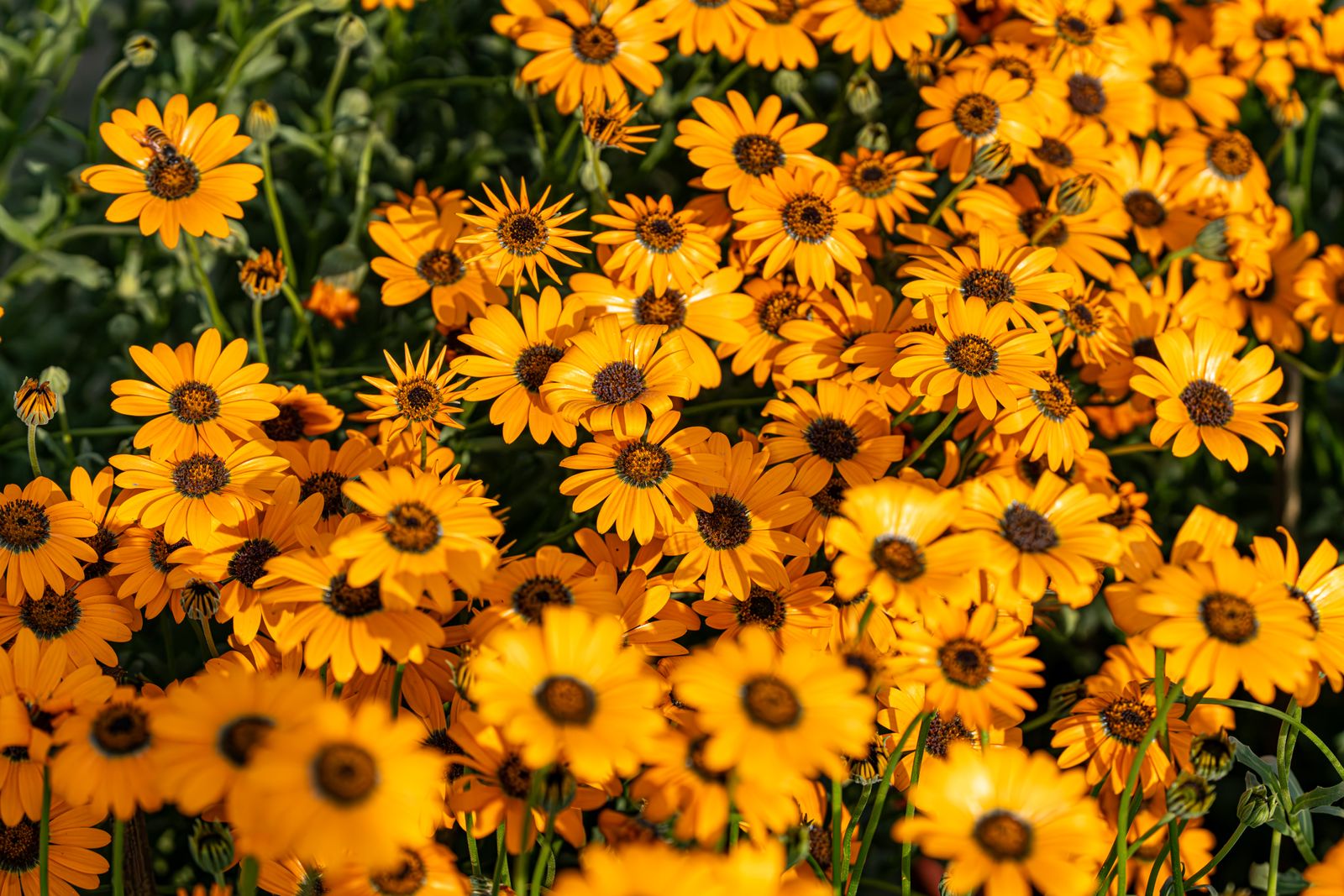
Then, once a year, between mid-August and early October, something extraordinary happens. The rains arrive, and a region that looks like the surface of Mars transforms into one of the greatest wildflower displays on Earth — an estimated 3,500 plant species, more than a third of them found nowhere else on the planet, blooming at once.
You cannot see this on a schedule. You have to time it. And you have to know where to look.
Why Namaqualand Blooms Like Nowhere Else
The secret is survival strategy. Namaqualand’s plants spend most of the year dormant — bulbs, seeds and succulents waiting underground for exactly the right combination of winter rain and spring warmth. When it comes, they flower in a race against the heat: bloom, pollinate, seed, done, all in a matter of weeks.
That urgency is what makes it breathtaking. This is not a garden. It is a natural phenomenon on the same scale as the migration — except most of the world has never planned a trip around it.
When to Go (and How to Stop Guessing)
The bloom typically runs from mid-August to late September, sometimes stretching into early October in the southern parts. But the single biggest mistake travellers make is booking a fixed date months in advance and hoping for the best.
The bloom moves. It starts in the north, around Springbok, in early August, then sweeps south towards the West Coast as September arrives. It follows the rain. A week’s difference can mean bare ground or carpets of orange, purple, yellow and white daisies as far as you can see.
How to handle it: plan your trip for the last two weeks of August or the first two weeks of September, stay flexible within a two- or three-day window, and follow the weekly flower reports published by SANParks, the Northern Cape tourism office, and local visitor centres in Springbok and Clanwilliam. Locals track the bloom the way fishermen track the runs.
Where to Actually See It
1. Namaqua National Park (near Kamieskroon) — The headline act. Vast fields of orange and white daisies, with a coastal section most visitors never drive to. The Caracal Ecotourism 4×4 route rewards those with a capable vehicle.
2. Goegap Nature Reserve (near Springbok) — Compact, accessible, and often at its peak earliest. Excellent for succulents and the rarer halfmens (half-human) plants that exist almost nowhere else.
3. Skilpad Wildflower Reserve (part of Namaqua NP) — Specifically maintained for flower viewing, with circular drives built for it.
4. West Coast National Park (near Langebaan) — The late season. If you are travelling in late September, this is your best chance: Postberg section opens only during flower season, and its displays of gousblom and sporrie are stunning against the lagoon.
5. The N7 itself — Honestly, some of the best displays are roadside between Vanrhynsdorp, Clanwilliam and Springbok. Pull over where it is safe, because the colour runs to the horizon.
How to Do It Properly
Go at midday. This is the counterintuitive one. Namaqualand daisies close at night and in overcast weather — they open fully in direct sun, usually between 10 AM and 3 PM. Dawn and sunset photographers often find closed flowers. Chase the sun.
Self-drive the region. The freedom to follow bloom reports for a hundred kilometres is what separates people who hit the peak from people who miss it. Springbok, Kamieskroon and Garies make good bases; book early, because accommodation in small Namaqualand towns fills completely in flower season.
Get out of the car. From the road, the flowers read as one orange blur. On foot, the diversity appears: tiny endemic irises, butterfly lilies, living stones (Lithops) that mimic the gravel they grow in. A slow morning walk in Namaqua NP is worth more than a hundred kilometres of driving.
Never pick or trample. Every picked flower is next season’s seed bank. The display survives because the plants seed themselves — stay on paths and leave the field intact.
Layer up. Spring in the Northern Cape swings from 30°C afternoons to near-freezing nights. The same sun that opens the daisies will burn you at this altitude — hat, sunscreen and two litres of water minimum.
Why This Is Southern African Travel at Its Best
Most international itineraries treat South Africa as Cape Town, Kruger and Vic Falls. That’s like visiting Italy for Rome and skipping Tuscany in spring.
Namaqualand is the kind of place we built Destination Southern Africa around: a natural spectacle that cannot be manufactured, timed by rain, and gone in six weeks. You do not book it like a hotel. You chase it like a swell.
The window for 2026 is closing soon. If you have ever wanted to stand in a desert that has turned into a painting, this is your month to start planning — and next August to do it.




The editorial team at Destination Southern Africa brings you the most comprehensive travel intelligence for Southern Africa. With decades of combined experience in African tourism, we cover everything from hidden gems to practical travel tips for international visitors.