
Every year, one of the greatest wildlife gatherings on Earth happens along South Africa’s coastline — and most international visitors schedule their trips around it without even knowing it exists.
Between June and November, thousands of southern right whales and humpbacks migrate from their icy Antarctic feeding grounds to the warm, sheltered bays of Southern Africa to mate, calve, and raise their young. The result is arguably the best whale watching on the planet — often from land, without spending a rand on a boat.
Here’s how to do whale season properly.
Hermanus: The World’s Best Land-Based Whale Watching
If you only have time for one whale destination, make it Hermanus. This seaside town on the Overberg coast an hour and a half from Cape Town has earned global recognition for a simple reason: the whales come absurdly close to shore.
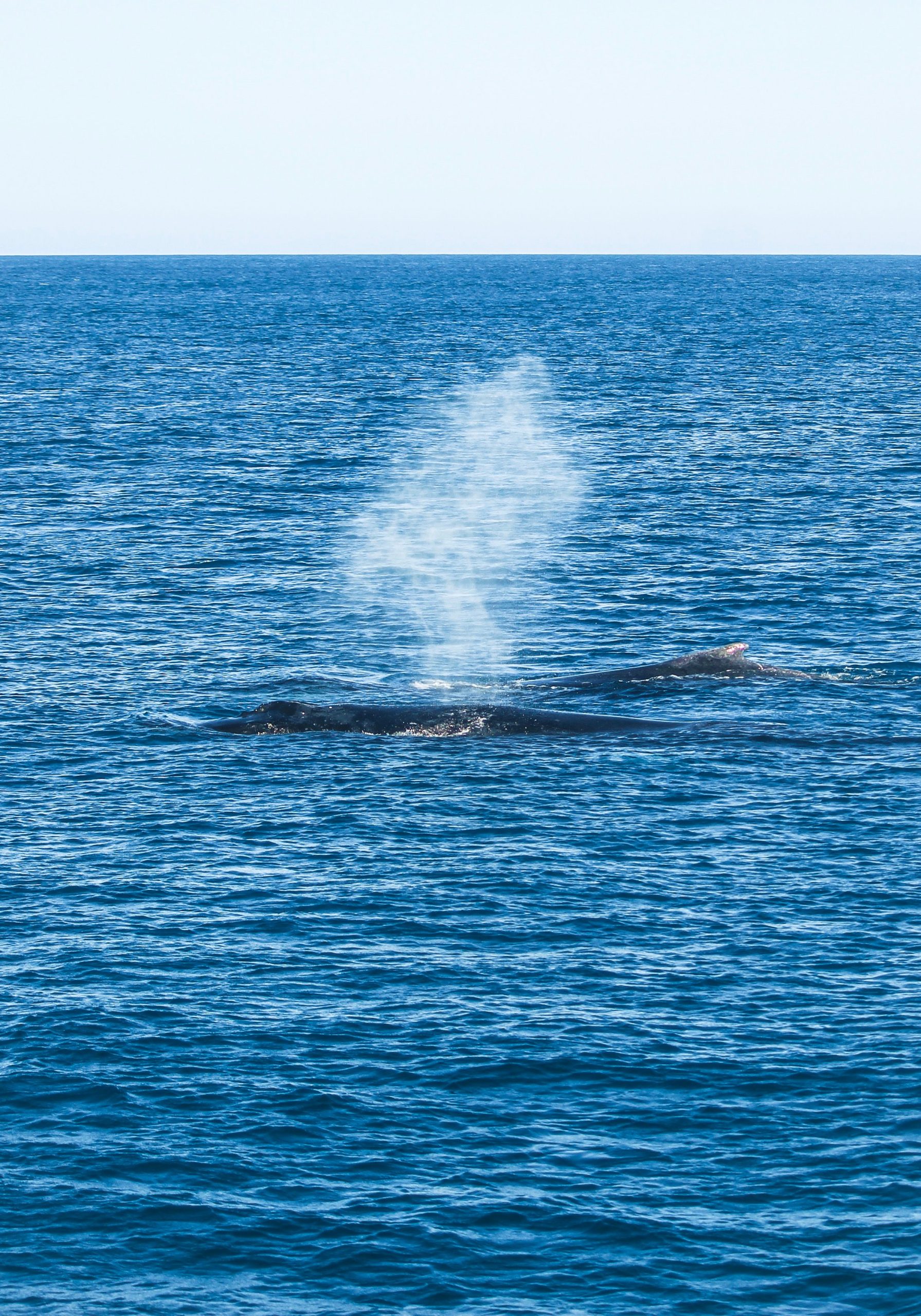
Southern right whales, in particular, favour the shallow, sandy-bottomed bays of Walker Bay. From the cliff path that curves along the coastline, you can watch mothers and calves lolling 50 metres from your feet — no binoculars required.
Two things not to miss:
1. The world’s only whale crier. Hermanus employs an official “whale crier” who blows a kelp horn whenever whales are spotted in the bay. Listen for the horn and follow the crowds.
2. The Whale Festival. Every year in late September, the town hosts a festival celebrating the peak of the season — food stalls, live music, a street parade, and whales breaching in the background. It’s the single best weekend to visit.
De Hoop Nature Reserve: Whales Without the Crowds
Three hours east of Cape Town, the De Hoop Nature Reserve protects a 50-kilometre stretch of pristine coastline that southern right whales treat as a nursery. Koppie Alleen, a rocky point in the reserve, is one of the densest whale-viewing spots in the world during peak season.
Because De Hoop is a bit of a mission to reach, you’ll often have the viewpoint to yourself. Pair it with a night or two in the reserve’s cottages — the fynbos, the antelope, and the star-filled skies make it a complete escape, not just a whale stop.
False Bay and the Cape Peninsula
Close to Cape Town itself, False Bay delivers reliable sightings from July through October. Drive the coastal road through Simon’s Town and keep an eye on the water — or head to the lookouts at Cape Point, where whales often cruise past the continent’s south-western tip.
The advantage here is convenience: you can combine a whale morning with penguins at Boulders Beach and a long seafood lunch in Kalk Bay, all in one relaxed day.
KwaZulu-Natal and the Humpback Highway
Up the east coast, the show changes. From June to November, humpback whales migrate north along the KZN coast toward Mozambique — a corridor locals call the Humpback Highway.
In St Lucia and iSimangaliso Wetland Park, you can watch breaching humpbacks from the beach while hippos graze in the estuary behind you. It’s one of the only places on Earth where you can reasonably expect to see a whale and a hippo in the same hour.
Boat-based tours from St Lucia, Richards Bay, and Sodwana Bay put you closer to the action, and the humpbacks here are show-offs — breaching, tail-slapping, and lobtailing with a theatricality the more sedate southern rights can’t match.
How to Watch Whales Responsibly
Whale season is a privilege, not a performance. A few ground rules:
Keep your distance. Boats must legally stay 300 metres from whales. If you’re on the water with an operator, make sure they respect the regulations — ask before you book.
Never chase or circle. A mother and calf’s energy is precious. Good operators approach slowly, keep engines low, and let the whales decide whether to come closer.
Support whale-based economies. Towns like Hermanus built their livelihoods on living whales, not whaling. Spending your money there keeps it that way.
Quick Facts for Planning
Peak season: September and October are the sweet spot — mothers and calves are in the bays, and the weather is mild.
What to bring: Warm layers (coastal wind is a given), binoculars for distant blows, and patience. Whales surface on their own schedule.
Best free viewpoint: The Hermanus Cliff Path. Twelve kilometres of walking trail with constant bay views.
The Bottom Line
You don’t need an expensive expedition to witness one of nature’s great migrations. You need a coastline, a good vantage point, and the right month. September on the South African coast delivers all three.
Plan your trip around the whales, and the rest of the journey falls into place around them.




The editorial team at Destination Southern Africa brings you the most comprehensive travel intelligence for Southern Africa. With decades of combined experience in African tourism, we cover everything from hidden gems to practical travel tips for international visitors.