
Ask anyone in Johannesburg or Durban where they go for a weekend break, and the answer is almost always the same. Cape Town. The Garden Route. Maybe the Kruger if they have a few extra days.
The Drakensberg barely gets a mention. And that is precisely why you should go.
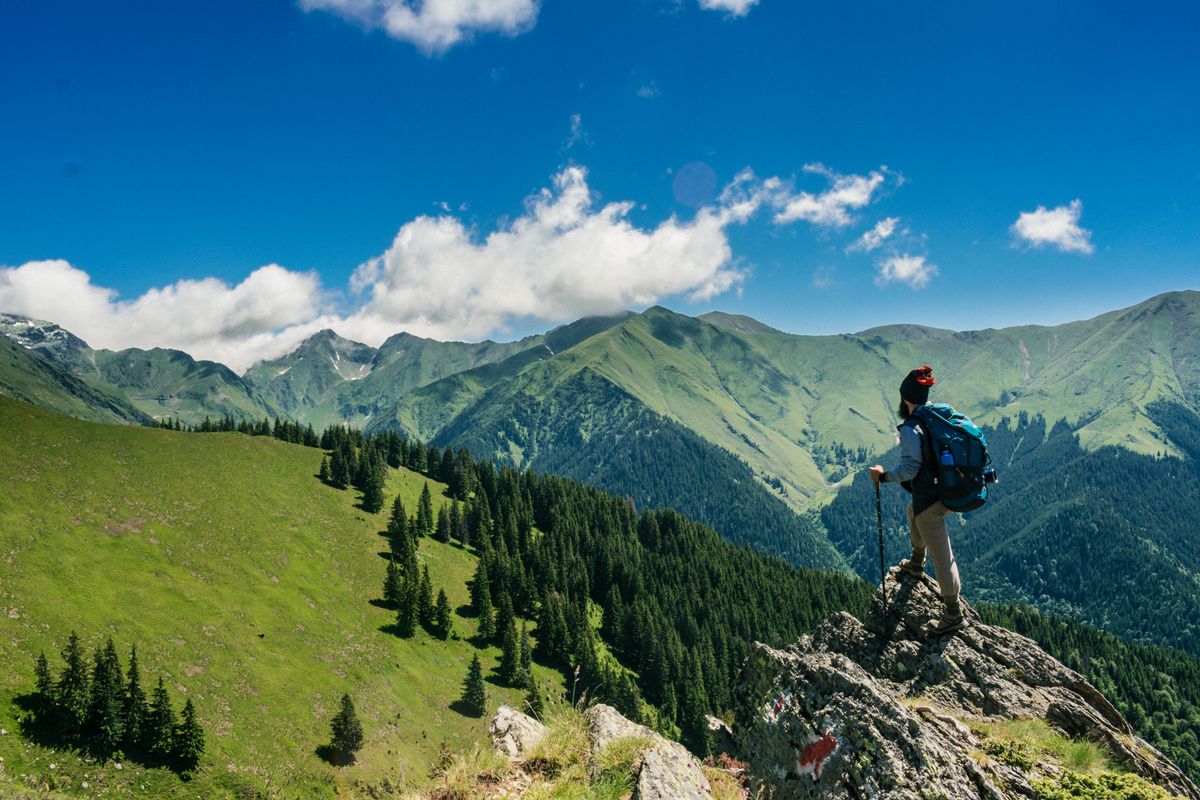
South Africa is most dramatic mountain range stretches for over 1,000 kilometres along the border of KwaZulu-Natal and Lesotho, and it remains one of the most spectacular, least crowded natural destinations in the country. No queues. No tourist traps. No overpriced espresso bars pretending to be authentic. Just mountains, rivers, bushman paintings, and silence.
Why the Drakensberg Beats the Coast
The coastal drives are beautiful, no question. But they are also where everyone else is. The Drakensberg offers something that has become increasingly rare in Southern African travel: genuine solitude in a landscape that makes you feel small in the best possible way.
The range is divided into three sections — the Northern, Central, and Southern Drakensberg — each with its own character. The Northern Berg is rugged and remote. The Central Berg is where most of the resorts and hiking trails are concentrated. The Southern Berg is wilder, quieter, and home to some of the most challenging hikes in the country.
And unlike the coast, the Berg is affordable. Accommodation ranges from R300 per night campsites to R3,500 luxury lodges. A weekend for two, including petrol, food, and accommodation, can easily come in under R2,500 total.
The Hikes Worth Waking Up For
The Amphitheatre (Northern Berg)
This is the one. A 15-kilometre round trip that takes you to the top of the world-famous Amphitheatre wall, a 1,000-metre cliff face that is one of the most recognisable natural features in Africa. The chain ladders at the top are not for the faint-hearted, but the view from the edge is worth every step. Allow 5 to 6 hours. Moderate fitness required.
Cathedral Peak (Central Berg)
A challenging 16-kilometre hike to the summit of Cathedral Peak (3,004 metres). This is not a casual walk. It requires a full day, good fitness, and ideally a guide if you have not done it before. The reward is a 360-degree view that takes in the entire Central Berg range.
Monk’s Cowl (Central Berg)
If you want something shorter and more accessible, Monk’s Cowl offers several trails ranging from 2 to 8 kilometres. The Sphinx and Nandos Pass trails are popular day hikes with spectacular views of the Champagne Valley and Cathkin Peak.
Giants Castle (Southern Berg)
Famous for its San rock art sites, Giants Castle is where you can see paintings that are thousands of years old in their original setting. The Main Cave site has well-preserved art and is accessible via a short, easy walk from the camp.
Where to Stay
The Drakensberg has accommodation for every budget, and booking in advance is always advisable, especially during school holidays and long weekends.
Budget (R300 – R800 per night): Camping at Royal Natal National Park, Monk’s Cowl, or Giants Castle campsites. These are SANParks-run sites with basic facilities, clean ablutions, and unbeatable locations. Bring your own tent and supplies.
Mid-range (R800 – R2,000 per night): Didima Camp in the Central Berg offers comfortable chalets with a rock art interpretive centre. Champagne Valley has several guesthouses and B&Bs that offer good value and easy access to trails.
Luxury (R2,000 – R5,000 per night): Cathedral Ridge, Champagne Sports Resort, and Cleopatra Mountain Farmhouse offer luxury accommodation with fine dining, spa services, and guided activities. These are destinations in themselves, not just places to sleep.
When to Go
The Drakensberg is a year-round destination, but the experience changes dramatically with the seasons.
Summer (November to February): Lush, green, and warm, but afternoon thunderstorms are common. Start hikes early to avoid being caught on a ridge during lightning. The rivers are full, and waterfalls are spectacular.
Winter (May to August): Cold, dry, and clear. The best hiking weather you will find all year. Mornings can be freezing, but the visibility is exceptional. Snow on the peaks is not uncommon and transforms the landscape into something from another continent.
Autumn (March to May): The sweet spot. Warm days, cool nights, minimal rain, and the berg is still green from summer rains. This is the local secret for the best overall experience.
Practical Tips for First-Timers
Fill up in Harrismith or Estcourt — petrol stations inside the berg are limited and expensive. Download offline maps before you lose signal, which you will. Carry a warm layer even in summer; weather at altitude changes fast. Tell someone where you are hiking and when you expect to be back. The mountains are not dangerous if you are prepared, but they are unforgiving if you are not.
Most importantly, slow down. The Drakensberg is not a checklist destination. It is the kind of place that rewards sitting still as much as it rewards climbing. Find a rock, sit on it, and watch the light move across the face of the mountains. That is the experience that no Instagram post can capture.
Getting There
The Northern Berg is approximately 3.5 hours from Johannesburg and 4 hours from Durban via the N3 and R74. The Central Berg is about 4 hours from Johannesburg via the N3 and R616. The Southern Berg is roughly 4.5 hours from Johannesburg via the N3 and R617.
All routes are tarred and accessible in a standard vehicle. A 4×4 is not necessary unless you plan to explore the Sani Pass, which crosses into Lesotho and requires a high-clearance vehicle.
The Drakensberg has been hiding in plain sight for years. The fact that most South Africans overlook it is not a problem. It is an opportunity. Go before that changes.




The editorial team at Destination Southern Africa brings you the most comprehensive travel intelligence for Southern Africa. With decades of combined experience in African tourism, we cover everything from hidden gems to practical travel tips for international visitors.