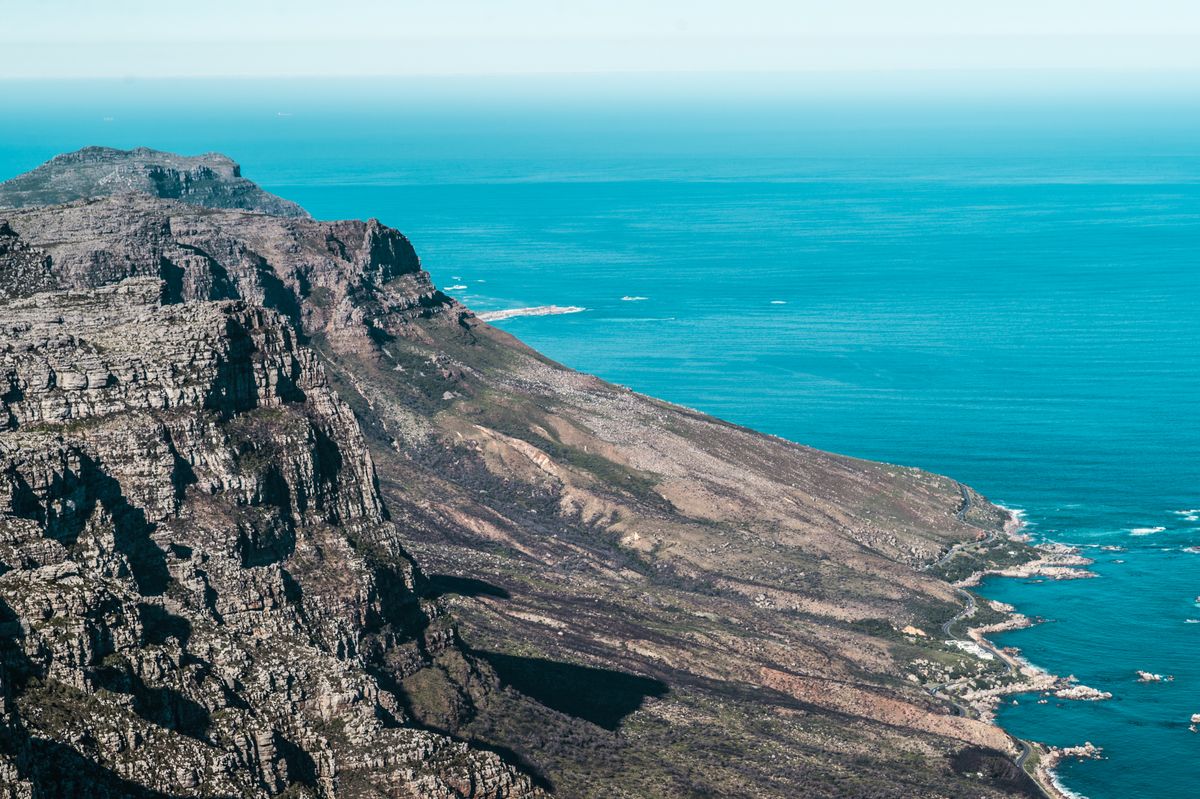


For years, the dream of African travel has been tangled in a web of paperwork. Visa applications, embassy visits, and weeks of waiting have held back countless travellers from experiencing the continent is most extraordinary destinations.
But something has shifted. Across Africa, governments are recognising what the travel industry has long argued: that easing visa restrictions does not just benefit tourists. It fuels entire economies, creates jobs, and strengthens regional ties.
The result? A growing list of African destinations where South African passport holders and many international travellers can arrive visa-free, visa-on-arrival, or through a streamlined e-visa process. If you have been waiting for a sign to book that trip, this is it.
Seychelles: 90 Days, No Questions Asked
The Seychelles remains one of the most accessible island destinations in the world. South African travellers receive 90 days visa-free on arrival, with nothing more than a passport, return ticket, and proof of accommodation required. No forms to fill out in advance, no embassy appointments, no fees.
What awaits you is 115 islands of granite and coral, each with its own shade of blue. From the famous beaches of Mahe to the untouched atolls of the Outer Islands, the Seychelles delivers a level of natural beauty that photographs simply cannot capture.
Mauritius: 90 Days of Island Freedom
Mauritius has long been a favourite for South African travellers, and the visa-free 90-day access makes spontaneous trips entirely possible. Flights from Johannesburg are under four hours, and the island is compact enough to explore thoroughly in a week.
Beyond the beaches, Mauritius offers hiking in Black River Gorges National Park, cultural tours through Port Louis markets, and some of the Indian Ocean is best diving sites. It is a destination that rewards curiosity as much as it rewards relaxation.
Zanzibar: Visa on Arrival, Islands Within Islands
Tanzania, which administers Zanzibar, offers visa-on-arrival for South African passport holders at a cost of $50 USD. The process is straightforward, but it is worth noting that an e-visa option now exists for those who prefer to sort paperwork in advance.
Zanzibar itself is a study in contrasts. Stone Town is UNESCO-listed, its narrow streets holding centuries of Swahili, Arab, and colonial history. Meanwhile, the eastern beaches of Nungwi and Kendwa offer sunsets that make you forget that time zones exist.
Namibia: No Visa, Endless Horizons
For South African travellers, Namibia requires no visa at all. A valid passport is enough to cross the border, whether you are driving up from the Cape or flying into Windhoek.
Namibia is the country that taught Southern Africa what space means. The Namib Desert, the Skeleton Coast, Etosha Pan, and the Fish River Canyon are not just landscapes. They are experiences that recalibrate your sense of scale. In a world of shrinking horizons, Namibia offers the opposite.
Botswana: Visa-Free for 90 Days
Botswana grants South African passport holders 90 days visa-free, making it one of the most accessible safari destinations on the continent. The Okavango Delta, Chobe National Park, and the Makgadikgadi Pans are all within reach without any pre-trip paperwork.
Botswana is high-cost, low-impact tourism model means fewer crowds and better wildlife encounters. It is not the cheapest destination, but it is one of the most rewarding.
Mozambique: Visa-Free for 30 Days
South African travellers can enter Mozambique visa-free for up to 30 days. The Maputo Corridor makes it possible to drive from Johannesburg to Maputo in under five hours, and the EN1 highway runs north along the coast toward Tofo, Vilanculos, and beyond.
The Bazaruto Archipelago, with its turquoise waters and dugong populations, is one of the Indian Ocean is last truly untouched island groups. Mozambique is not a polished destination, and that is precisely its appeal.
The Bigger Picture: The African Continental Free Trade Area
The African Union is African Continental Free Trade Area (AfCFTA) is slowly but surely reshaping how Africans move across their own continent. While visa liberalisation has been inconsistent, the trajectory is clear. More countries are recognising that friction at borders costs more than it earns.
The AU is African Passport, while still in early stages, represents a long-term vision of seamless African travel. In the meantime, bilateral agreements and regional protocols (like SADC is movement frameworks) are filling the gaps.
What This Means for Travellers
If you have been postponing an African trip because of paperwork, the landscape has changed. The destinations above are accessible right now, with nothing more than a valid passport and a sense of adventure.
The advice from Destination Southern Africa is simple: travel while the access is easy, because policy can shift. These visa-free and visa-on-arrival arrangements represent some of the most traveller-friendly conditions the continent has ever offered. They are worth using.
And if you need help planning, that is what we do. Explore our latest magazine issues for detailed destination guides, or browse our Things to Do section for curated experiences across the region.
Before You Go
Visa requirements can change. Always check the official embassy or foreign affairs website of your destination before booking flights. Ensure your passport has at least six months of validity and sufficient blank pages. Carry proof of accommodation and return tickets, as immigration officers may request these on arrival.
Travel insurance is not a luxury. It is a standard. Even visa-free destinations require you to be covered for medical emergencies, trip cancellations, and lost luggage.
The continent is opening up. The paperwork is getting lighter. The only question that remains is where you will go first.




The editorial team at Destination Southern Africa brings you the most comprehensive travel intelligence for Southern Africa. With decades of combined experience in African tourism, we cover everything from hidden gems to practical travel tips for international visitors.