


The first time I set foot on the Skeleton Coast, it felt like entering a different world. Fog rolled in from the Atlantic, thick and ghostly, swallowing the jagged coastline and the rusted skeletons of ships long claimed by the desert. It is a place that has haunted sailors and adventurers alike, but on a bicycle, I discovered its quiet, meditative power in a way that cars and tour buses never could.
I began my journey from the northern edge of the Skeleton Coast National Park, my bike loaded with supplies, a map, GPS, and a sense of cautious anticipation. The route was remote, isolated, and untamed, stretching for hundreds of kilometres where desert meets sea. The sand is coarse, the wind unforgiving, and the fog can obscure vision in an instant. Yet the landscape is mesmerizing. Towering dunes rise like golden walls, and the ocean crashes against cliffs in a rhythm that feels almost timeless.
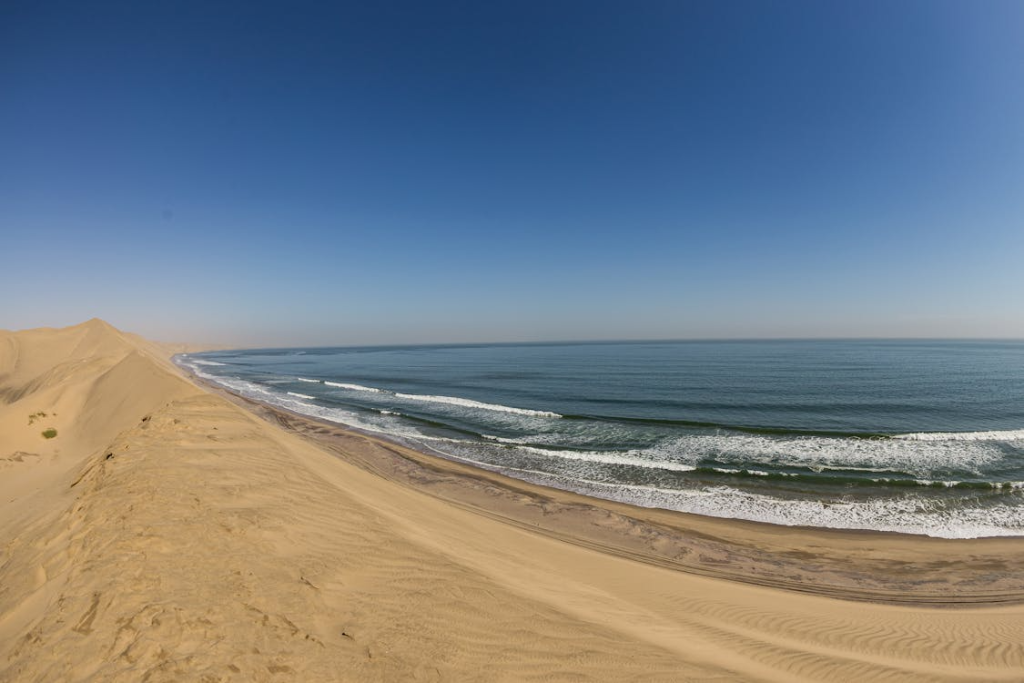
Cycling here is not for the faint of heart. There are stretches where no human has passed for hours, and the nearest medical help is many kilometres away. I learned to ride slowly, to respect the elements, and to keep a keen eye for shifting sands and hidden wildlife. Seals occasionally bark from offshore rocks, and oryxes wander the dunes, giving the sense that you are alone with the raw forces of nature.
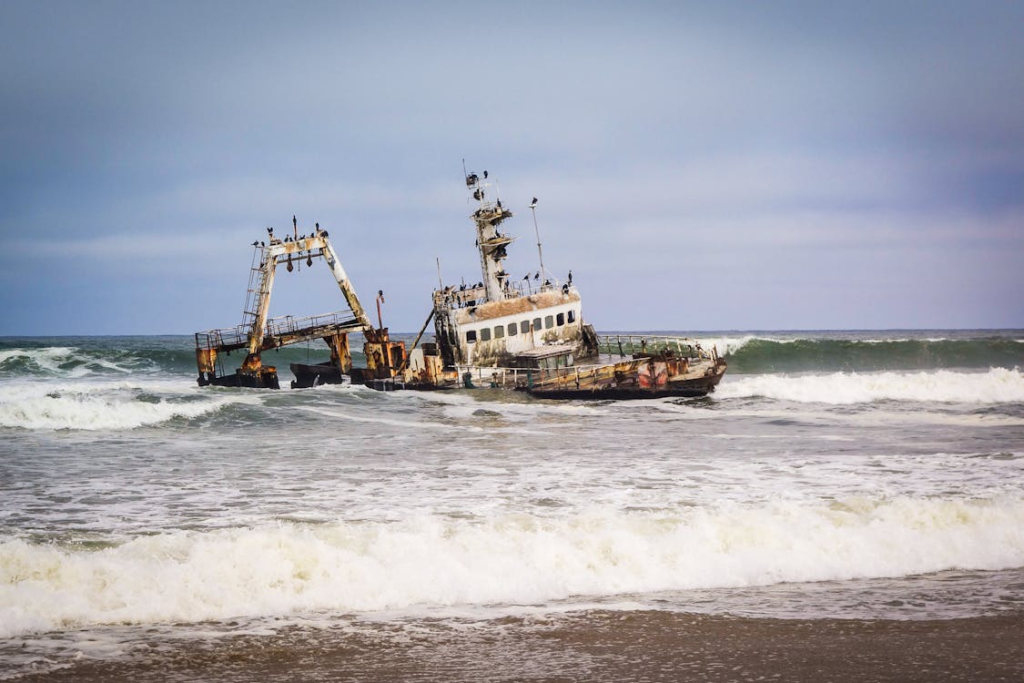
The Skeleton Coast is scattered with reminders of the human stories that ended here. Rusted hulls peek from the sand, haunting monuments to ships like the Eduard Bohlen, stranded over a century ago. Cycling past these relics, I felt the eerie silence of the coast, punctuated only by the wind and my own breath. I stopped frequently to absorb the view, photograph the shipwrecks, and imagine the mariners who battled storms and fog in the hope of survival.
Travel Tip: The Skeleton Coast is extremely remote. Always travel with a local guide or in a convoy if possible. Carry extra water, food, spare tires, and a satellite phone. Check weather and fog conditions daily. Riding alone without experience in desert terrain is not advised.
Beyond the shipwrecks, I explored ephemeral rivers and salt pans, each offering a different texture, colour, and challenge. Riding across hard-packed sand was exhilarating, while softer dunes required careful navigation to avoid collapse. The Atlantic fog is both a friend and a foe, cooling the heat of the desert sun but limiting visibility, so cycling in daylight and during calm wind conditions is essential.
Evenings on the Skeleton Coast are magical. The sun filters through the mist, casting long, dramatic shadows across dunes and the skeletal remnants of human endeavour. I camped in designated areas, where security rangers patrol regularly. There is no nightlife here, no distractions, only the sound of the wind, the surf, and the distant cries of seabirds. It is a place to reflect, to slow down, and to appreciate both the fragility and the resilience of life in this harsh yet beautiful environment.
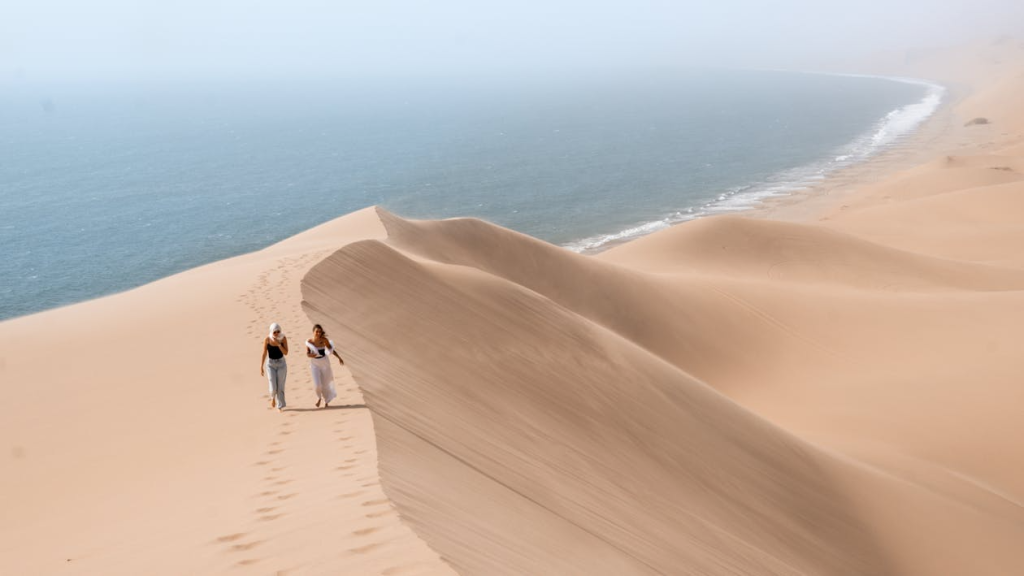
Cycling the Skeleton Coast is a journey that demands preparation, respect for nature, and an adventurous spirit. It is not just a physical challenge, but a deeply personal experience that connects you to the land and the stories it holds. For those willing to embrace its fog, sand, and shipwrecks, it offers memories that are haunting, humbling, and unforgettable.
Safety Reminder: Never underestimate the remoteness of the Skeleton Coast. Inform authorities of your route, wear protective clothing, use sun protection, and always ride with sufficient water and emergency supplies. Check park entry requirements and permits well in advance.




The editorial team at Destination Southern Africa brings you the most comprehensive travel intelligence for Southern Africa. With decades of combined experience in African tourism, we cover everything from hidden gems to practical travel tips for international visitors.


