
The Safari That Sits in an Extinct Volcano
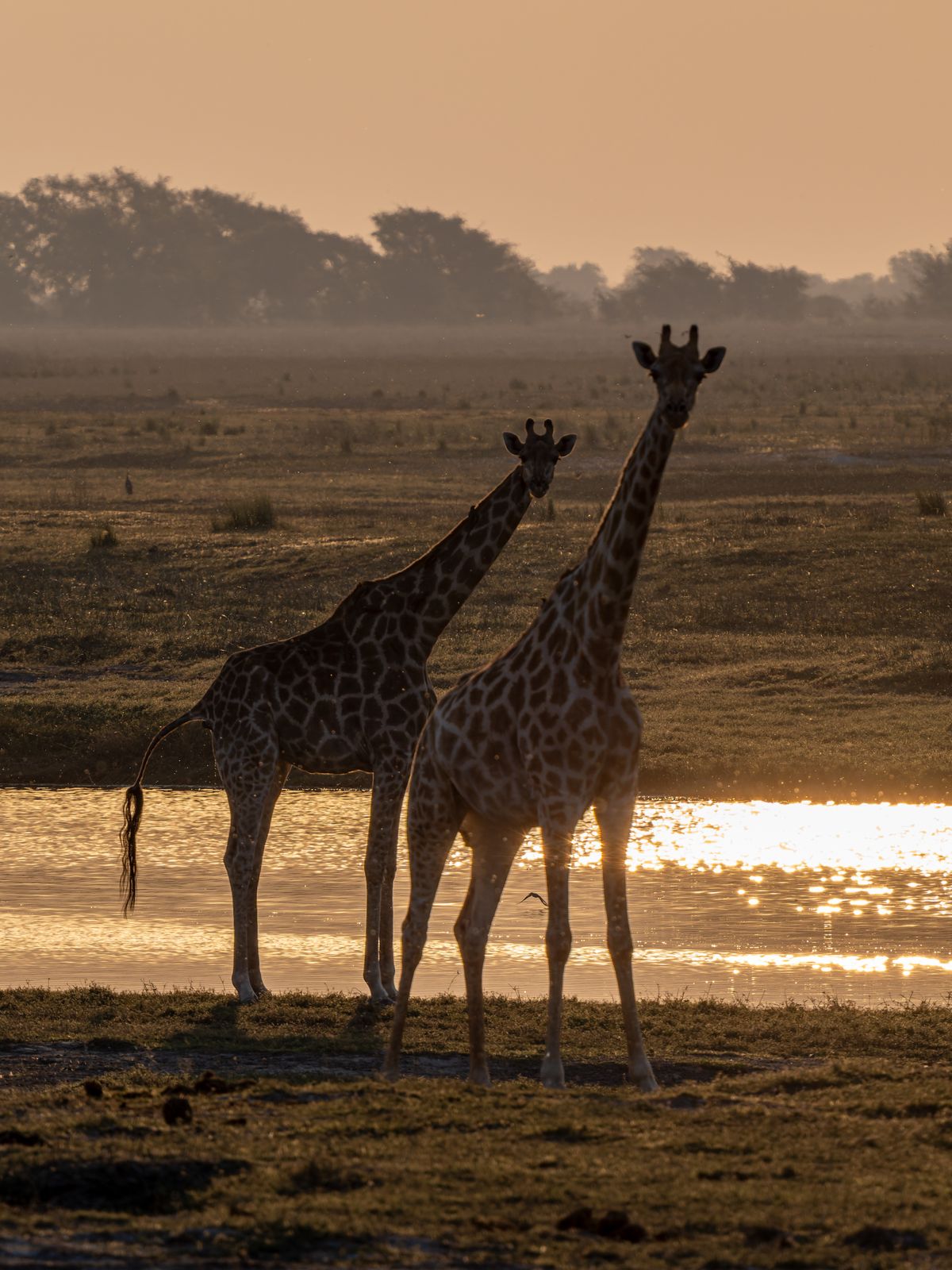
Two hours from Johannesburg, inside the collapsed rim of a volcano that erupted 1.2 billion years ago, you can watch a lion walk past a giraffe silhouette at sunrise, be back at your lodge by nine, and still make a Sun City brunch by eleven.
That is Pilanesberg National Park, and it remains one of the most under-sold safari destinations in Southern Africa. While international visitors fight for permits in the Kruger and pay Botswana prices in the Okavango, Pilanesberg quietly offers something almost nowhere else on the continent can: a genuine Big Five safari in a malaria-free area, on excellent roads, within easy reach of a major city.
If you are planning a Southern Africa trip and your itinerary is tight, this is the park that makes the rest of your plans look slow.
Why Pilanesberg Is Geologically Famous (and Why You’ll Care)
Pilanesberg sits in one of the largest volcanic structures of its kind on Earth — an ancient alkaline ring complex formed by eruptions more than a billion years ago. The rings of hills you drive through are the fossilised remains of that volcano’s crater, and the park’s rare rock types have made it a site of international geological interest for decades.
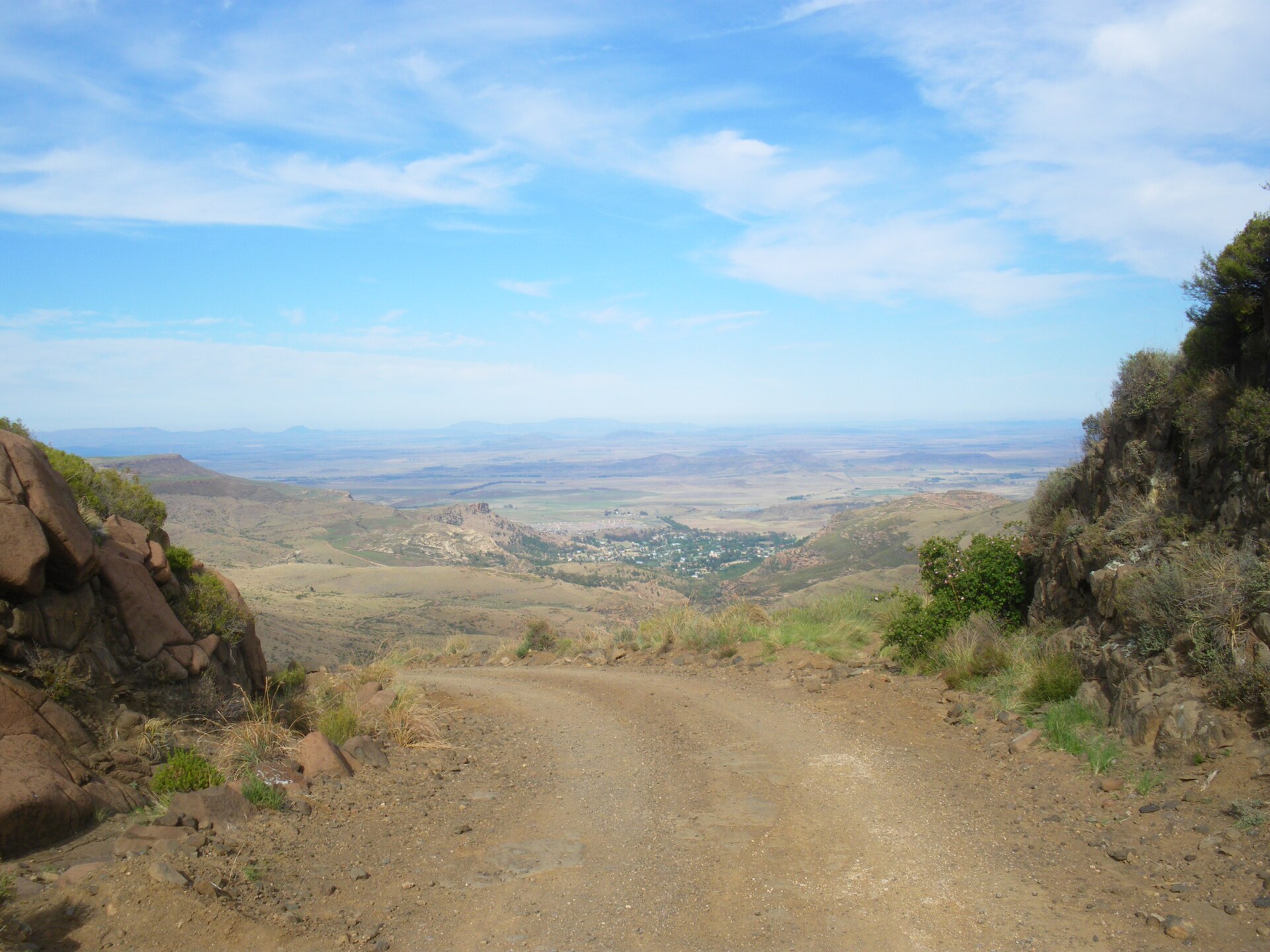
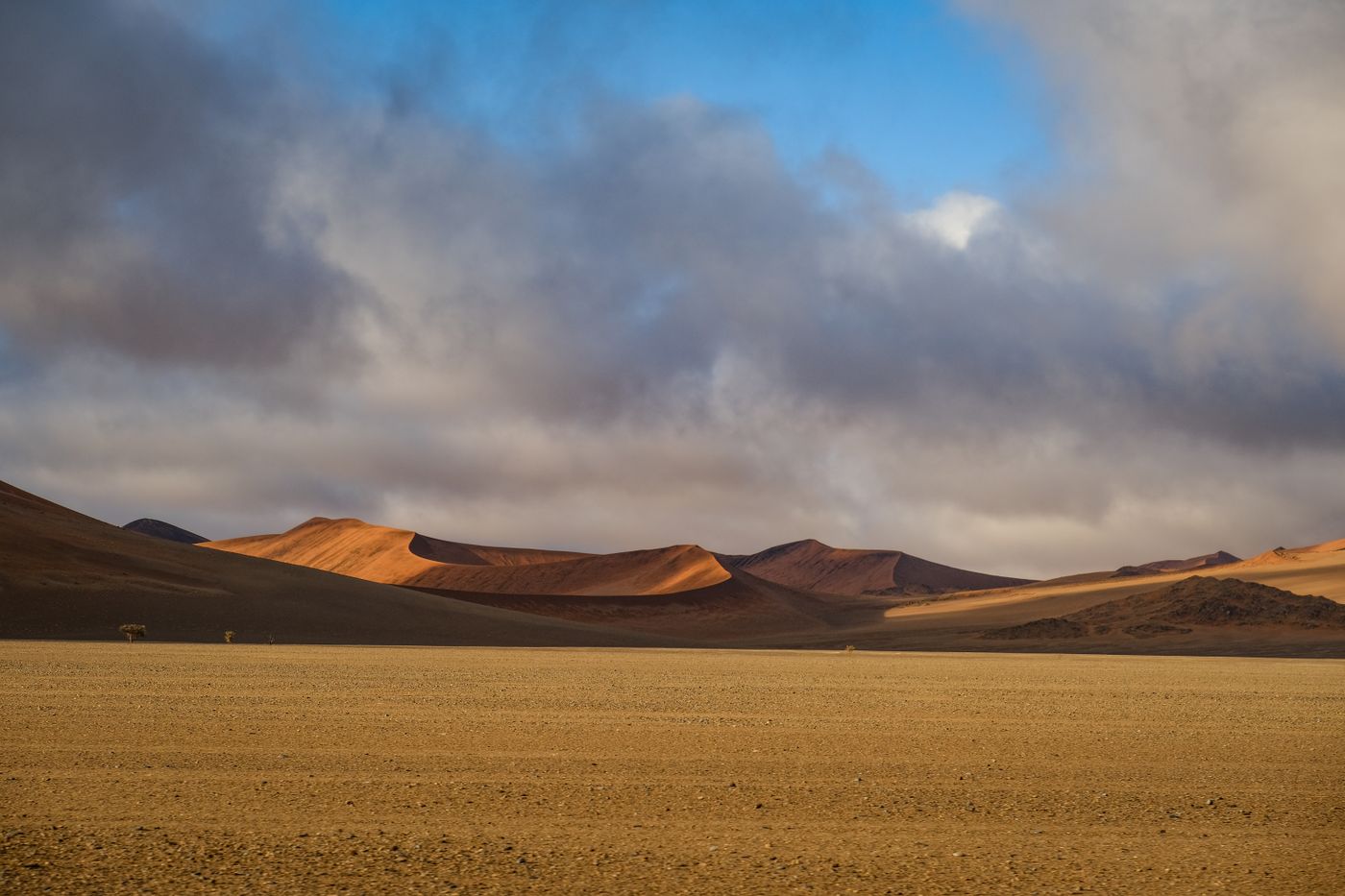
You don’t need to care about geology to feel it, though. The landscape is unlike any other park in the region: wide grassland valleys ringed by steep, rocky ridges, with hills that glow copper in the late afternoon. Photographers call the light here “the Pilanesberg hour”, and it lasts longer than it does almost anywhere else because the crater rim catches the sun on both sides.
Big Five in a Malaria-Free Zone
Pilanesberg’s game list reads like a fantasy roster: lion, leopard, buffalo, rhino and elephant, plus cheetah and wild dog, all reintroduced through Operation Genesis in 1979 — one of the most ambitious game translocation programmes ever undertaken in Africa. More than 6,000 animals were moved into the park over several years, and today Pilanesberg holds healthy populations of over 50 large mammal species and more than 350 bird species.
Because the park is enclosed by a perimeter fence and managed intensively, sightings are consistently good. Elephant and buffalo are near-certain on any given morning. Lion prides are well established and regularly seen on kills near the central roads. The leopard is the park’s ghost — present in healthy numbers, as everywhere, but requires patience and a good guide.
The malaria-free status matters more than most first-time visitors realise. Pilanesberg sits outside any malaria risk area, which means no prophylactics, no worry about young children or pregnancy, and no lost days feeling flat from medication. For families, honeymooners with a strict schedule, and travellers combining a safari with Gauteng or Sun City, it removes the single biggest logistical complication of an African safari.
Self-Drive Friendly — Genuinely
Many African parks claim to welcome self-drivers and then punish them. Pilanesberg does the opposite. The road network is roughly 200 kilometres of well-maintained gravel and tar loops, clearly signed, with numbered routes that make navigation simple even without a guide. A standard rental car will handle almost everything; you do not need a 4×4 unless it has rained heavily.
Buy the park’s bird and mammal checklist at the gate, fill a thermos of coffee, and drive your own dawn loop. The Mankwe Dam area, in the centre of the park, is the single most productive game-viewing stretch — animals converge on the water all day, and the hides along its shore are among the best in the country for close-up photography of elephant, hippo and waterbirds.
Gate times run roughly sunrise to sunset, with seasonal shifts, so check the current hours before you go. Park entry fees are modest by international safari standards and a fraction of Kruger’s peak-season day rates.
When to Go
Winter (May to September): The classic safari months. Dry, golden, cool mornings and warm afternoons. Game concentrates at water sources, the bush is thin, and sighting quality peaks. Bring a warm jacket for the sunrise drives — Highveld winters start close to freezing before 6 AM.
Summer (October to April): Green season, dramatic thunderheads, newborn antelope everywhere and the birdlife at its absolute best. Game viewing is harder work — the bush is thick and animals scatter — but the park is quieter, the skies are spectacular, and photographers get moody, cinematic light instead of postcard gold.
The shoulder months of April–May and September–October are the locals’ secret: good visibility, mild temperatures and low crowd levels on the loops.
Where to Stay
Pilanesberg’s accommodation ladder is unusually broad. Inside the park, Bakubung and Kwa Maritane bush lodges put you minutes from the Mankwe Dam, with guided drives included options and the rare luxury of walking out of your room into Big Five country. Tented camps and self-catering options inside the park suit tighter budgets without giving up the location.
Outside the fence, Sun City and its surrounds offer everything from family hotels to the Palace of the Lost City’s full spectacle, 15 to 30 minutes from the park gates. It’s a pairing no other safari region can match: casino-and-waterpark entertainment for the family in the morning, wild lions by afternoon.
How to Fit It Into a Southern Africa Itinerary
The standard mistake international visitors make is treating South Africa as “Cape Town plus a Kruger add-on” and skipping everything in between. The smarter play for a 10-to-14 day trip is this: arrive in Johannesburg, spend two nights in Pilanesberg to shake off the jet lag with immediate, high-quality game viewing, then continue onward — east to the Kruger’s lowveld, north to Victoria Falls, or west into the Kalahari and Namibia.
Because Pilanesberg is only two hours from OR Tambo International by road, you can realistically land in the morning and be watching elephants by the same afternoon. No other Big Five park on the continent offers that on an international arrival day.
Practical Tips From People Who Drive It Monthly
- Enter at first light. The first two hours after the gates open produce the majority of predator sightings. Sleep-in safaris don’t work here.
- Slow down at the dams. Mankwe, Lengau and Thlou dams are the park’s watering-hole network. An hour parked quietly at any of them beats three hours of racing between sighting calls.
- Stay in your car. Unlike some reserves, Pilanesberg has strict rules about staying in vehicles — the buffalo in particular are not to be tested.
- Book drives, not just entry. The park’s own guided drives have radio contact between guides, which roughly doubles your sighting rate compared to self-driving alone.
- Fuel up in Rustenburg or Sun City. There is no filling station inside the park, and the distances between gates are longer than they look on the map.
The Bottom Line
Pilanesberg is not the Kruger, and it is not trying to be. It is compact, convenient, malaria-free and astonishingly productive — the park that lets a first-time visitor see the Big Five in 48 relaxed hours, or lets a returning safari veteran fill the gaps on their list (wild dog, cheetah, brown hyena) without an expensive fly-in itinerary.
In a region overflowing with world-famous parks, the ancient volcano next to Sun City is still the one most international travellers have never heard of. For now.




The editorial team at Destination Southern Africa brings you the most comprehensive travel intelligence for Southern Africa. With decades of combined experience in African tourism, we cover everything from hidden gems to practical travel tips for international visitors.