
South Africa Has a Brand-New National Park — and It’s in the Eastern Cape
South Africa’s national park family has grown. Forestry, Fisheries and the Environment Minister David Maynier has formally declared the Grasslands National Park, a 10 225-hectare protected area in the Eastern Cape highlands, making it the country’s newest national park.
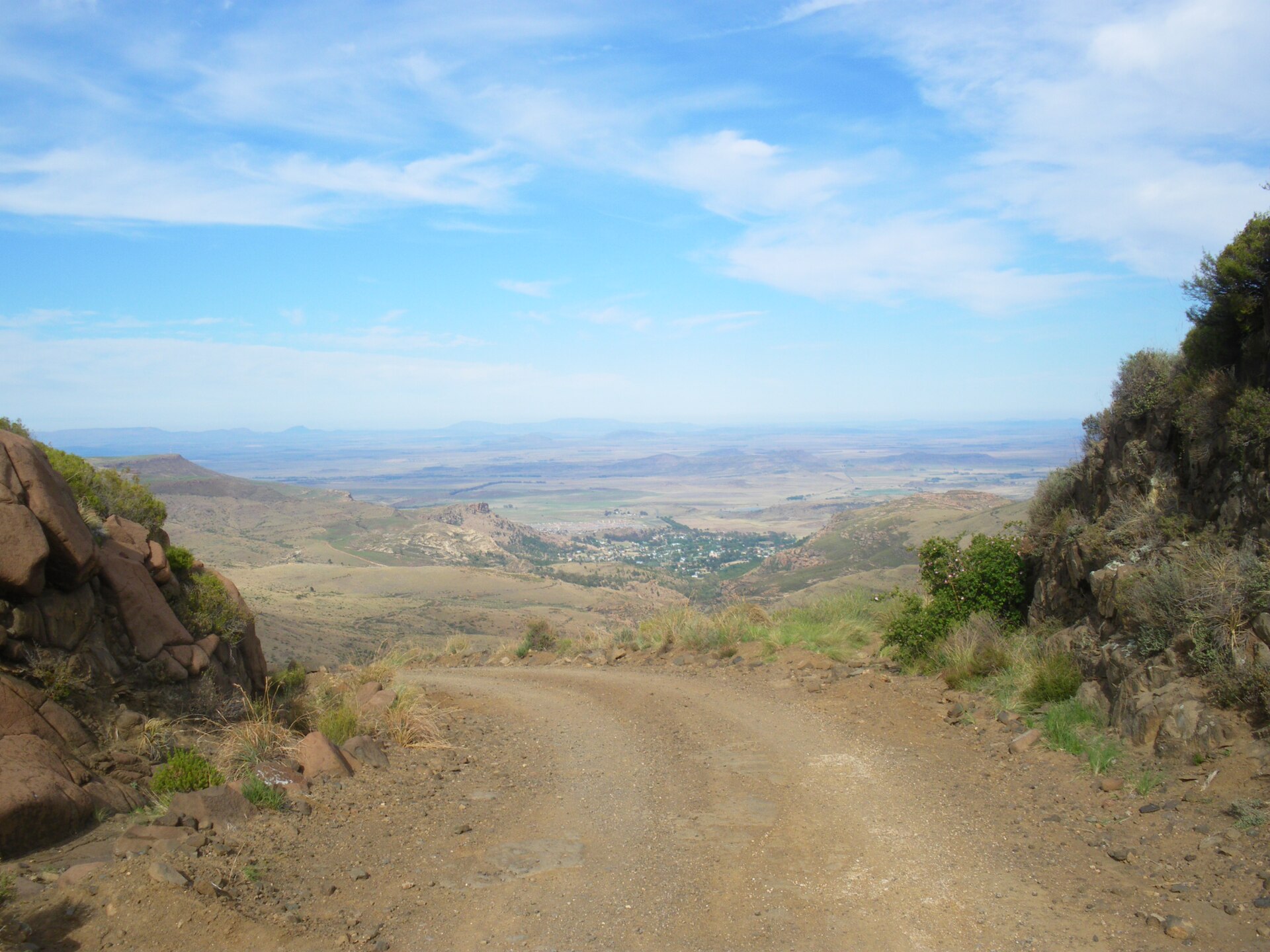
The declaration was published in Government Gazette No. 55531 (Government Notice No. 8002) and covers 18 properties situated between Nqanqarhu (formerly Maclear) and Rhodes — rugged, high-altitude country in the southern Drakensberg where mountain passes, cold streams and rolling grassland define the landscape.
Why This Park Matters
Grasslands are one of South Africa’s least-protected biomes. They don’t make calendars the way Kruger’s bushveld or the Cape’s fynbos do, yet they filter water, anchor soils and shelter species found almost nowhere else.
The new park also protects part of the Eastern Cape Drakensberg Strategic Water Source Area — highland catchments that feed rivers millions of people downstream depend on. In a water-scarce country, protecting the source is as strategic as it gets.
“The declaration of the Grasslands National Park is an important step in protecting one of South Africa’s least-protected biomes and a strategic water source landscape,” Maynier said. “It also demonstrates how conservation and compatible productive land use can reinforce one another through voluntary, long-term partnerships.”
A First for South African Conservation
What makes this park genuinely historic is how it was put together. It is the first national park in South Africa established primarily through the biodiversity stewardship model.
In plain language: the 18 landowners keep their land. Instead of the state buying out farms, the owners have voluntarily committed their properties to agreed conservation and management arrangements under national park status. Conservation-compatible farming continues, so ecological protection and rural livelihoods are designed to reinforce each other rather than compete.
“This is the first national park established primarily through a biodiversity stewardship model,” the Minister said. “This initiative is an example of how inclusive partnerships can drive large-scale conservation success.”
The park will be managed by South African National Parks (SANParks), in terms of section 38(1)(aA) of the National Environmental Management: Protected Areas Act, 2003. The Department of Forestry, Fisheries and the Environment worked alongside SANParks, with WWF South Africa playing a leading role in coordinating the park’s establishment together with a wide range of partners.
What It Means for Travellers
Don’t expect gates, rest camps and tarred roads just yet. This is a declaration of protected status, not the opening of a visitor resort — no facilities, tariffs or tourism infrastructure have been announced. The park’s first job is ecological: securing the grassland and the water it protects.
But for travellers who know this corner of the country, the long-term implications are exciting. The Eastern Cape highlands around Nqanqarhu, Lady Grey, Barkly East and Rhodes are one of South Africa’s great quiet adventures: Naude’s Nek Pass, trout streams, snow in winter, some of the finest high-altitude birding in the country (the rare mountain pipit breeds on these slopes), and landscapes that feel closer to Lesotho’s Maloti than to the bushveld most visitors fly in for.
A formally protected anchor in the middle of that region can only raise its profile. We’ll be watching SANParks’ plans for the park closely — and we’ll bring you the visitor information the moment it exists.
The Bottom Line
South Africa’s protected-area network just gained its first new-model national park: privately owned, farmer partnered, water-focused and gazetted for the long term. It’s a conservation story worth knowing — and, in time, a destination worth planning around.
Destination Southern Africa will keep this story updated as more details about the Grasslands National Park emerge.




The editorial team at Destination Southern Africa brings you the most comprehensive travel intelligence for Southern Africa. With decades of combined experience in African tourism, we cover everything from hidden gems to practical travel tips for international visitors.