
Makgadikgadi Pans and Southern Africa’s Untapped Safari Frontier
Southern Africa has long held its place as one of the world’s most compelling travel regions. Names like the Okavango Delta and Kruger National Park dominate itineraries, drawing visitors with promises of Big Five sightings and luxury lodges. Yet beyond these well-trodden routes lies a quieter, more elemental experience, one that speaks directly to the region’s wild core.
The annual zebra migration across Botswana’s Makgadikgadi Pans is part of that story. It is not just a wildlife event. It is a powerful example of how Southern Africa continues to offer new, less crowded, and deeply authentic travel experiences for those willing to look beyond the obvious.
A Landscape That Redefines the Safari Experience
In north-eastern Botswana, the Makgadikgadi Pans stretch across a landscape that feels almost surreal. During the dry season, the salt flats are stark and endless, a place where silence dominates and distances distort.
Then, with the arrival of the summer rains, the transformation begins. Shallow water collects, grasses push through the surface, and life returns in waves. This seasonal shift is one of Southern Africa’s defining natural rhythms, and it underpins the region’s appeal as a year-round destination with constantly changing environments.
For travellers, it offers something rare: the chance to witness a destination that is never static.
A Migration That Elevates Botswana’s Tourism Offering
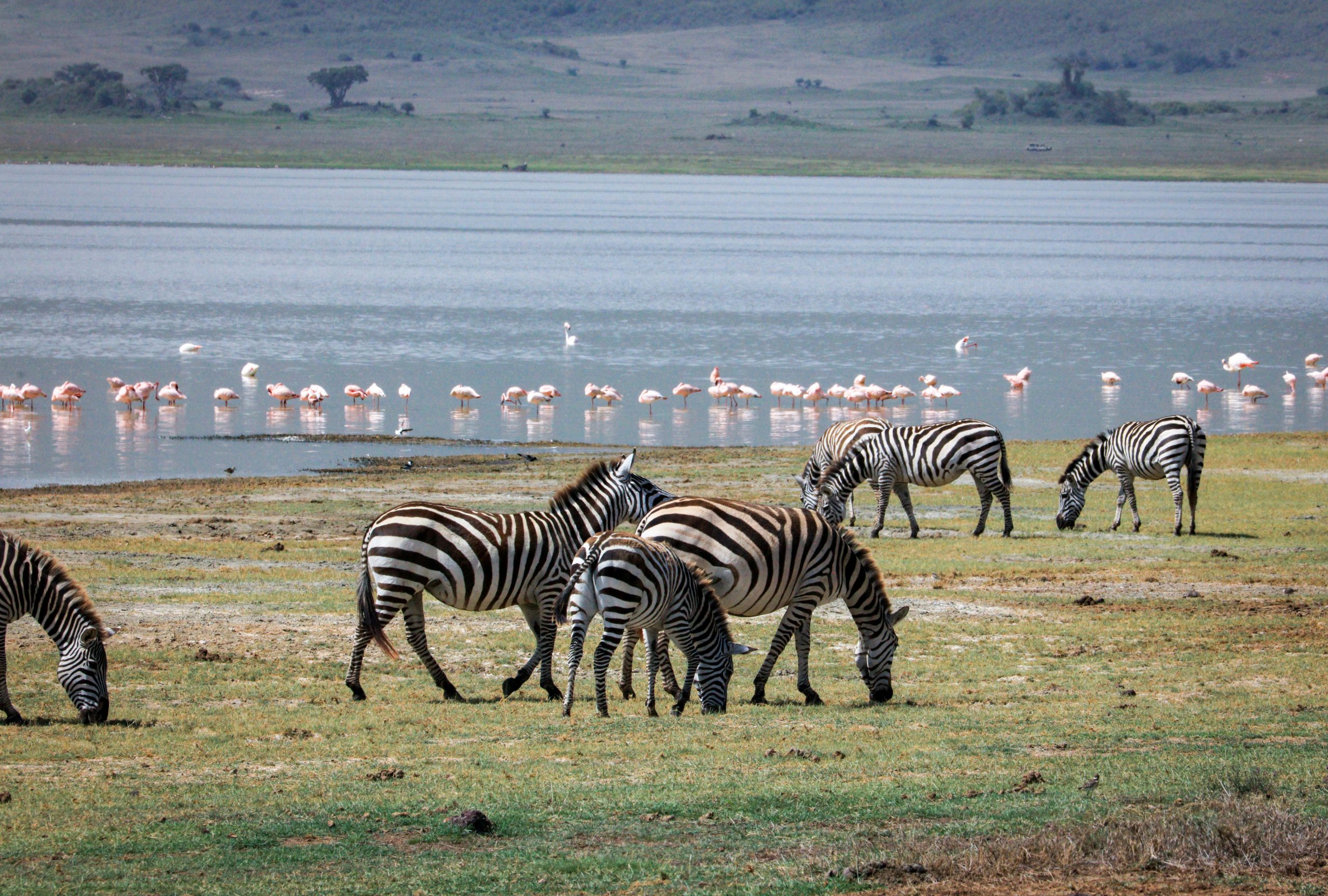
Each year, tens of thousands of plains zebra move between northern Botswana and the Makgadikgadi–Nxai Pan system. It is now recognised as Africa’s second-largest zebra migration, yet it remains far less known than its East African counterpart.
This presents a unique opportunity for Southern Africa’s tourism sector.
Rather than competing directly with established migration circuits elsewhere on the continent, Botswana offers an alternative. One that focuses on space, exclusivity, and a more personal connection to wildlife.
The migration typically unfolds between November and March, aligning perfectly with the region’s green season. This is a period often overlooked by travellers, yet it delivers lush landscapes, dramatic skies, and exceptional photographic conditions. It also spreads tourism more evenly across the year, supporting a more sustainable travel model.
Low-Impact, High-Value Travel
Botswana has built its reputation on a low-impact, high-value tourism approach. The Makgadikgadi zebra migration fits seamlessly into this model.
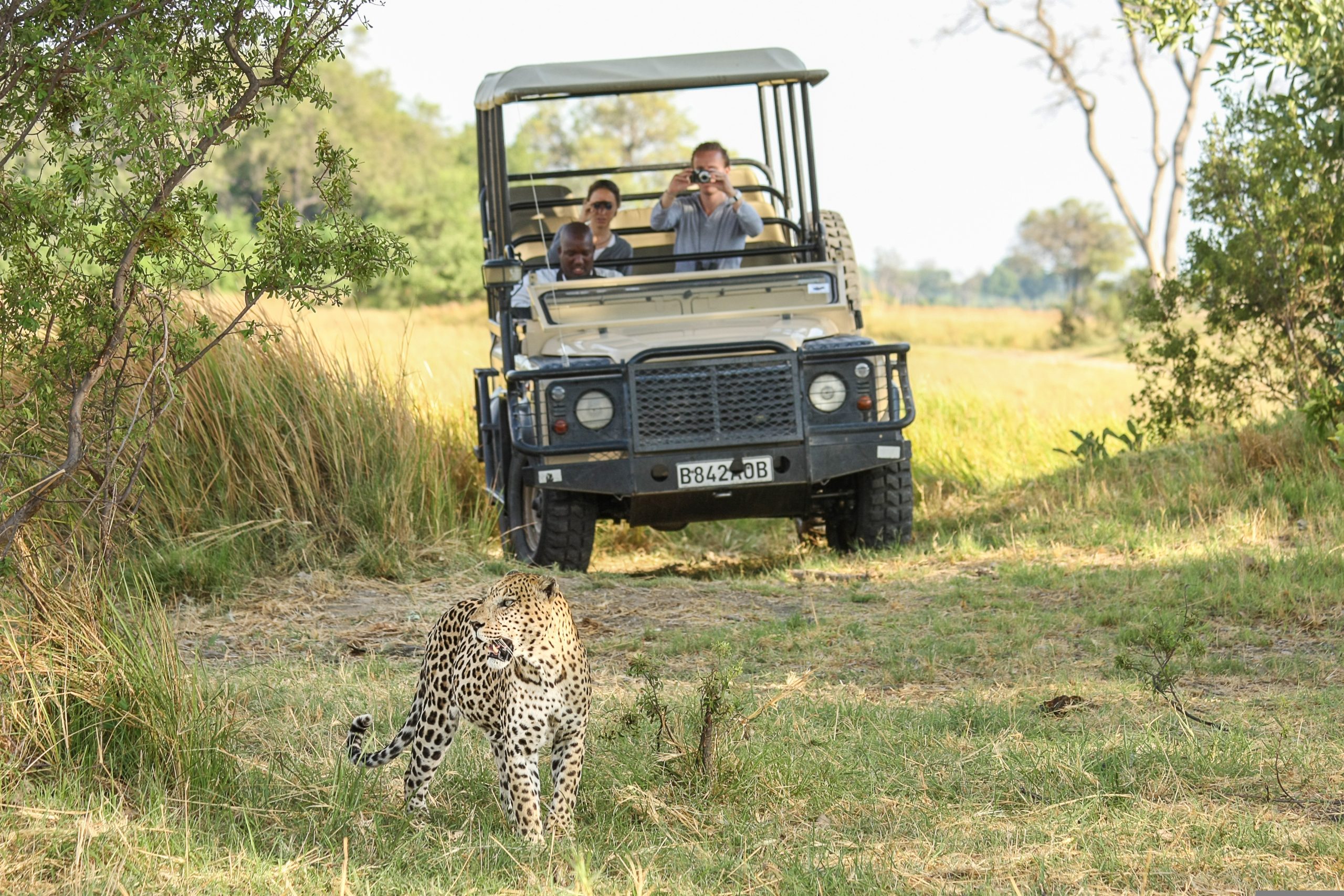
Visitors are not met with crowds or congested viewing points. Instead, the experience is defined by space and exclusivity. A single vehicle may follow a herd across the plains, uninterrupted, with nothing but horizon in every direction.
This style of travel aligns with global shifts in tourism demand. Increasingly, travellers are seeking meaningful, uncrowded experiences that prioritise conservation and authenticity. Southern Africa, and Botswana in particular, is well positioned to meet that demand.
Nxai Pan: A Strategic Tourism Anchor
Nxai Pan National Park sits at the heart of this migration and plays a key role in shaping the visitor experience. Its open grasslands become a focal point for zebra herds during the rainy season, while the iconic Baines’ Baobabs add a distinct visual identity to the landscape.
For Southern Africa’s tourism narrative, destinations like Nxai Pan offer strong differentiation. They combine wildlife, scenery, and a sense of place that is instantly recognisable yet still under-visited.
This balance is critical. It allows the region to expand its tourism footprint without compromising the qualities that make it attractive in the first place.
A Photographer’s and Storyteller’s Destination
The Makgadikgadi migration is not just a wildlife spectacle. It is a visual experience that resonates strongly with modern travel audiences.
Clean horizons, dramatic weather systems, and the striking patterns of zebra create imagery that stands out across digital platforms. For tourism boards, lodges, and travel brands, this kind of content is invaluable. It tells a story of scale, isolation, and natural beauty that is increasingly difficult to find elsewhere.
As Southern Africa continues to position itself globally, destinations that offer strong visual narratives will play a growing role in attracting attention and driving interest.
Expanding the Southern Africa Travel Map
The rise of interest in the Makgadikgadi zebra migration reflects a broader shift in how travellers engage with Southern Africa.
There is a growing appetite for experiences that go beyond the traditional circuit. Travellers are looking to combine iconic destinations with lesser-known regions, creating journeys that feel both comprehensive and personal.
A safari itinerary might now include the Okavango Delta, followed by the stark contrast of the Makgadikgadi Pans. This diversity within a single country, and across the wider region, is one of Southern Africa’s strongest advantages.
A Migration That Signals the Future of Travel in the Region
The Makgadikgadi zebra migration is more than a seasonal event. It is a reflection of where Southern Africa’s tourism industry is heading.
It highlights the value of conservation-led travel, the appeal of uncrowded destinations, and the importance of preserving natural movement patterns that define the region’s ecosystems.
For travellers, it offers a chance to experience something rare and authentic. For the tourism industry, it represents an opportunity to diversify, differentiate, and grow sustainably.
In a region already rich with iconic experiences, the quiet movement of zebra across Botswana’s salt pans stands as a reminder that some of the most powerful travel moments are still waiting just beyond the spotlight.