

Why Switching Off Is the Ultimate Luxury in 2026
The modern traveller is tired.
Not from flying. Not from packing. From notifications.
We live in permanent connection. Messages blink. Emails stack. News refreshes by the second. Even on holiday, the phone rarely rests. That’s why a powerful shift is happening across global travel. People are actively seeking places where signal drops, screens go dark, and silence becomes the soundtrack.
Welcome to the era of off-grid travel.
This is not about roughing it. It’s about resetting.
Remote Cabins: Where Silence Becomes the Experience
Across mountains, forests, and remote coastlines, secluded cabins are redefining luxury. No WiFi. No television. Often no mobile reception.
Instead, there’s woodsmoke. Crisp air. The slow ritual of making coffee without rushing anywhere.
These cabins often run on solar power, harvest rainwater, and operate completely off-grid. But the real appeal is psychological. Without constant digital interruption, time stretches. Conversations deepen. Sleep improves.
Travellers report reading full books again. Watching sunsets without filming them. Waking up with the sun instead of an alarm.
The absence of signal becomes the attraction.
Safari Lodges Without WiFi: Reconnecting With the Wild
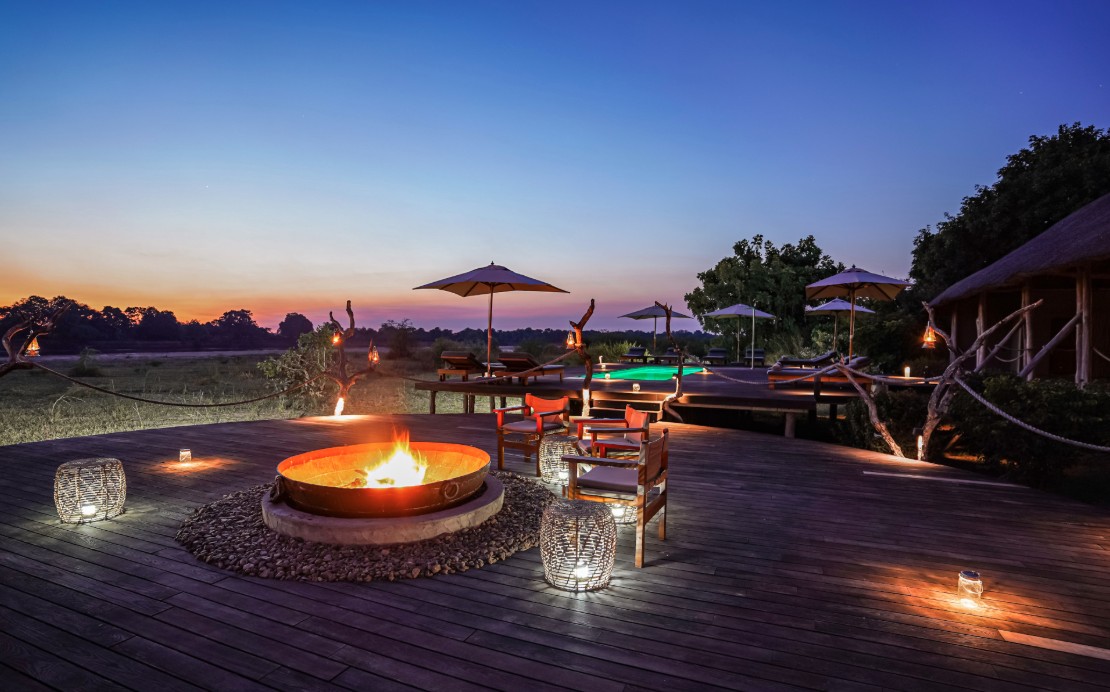
Some of the most sought-after safari experiences now intentionally limit connectivity. In parts of Southern Africa, select lodges offer no in-room WiFi and minimal signal by design.
When you cannot scroll, you start to notice.
The distant call of a fish eagle. The rhythm of hooves moving through dry grass. The shift in light as dusk settles over the savannah.
Game drives feel different when guests are not focused on capturing content. Guides often say sightings last longer and conversations run deeper when phones stay tucked away.
Around the fire at night, strangers talk like old friends. Stories replace screens.
In these settings, nature becomes the only feed that matters.
Island Hideaways: Nowhere To Be, Nothing To Prove
On remote islands, the concept of urgency disappears.
No traffic. No deadlines. Often no reliable internet.
Days revolve around tides, not time zones. Morning swims replace inbox checks. Barefoot dinners replace business calls.
Many island retreats intentionally restrict connectivity in communal spaces. Guests are encouraged to unplug and stay present.
The result is a subtle but powerful shift. Anxiety drops. Attention returns. Couples reconnect. Families talk more. Even solo travellers rediscover their own thoughts.
Digital detox is not deprivation. It is relief.
Why Tech-Free Travel Is Surging
The rise of off-grid escapes reflects a broader cultural need. Studies continue to link excessive screen time to stress, poor sleep, and reduced focus. Travel now serves as an antidote.
Switching off delivers:
- Deeper rest and better sleep
- Stronger personal connection
- Heightened sensory awareness
- Reduced stress and mental fatigue
For many, it feels like regaining control over attention.
Luxury is no longer defined only by thread count or infinity pools. It is defined by peace.
How To Prepare For a Digital Detox Trip
Going off-grid requires a small mindset shift.
Download maps in advance. Inform family you may be unreachable. Set an out-of-office reply that clearly states you are offline.
Then allow yourself to surrender to it.
The first day might feel uncomfortable. By day three, most travellers feel lighter.
By the end of the trip, many question why they stay so connected at home.
The Future of Travel Is Intentional
Off-grid escapes are not a passing trend. They reflect a deeper movement toward intentional travel.
Travellers are choosing places that nourish rather than stimulate. Spaces that calm rather than compete. Experiences that linger long after the battery icon fades.
In a world that never stops talking, the rarest experience is silence.
And right now, silence is selling out fast.




The editorial team at Destination Southern Africa brings you the most comprehensive travel intelligence for Southern Africa. With decades of combined experience in African tourism, we cover everything from hidden gems to practical travel tips for international visitors.