

A gentle way to experience wildlife, water, and coastal life at an unhurried pace
Kayaking through Southern Africa’s coastal lagoons and estuaries offers a calm and rewarding way to explore the region’s shoreline. These sheltered waters suit travelers who value quiet movement, close wildlife encounters, and time outdoors without pressure. From South Africa to Namibia, lagoons and estuaries create space to slow down and observe the coast from a new angle.
This style of paddling focuses on awareness rather than speed. The water is usually flat, routes are manageable, and the setting encourages attention to detail, from bird calls to shifting tides.
Why coastal lagoons and estuaries work so well for paddling
Lagoons and estuaries are protected from strong ocean swell, which makes them ideal for kayaking and canoeing. Conditions are often stable, and entry points are easy to access. This suits beginners while still appealing to experienced paddlers who enjoy observation and photography.
These areas sit where rivers meet the sea. That mix of fresh and salt water supports fish, birds, and plant life. Kayakers move quietly at water level, which allows for close but respectful viewing of wildlife.
St Lucia Estuary: A stronghold for birdlife
The St Lucia Estuary in iSimangaliso Wetland Park is one of the largest estuarine systems in Africa. Kayaking here is guided and carefully managed due to the presence of hippos and crocodiles, a reminder of why paddlers drawn to closer encounters with these animals often look further north to river journeys in Zambia and Botswana.
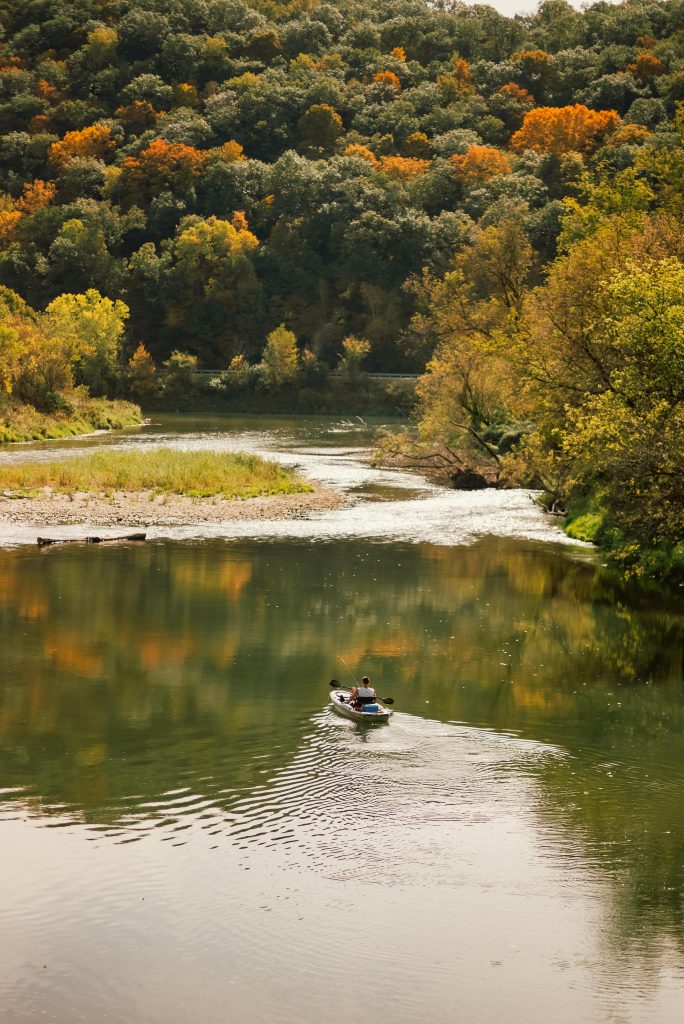
Early mornings are best, with cooler air and active birdlife. Fish eagles, pelicans, and herons are common sights. The scale of the estuary feels open without feeling exposed, and guided trips add valuable insight into the area’s ecology.
Knysna Lagoon: Accessible and rewarding
Knysna Lagoon is popular for good reason. It sits close to town, yet the water feels calm and spacious. Kayaking routes pass reed beds, sandbanks, and oyster farms, offering variety within a short distance.
Tides shape each outing. High tide creates wide channels and smooth paddling. Low tide reveals feeding areas for birds and quiet corners to explore. This lagoon suits short paddles and relaxed half day outings.
Kosi Bay Estuary: Where water and culture connect
The Kosi Bay estuary system near the Mozambique border links lakes, channels, and the ocean. Kayaking here is as much about people as place.
Traditional fish traps still operate in the water, managed by local communities. Guided paddles explain how fishing customs work and why they matter. The pace is slow, and the setting encourages respect and curiosity rather than distance covered.
Walvis Bay Lagoon: Coastal calm in Namibia
Walvis Bay Lagoon stands out in a country better known for desert scenery. The lagoon is shallow and sheltered, making it suitable for steady paddling.
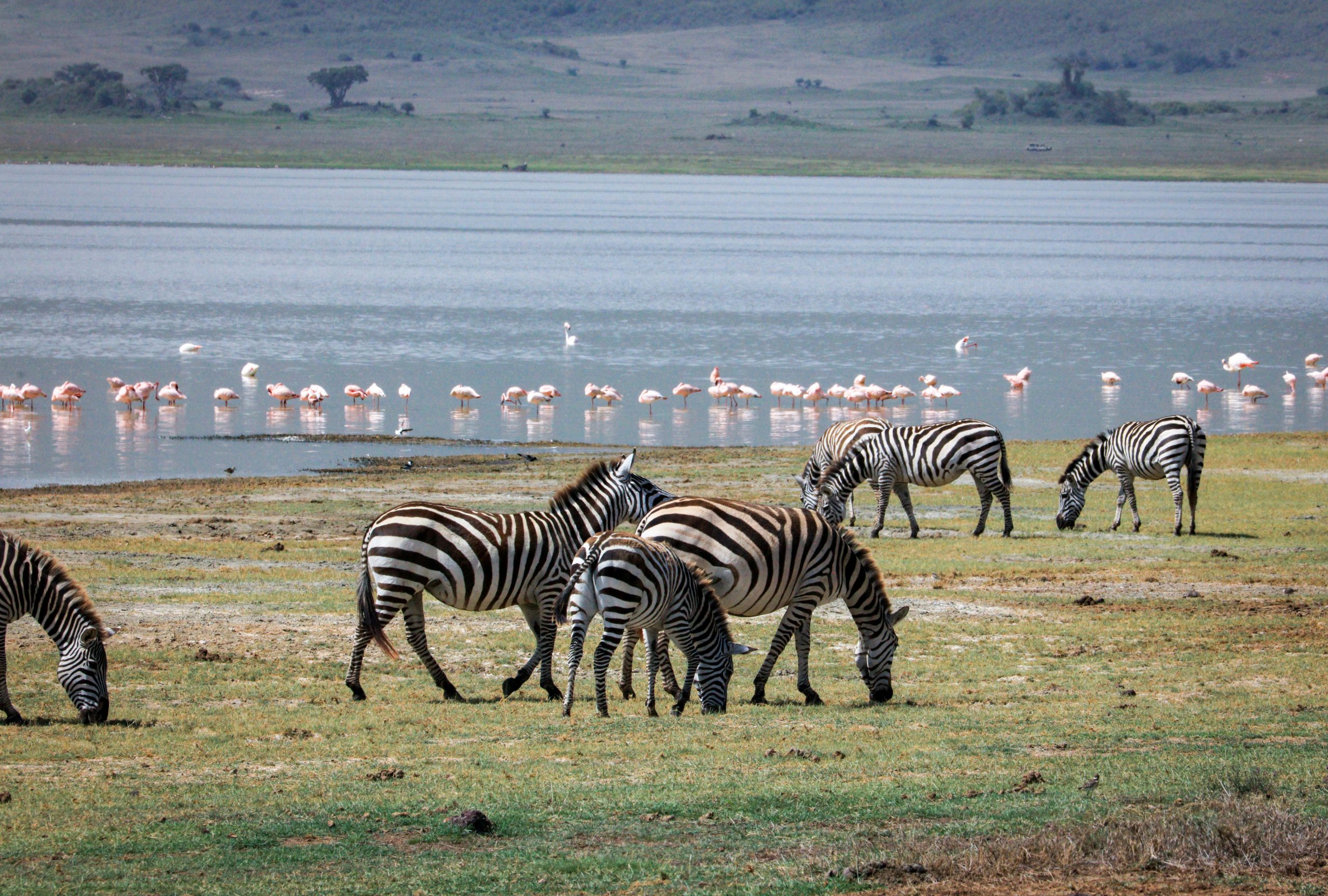
Flamingos and other wading birds feed in the shallows, often close to kayaks. Trips are guided to ensure minimal disturbance. The contrast between open sky, still water, and birdlife makes this one of Namibia’s most unusual coastal experiences.
What to expect on a lagoon or estuary paddle
Most trips last between one and three hours. Paddlers should expect gentle movement, quiet surroundings, and frequent pauses to observe wildlife. Guides often share information about tides, birds, and local conservation efforts.
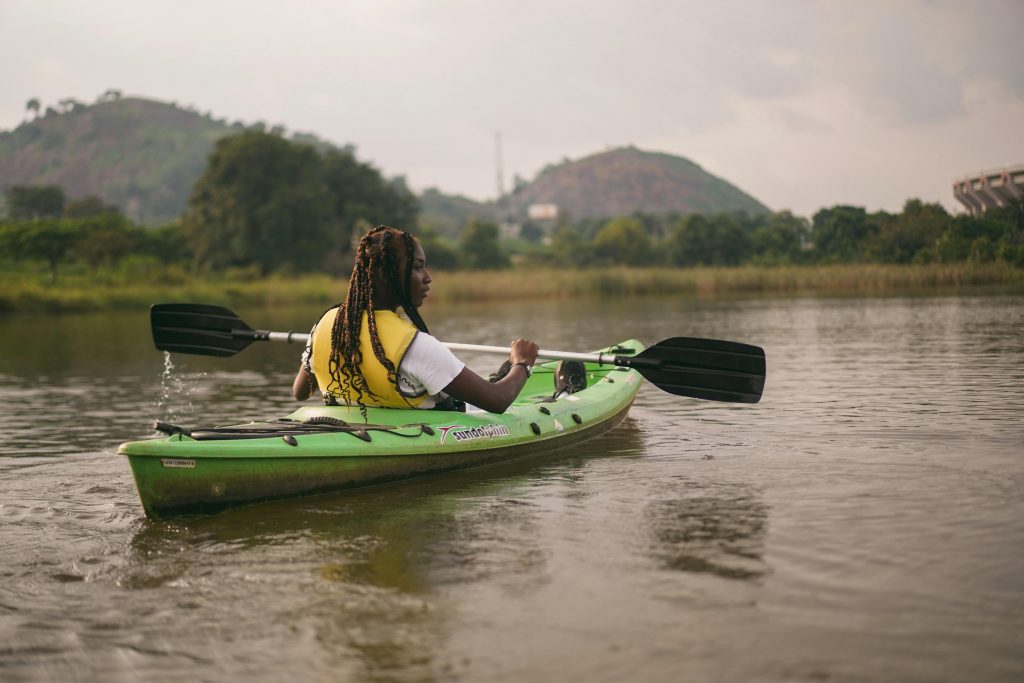
Early mornings usually offer the best conditions. Calm water and softer light improve both comfort and wildlife viewing. Basic fitness is enough, and safety briefings are standard in protected areas.
Why this style of kayaking appeals to many travelers
Kayaking in coastal lagoons and estuaries suits travelers who prefer nature without noise or crowds. These paddles are not about distance or difficulty. They are about noticing what happens at water level.
Across Southern Africa, these sheltered waters provide meaningful access to coastal environments while keeping impact low. For those seeking calm, clarity, and connection, lagoon and estuary kayaking remains one of the region’s most rewarding outdoor activities.




The editorial team at Destination Southern Africa brings you the most comprehensive travel intelligence for Southern Africa. With decades of combined experience in African tourism, we cover everything from hidden gems to practical travel tips for international visitors.