

Zimbabwe often enters the travel conversation through Victoria Falls, Hwange, and Mana Pools. Yet some of my most memorable journeys in the country have unfolded far from the headline attractions. These are places where you share a sunrise with fishermen on Lake Kariba, where small towns still greet visitors by name, and where game drives come without convoys of vehicles.
Current Southern Africa travel trends lean toward slow travel, community led stays, and nature experiences with breathing room. Zimbabwe answers this call with ease. Beyond the well known parks sits a collection of lesser visited regions that offer space, culture, and deeply rewarding wildlife encounters. These are a few that continue to pull me back.
Matusadona National Park and Lake Kariba’s Wild Shore
Most travelers reach Lake Kariba for houseboats and sunset cruises. Few venture to Matusadona National Park, which hugs the lake’s southern shore. I first visited on a small boat transfer from Binga, arriving at a simple camp shaded by sausage trees.
Matusadona delivers classic safari scenes without crowds. Buffalo move through open woodland, elephant feed along the water’s edge, and lions rest in tall grass close to camp. On one early morning walk, our guide pointed out fresh leopard tracks beside the shoreline, then stopped so we could watch a fish eagle lift from a dead tree with its catch.
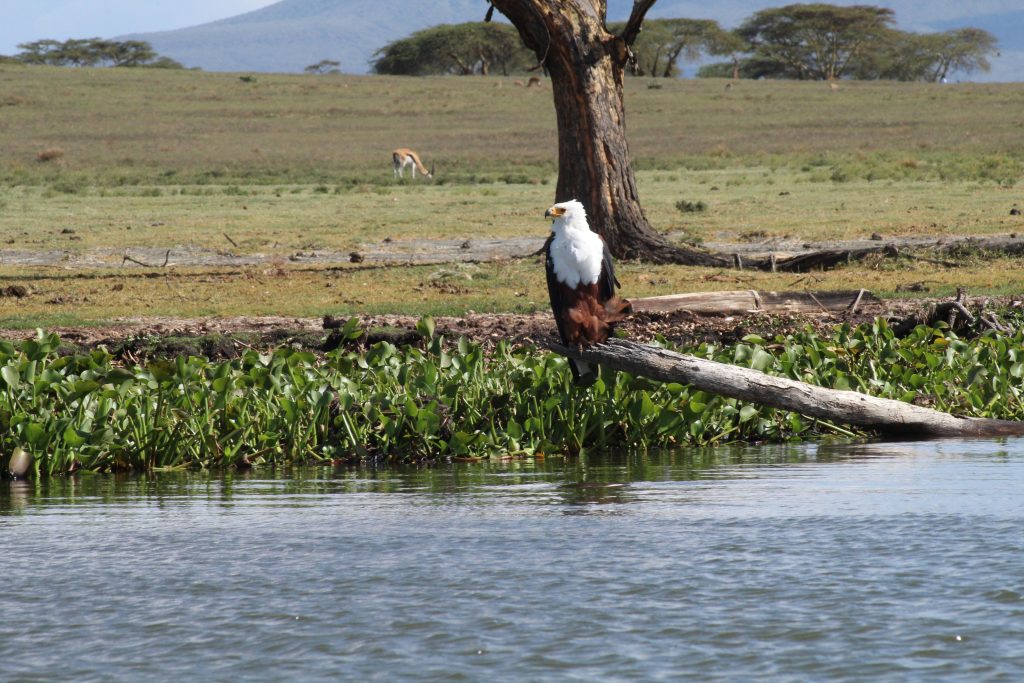
What sets Matusadona apart is the mix of lake and bush. You can spend mornings on foot or in an open vehicle, then swap to boat safaris in the afternoon. Local Tonga communities nearby offer cultural visits that feel genuine, from fishing demonstrations to shared meals of kapenta and sadza.
Tips for your online search: Matusadona National Park safaris, Lake Kariba wildlife, and Tonga village visits.
Gonarezhou, Zimbabwe’s Remote Southeast
Gonarezhou remains one of Southern Africa’s great under the radar parks. Tucked into the country’s far southeast, it forms part of the Great Limpopo Transfrontier area alongside Kruger and Limpopo National Park.
I reached Gonarezhou on a long self drive from Masvingo, crossing rivers and wide plains before arriving at Chilo Gorge. The reward came fast. Large elephant herds moved between sandstone cliffs, wild dogs trotted along dry riverbeds, and birds filled the fever tree groves.
The Chilojo Cliffs are the park’s calling card. I watched the sun rise over them from a quiet viewpoint, with no other visitors in sight. That sense of space defines Gonarezhou. Camps are few, roads are rough, and sightings feel earned.
For travelers who enjoy self drive adventures or small, owner run lodges, Gonarezhou offers one of Zimbabwe’s most authentic safari experiences.
Tips for your online search: Gonarezhou National Park, Chilojo Cliffs, Zimbabwe self drive safari.
Eastern Highlands, Cool Air and Forest Trails
Zimbabwe’s Eastern Highlands stretch along the border with Mozambique, offering a welcome change of pace from the lowveld. Think misty mornings, mountain streams, and forest walks instead of dust and heat.
Nyanga, Vumba, and Chimanimani each bring their own character. In Nyanga, I followed trout filled rivers to waterfalls hidden in pine forests. In Vumba, botanical gardens and tea estates framed lazy afternoons. Chimanimani delivered rugged hiking routes with views across deep valleys.
This region suits travelers looking for wellness escapes, soft adventure, and boutique lodges. Recent years have also seen a rise in farm stays and guided walking trails, which adds depth to any visit.
Tips for your online search: Eastern Highlands Zimbabwe, Nyanga hiking, and Chimanimani Mountains.
Matobo Hills, History and Rhino Tracking
Just outside Bulawayo, the Matobo Hills combine dramatic granite formations with rich cultural heritage. Ancient San rock art shelters dot the area, while Cecil John Rhodes’ grave draws history fans.
My strongest memory here comes from a guided rhino tracking walk. On foot, we followed white rhino through mopane woodland, learning about conservation efforts that protect one of Zimbabwe’s most successful breeding populations. Standing quietly a few meters from these animals is humbling in a way that vehicle safaris rarely match.
Matobo also offers excellent birding and short hiking routes, making it ideal for travelers who enjoy mixing wildlife with history.
Tips for your online search: Matobo Hills rhino tracking, Bulawayo day trips, Zimbabwe rock art.
Binga and the Zambezi Backwaters
On Lake Kariba’s western edge, Binga remains refreshingly low key. This lakeside town serves as a gateway to quiet bays and fishing villages where life still revolves around the water.
I spent time here with a local guide who introduced me to Tonga elders, showed me traditional drum making, and arranged boat trips to hidden coves. Sunsets came with smoked fish and stories shared around open fires. It felt far removed from polished resort travel, and that is exactly why it stays with me.
Tips for your online search: Binga Lake Kariba, Tonga culture Zimbabwe, and Kariba backwaters for trip ideas.
Planning Your Trip to Zimbabwe’s Hidden Gems
Zimbabwe rewards travelers who move beyond the main routes. Domestic flights link Harare, Bulawayo, Victoria Falls, and Kariba, while self drive journeys open access to places like Gonarezhou and the Eastern Highlands. Dry season brings easier wildlife viewing. Green season offers lower rates, fresh scenery, and fewer visitors.
Pack for changing conditions, carry cash for rural areas, and allow extra days for slow travel. Some of the best moments come from unplanned stops at roadside markets or village cafes.
Hidden gems in Zimbabwe are not about ticking famous sights. They are about quiet camps, long conversations with guides, and regions where tourism still feels personal. After years of reporting across Southern Africa, these are the experiences that remain long after the journey ends.




The editorial team at Destination Southern Africa brings you the most comprehensive travel intelligence for Southern Africa. With decades of combined experience in African tourism, we cover everything from hidden gems to practical travel tips for international visitors.