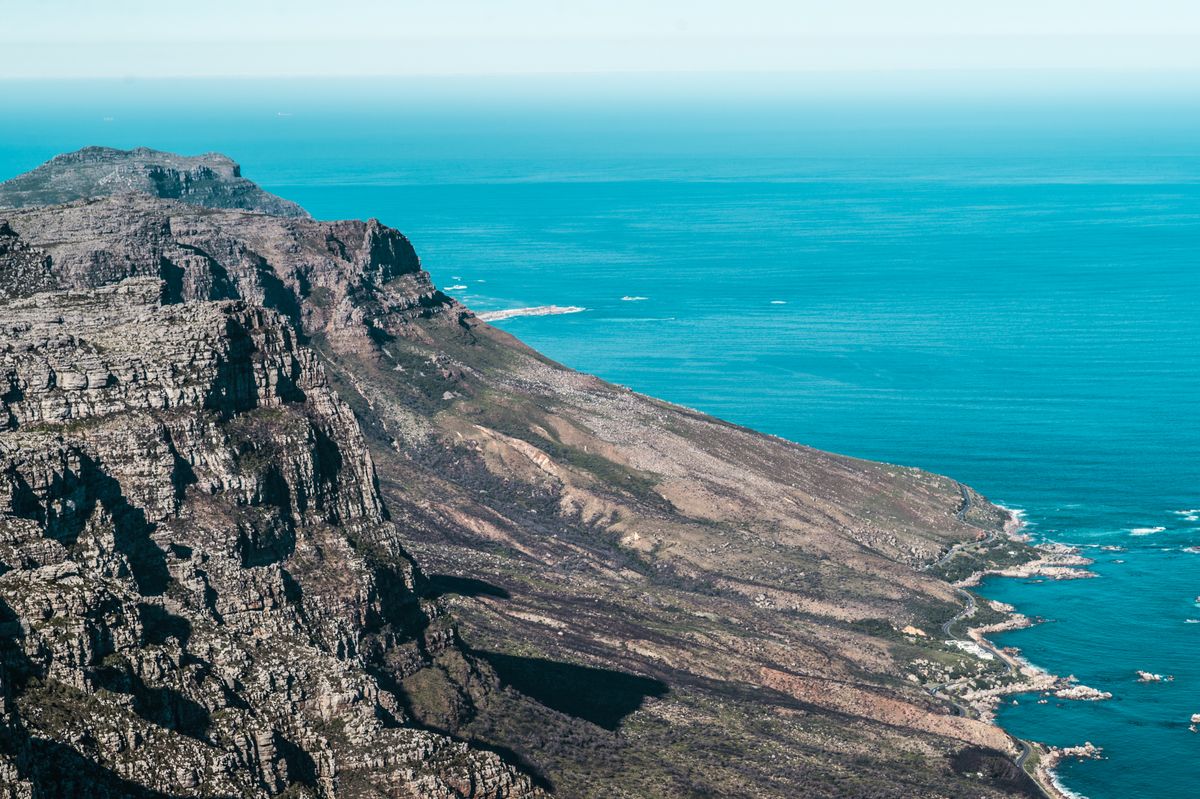


South Africa is famous for Kruger, Sabi Sand, and Addo, yet some of its most extraordinary wildlife encounters happen far from the crowds. Beyond the headline parks lies a network of lesser-known reserves where biodiversity thrives, safari vehicles are few, conservation is personal, and every sunrise feels like your own private moment. These hidden safari gems offer something rare in the modern tourism landscape: wild spaces that still feel genuinely wild.
Kgalagadi Transfrontier Park

Far from the busy safari corridors of northeastern South Africa, the Kgalagadi offers an entirely different kind of wilderness. The red dunes stretch out for kilometres, broken only by thorn trees, dry riverbeds, and the unmistakable silhouettes of black-maned Kalahari lions. Unlike the lush, green savannahs of the Lowveld, the Kgalagadi is stark and dramatic, shaped by desert winds and long horizons.
The wildlife experience is intense. Predators are abundant and highly visible due to the open terrain. Cheetahs hunt along the Auob River, brown hyenas trot along dune crests at dawn, and raptors circle overhead throughout the day. It is a landscape that makes you feel small, and that is exactly its magic.
Visitors who appreciate solitude, dramatic landscapes, and exceptional predator sightings often consider this park one of the best safari destinations in the entire region.
Mapungubwe National Park
Situated where South Africa, Botswana, and Zimbabwe meet, Mapungubwe is both a natural wonder and a cultural landmark. This is the heart of the ancient Mapungubwe Kingdom, one of Africa’s earliest sophisticated civilisations. Today, it is a UNESCO World Heritage Site offering breathtaking sandstone formations, baobab forests, and sweeping views over the Limpopo River.

Game viewing includes elephants moving between riverine forests, leopards that stalk rocky outcrops, and an abundant birdlife population, especially during the summer months. Yet what truly sets Mapungubwe apart is its atmosphere. There is a deep sense of history here. The silence feels older, the landscapes seem carved by more than just wind and time, and the park carries a reverence that is hard to find elsewhere.
Madikwe Game Reserve
Despite being South Africa’s fifth-largest reserve, Madikwe still flies under the radar for many travellers. It has no self-driving visitors, meaning the safari experience is quieter and more controlled than many public parks. Set in the transition zone between the Kalahari and the bushveld, Madikwe supports an extraordinary diversity of species.

The reserve is known for its strong populations of wild dogs, which are among the most exciting predators to watch on the hunt. Elephants are plentiful, lions are well-established, and the reserve is one of the best places in South Africa to see both brown and spotted hyena on the same drive.
Because Madikwe is malaria-free, family-friendly, and remarkably scenic, it is ideal for travellers who want the luxury of a private reserve without the over-commercialisation that affects more popular safari regions.
Mkhuze Game Reserve
Tucked inside the larger iSimangaliso Wetland Park, Mkhuze is one of KwaZulu-Natal’s most underrated safari destinations. It is ancient, biodiverse, and visually varied, with fever tree forests, sand forests, pans, and acacia savannahs supporting a surprising array of wildlife.

The reserve has long been known to birders as a premier destination, yet its big game viewing is equally rewarding. Lions and cheetahs roam widely, rhinos gather at pans in the late afternoons, and elephants have become increasingly visible over the past decade.
One of Mkhuze’s standout features is its photographic hides. These hides bring you eye-level with wildlife, letting you watch elephants drinking only metres away or observe the behaviour of shy species that rarely tolerate vehicle presence. It is one of the most immersive wildlife experiences in the country.
Tswalu Kalahari
Tswalu is South Africa’s largest private game reserve, but it remains one of the best-kept secrets in luxury conservation travel. Its vastness is extraordinary. Red dunes, golden grasses, and the Korannaberg mountains create a landscape unlike anywhere else in the country.

Because of its size and conservation focus, Tswalu offers sightings unlikely in most typical safari regions. Pangolins are seen more frequently here than almost anywhere else on earth. Brown hyenas are common. Meerkat families have been habituated to allow close, respectful observation.
The lodge experience is deeply tied to the reserve’s conservation ethos. Guest numbers are deliberately limited, giving both animals and visitors space. Guides tailor each day to specific interests, whether that is tracking black-maned lions on foot or photographing aardvark at dusk. It is exclusive, but its exclusivity serves a purpose: restoring and protecting the Kalahari ecosystem.
Why These Hidden Gems Matter
South Africa’s lesser-known reserves serve as vital ecological buffers. They protect migration routes, genetic diversity, and entire biomes that would otherwise be vulnerable. Travelling to these under-visited destinations helps distribute tourism revenue more evenly and supports conservation projects often run on tight resources.
For travellers, the reward is profound. Smaller lodges, fewer vehicles, and vast open spaces make safari feel intimate again. The animal encounters are purer, the landscapes more immersive, and the experience far more personal than in crowded flagship parks.
The next chapter of South African safari travel is not defined by bigger resorts or record visitor numbers. It is shaped by travellers seeking authenticity, meaningful conservation impact, and the privilege of experiencing nature without the noise of the world.
From the red dunes of the Kalahari to the sacred hills of Mapungubwe and the quiet pans of Mkhuze, South Africa’s hidden safari gems invite you to rediscover the wild as it was meant to be experienced.




The editorial team at Destination Southern Africa brings you the most comprehensive travel intelligence for Southern Africa. With decades of combined experience in African tourism, we cover everything from hidden gems to practical travel tips for international visitors.