

There’s a moment in Kruger that feels almost sacred. It’s that hushed breath before dawn, when the bush still dreams under a blanket of mist and the first lilac streaks of morning touch the horizon. You sit quietly, coffee in hand, listening — to the gentle crackle of the campfire, to the distant roar of a lion claiming the night, and to the symphony of awakening life that can only be described as the heartbeat of Africa itself.
My first visit to Kruger National Park was meant to be a weekend escape. It turned into a pilgrimage. Stretching over 19,000 square kilometres — roughly the size of a small country — Kruger is not just South Africa’s premier wildlife reserve; it’s a living, breathing canvas of nature’s untamed masterpiece.
The Call of the Wild
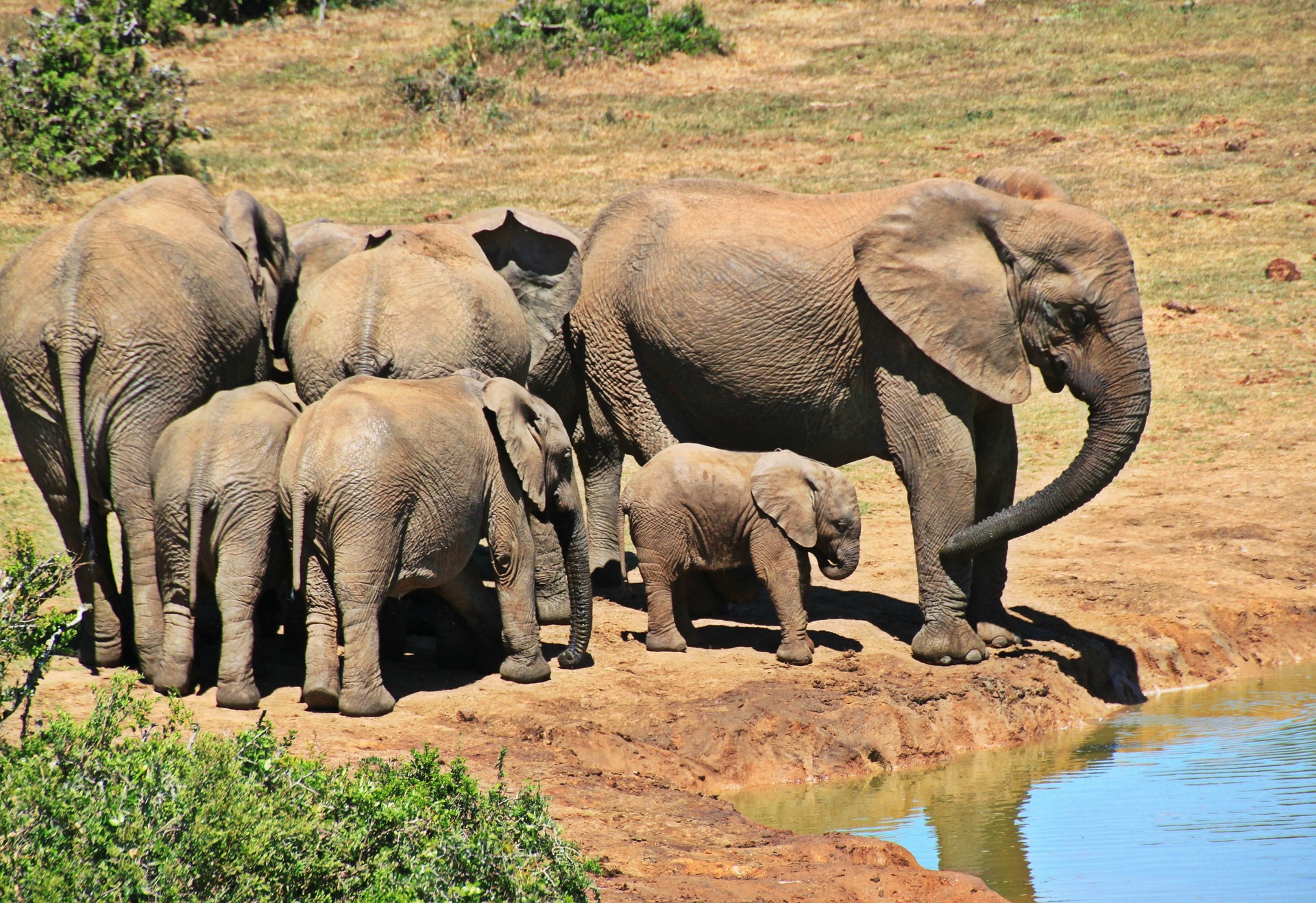
No photograph or documentary quite prepares you for your first close encounter. One morning near Lower Sabie, an elephant bull emerged silently from the mopane trees, his sheer presence stopping time. Later, a pride of lions lazed on the tar road, their golden coats gleaming in the sun, completely unbothered by our small convoy of awestruck humans.
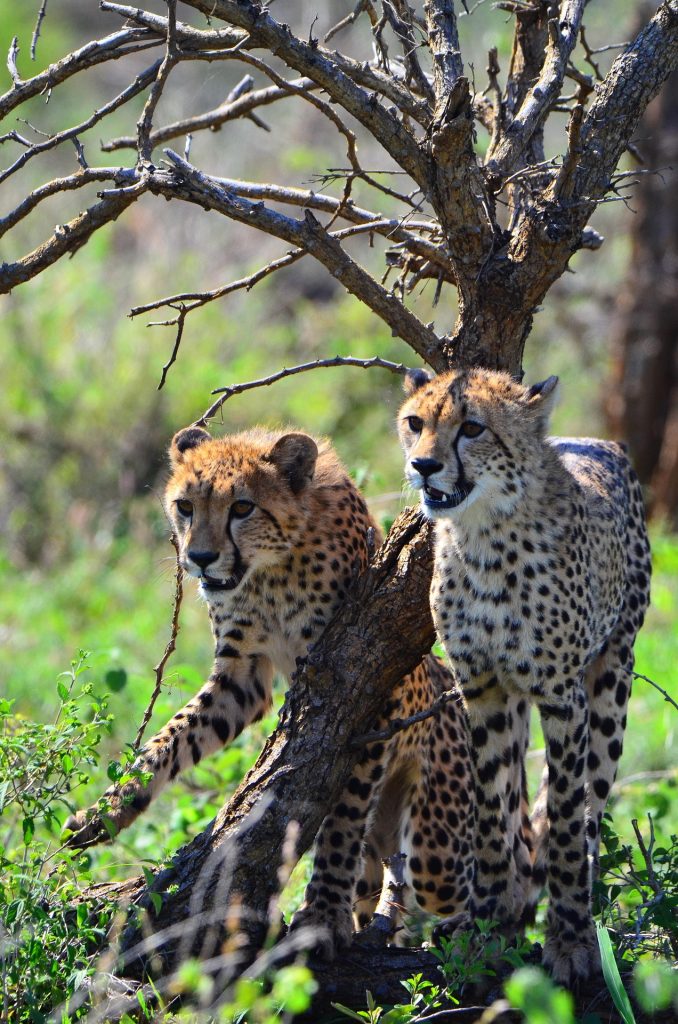
Game drives — whether guided or self-driven — are the essence of the Kruger experience. From the leopard-rich stretches of the Sabi River to the birding paradise near Pafuri in the far north, every turn of the dirt road promises new wonder. There’s an undeniable rhythm to the days here: the thrill of the sunrise drive, lazy afternoons by the pool, and the evening braai beneath a starlit sky that feels close enough to touch.
A Taste of the Bush
Food at Kruger is a story of its own. Each rest camp has its character — and its flavours. At Skukuza, the largest camp, you can savour hearty breakfasts overlooking the Sabie River, where hippos snort and fish eagles cry. Satara’s restaurant serves up delicious flame-grilled meals with the smell of wood smoke drifting through the air, while Olifants offers panoramic dining above the river, where elephants gather below like moving grey stones.
But the best meals, I’ve found, are often the simplest — boerewors sizzling on a portable braai, a cold drink in hand, and laughter echoing across the camp as the sun dips low. There’s something profoundly grounding about cooking under the open sky, where even the smallest flame feels like part of an ancient ritual.
Monuments and Memories
Kruger isn’t just about wildlife; it’s a place layered with history and memory. Near Letaba, the Elephant Hall Museum pays tribute to the park’s legendary tuskers — great bulls like Shawu, Duke, and Mafunyane, whose massive ivory tusks became symbols of endurance and grace. The Albasini Ruins near Phabeni Gate tell tales of 19th-century trade, while the Stevenson-Hamilton Memorial honors the man often called “the father of Kruger.”
For me, one of the most moving places is the Crocodile Bridge region, where a quiet monument stands for rangers who lost their lives protecting the park’s wildlife. It’s a solemn reminder that this wilderness, as free and open as it feels, is fiercely protected by those who love it most.
Reflections by Firelight
On my last evening, I sat outside my bungalow at Pretoriuskop, the oldest camp in the park. The air was warm and still, filled with the hum of crickets and the faraway whoop of hyenas. I thought about how Kruger changes you — how it slows your pulse, sharpens your senses, and humbles you before the vastness of life itself.
There’s a saying among the rangers: “Once the dust of Kruger has settled on your heart, you will never be the same again.”
They’re right. Because long after the last safari, the memories of Kruger linger — in the rustle of leaves, in the echo of lion calls at dusk, and in that indescribable feeling that you’ve touched something eternal.




The editorial team at Destination Southern Africa brings you the most comprehensive travel intelligence for Southern Africa. With decades of combined experience in African tourism, we cover everything from hidden gems to practical travel tips for international visitors.


