

A first African safari is not any other form of travelling. Days are based on wildlife activity, early mornings and outdoor spending. Southern Africa is the most appropriate region when one wants to start off since one gets good wildlife viewing with the reliable travel systems as well as a high variety of safari style.
It is a guide on how, where and how much to pay and what to expect on a safari in order to first time visitors to plan without much worry.
Southern Africa Is the BEST place for your first Safari.
Southern Africa is structured but does not strip it of the discovery. National parks and reserves owned by individuals are well managed, and the guides are well trained safari guides. The English language is very popular in the region and this has made the first time travelers feel that they are at home right after arriving in the region.
Another advantage is choice. The visitors are able to choose guided lodge safaris, self drives, or both. It is also possible to include safari with city stay, beaches, wine areas or other major natural attractions to make the trip balanced.
Top Safari Destinations as a beginner:
South Africa
South Africa is the quickest place to begin with. The Kruger national park is a large wildlife park in Africa and where the Big Five can be found. Tourists have the opportunity to tour the park on their own through the use of the public roads or in the surrounding private reserves which have the guided game tours. In the private reserves, one can view the game more flexibly, off-roading and limited numbers of vehicles within the areas of sightseeing. There is also very good domestic flight in South Africa and it is easy to include Cape Town, the Winelands or coast to a safari itinerary.
Botswana
Botswana is characterized by the presence of secure wildlife reserve and few visitors. Its prime safari area is the Okavango Delta, which has both land and water-based activities. The activities of game drives are supplemented with boat safaris and canoe journeys along shallow waterways. Majority of lodges are on an all-inclusive package that includes accommodation, meals, activities and park fees. This simplifies the budgeting process, but the night rates are more expensive than in South Africa. Botswana fits in with people who desire an intensive safari experience in isolated places.

Namibia
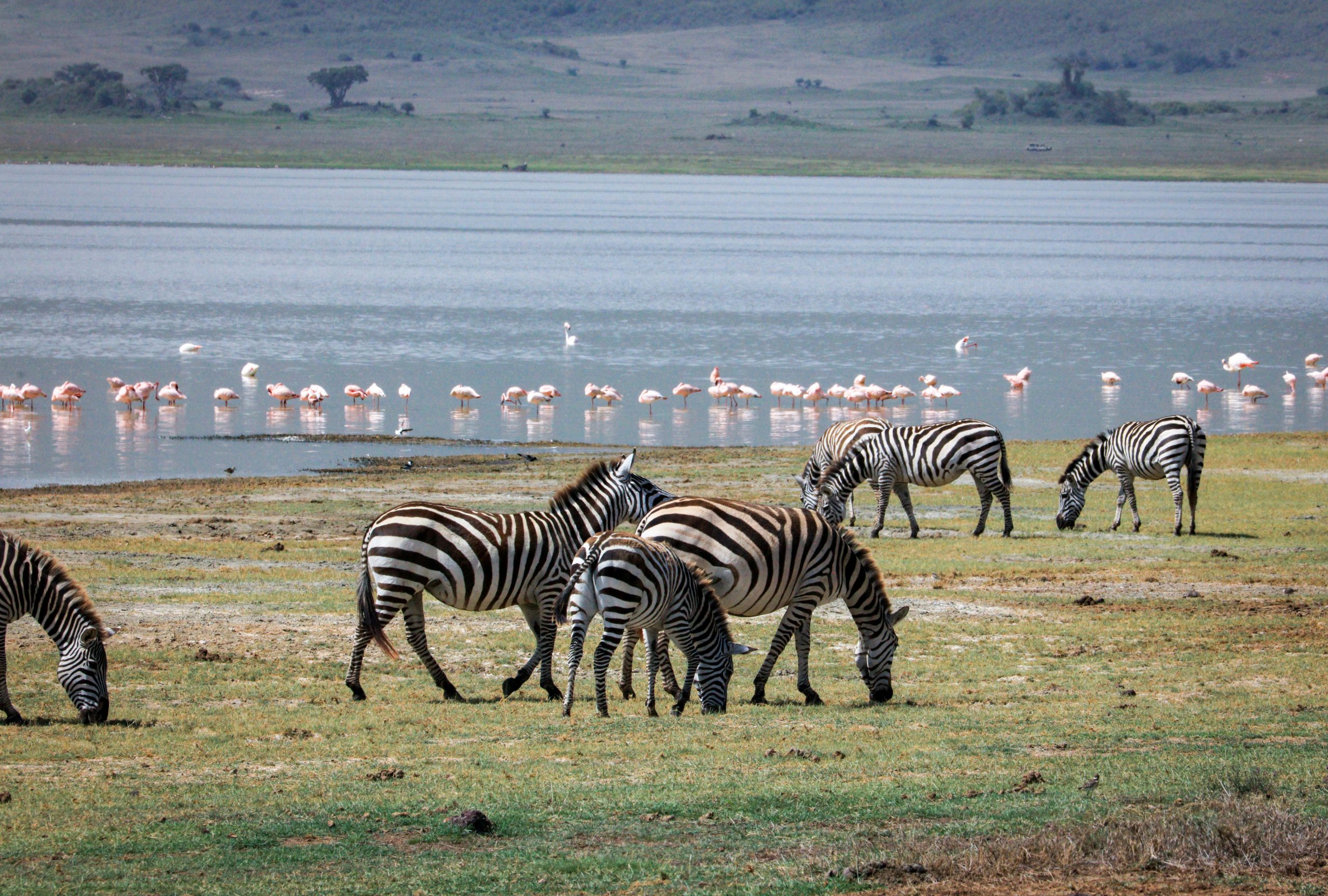
In Namibia, there is more autonomous safari. The primary wildlife park is Etosha National Park, which is it is accessible by road. Animals are concentrated at waterholes and therefore beginners can easily see them. A huge number of visitors prefer to do it on their own and combine safari areas with deserts, coastal cities and lengthy scenic roads. Namibia is also good in road trip and photography thus safari is a part of a wide trip.
Zimbabwe
Zimbabwe also provides traditional safari experience with a high guiding culture. Hwange National Park is the biggest wild animal habitat and is prone to the populations of the elephants and diverse habitats. Close by is Victoria Falls which is frequently added before or after safari. Zimbabwe is able to have good value guided safaris and it will attract those who seek good wildlife knowledge of experienced guides.
Understanding Safari fees
Prices of the safari are based on the location, season of the year, and the type of accommodation. The greatest price range is in South Africa. Low-price lodges and self-drive are typical, whereas the use of the private reserves is more expensive and includes guided activities. Botswana and Zimbabwe are in the middle and high range. Most of the lodges cover the costs of meals, game drives and park fees and this makes it easy to plan. Namibia can be a good free-value destination, particularly when it comes to self-driving tourists who prefer mid-range accommodation. International flights are generally not part of this and can constitute a significant portion of the total cost.
Best time of year to go on Safari
The dry season lasts between May and October and is the most preferable season to safari. Animals are concentrated around the water bodies and the vegetation is less dense and this enhances visibility. The warmer seasons between November and April are greenery and less tourist. Other regions have a cheaper rate during this season. There is still wildlife although it may take more time to view it. Due to the lack of experience in safari traveling, the dry season is the most guaranteed experience to first-time travelers.
What you can expect on Safari
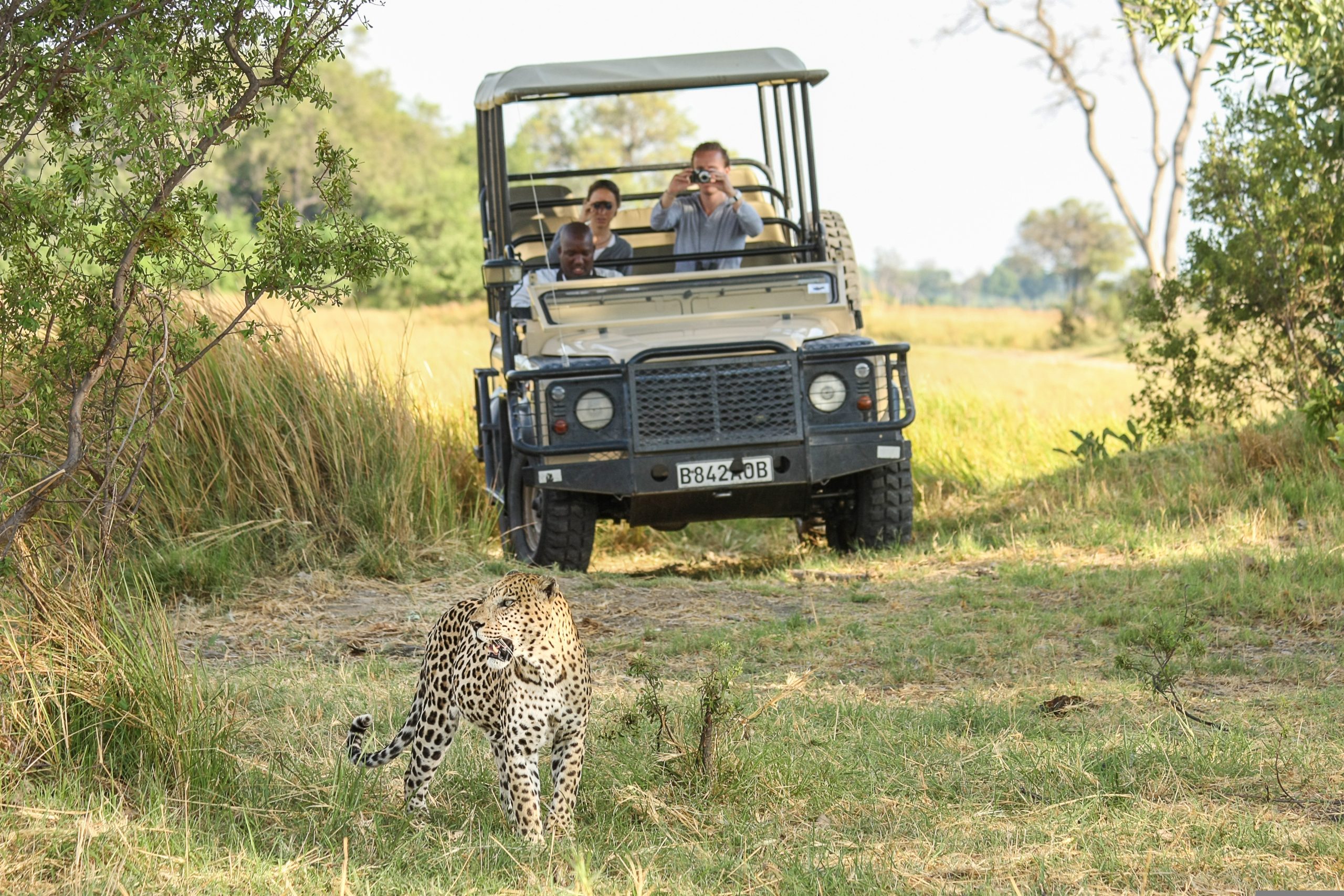
Safari days start early. Morning game drives start at the sunrise and take a few hours. And this is the time when animals are the most active. The midday is relaxed after breakfast and allows one to rest. Later afternoon drives go out and can come back after sunset with the use of spotlights to search nocturnal animals. There are lodges that have guided walks, which revolve around animal tracks, plants and smaller animals. Their safety is put first and guests will abide by the instructions given by the guide.
Essentials to Pack for a Safari
Packing for safari is simple. The neutral colour clothes ensure that they blend in with the surrounding. Layers come in handy when it is cold in the morning and hot in the afternoon. Closed shoes, hat, sunscreen and insect repellent are important. Wildlife can be more easily viewed with the aid of binoculars particularly when the distance is great. A majority of lodging facilities have laundry facilities and this means that travelers can bring fewer clothes.
The first time Safari Traveler Planning.
Spending time in one or two safari areas is more desirable than shifting back and forth. This enhances vision and minimizes commuting exhaustion. The use of reputable lodges or safari planners would assist in avoiding the common errors and the provision of realistic travelling times. One does not always see wildlife. The most fulfilling moments are usually gained through patience and time taken to observe things.
Beginning your Safari Adventure.
In Southern Africa, a first African safari is a good introduction to wildlife travel. By planning, the correct destination, and expectations, one would have a memorable experience, which may be used to motivate subsequent trips in the continent.