


Southern Africa’s travel industry is standing on the edge of a quiet revolution. While much of the world’s attention has focused on the return of European and American tourists, it’s the rise of regional and intra-African travel that’s now driving the sector’s most dynamic growth.
According to South African Tourism’s 2025 data, international arrivals surged by 30% in August 2025, but the headline story lies beneath the numbers: African travellers accounted for nearly 80% of total arrivals. From Namibia and Botswana to Zimbabwe, Zambia, Mozambique and beyond, regional travellers are redefining how tourism flows and who the industry serves.
A new kind of travel boom
Before the pandemic, Southern Africa’s tourism model leaned heavily on long-haul visitors from Europe, North America, and Asia. Now, the pendulum has swung toward shorter-haul regional markets.
With better flight connections, simplified border processes, and renewed economic confidence across SADC countries, more Africans are exploring their continent than ever before. In 2025, cross-border leisure trips within the region grew by 26%, and that number continues to climb as affordability, cultural curiosity, and social media inspiration fuel demand.
According to SATSA’s latest inbound trends report, regional travel is also reshaping trip patterns. Instead of the traditional two-week safaris or beach holidays marketed to overseas guests, regional travellers are booking shorter, more frequent getaways such as long weekends, regional festivals, and family-friendly escapes that fit modern lifestyles.

Rewriting the map of Southern African tourism
This regional renaissance is spreading the benefits of tourism beyond the usual hotspots. While Cape Town and Kruger remain cornerstones of South Africa’s appeal, destinations such as the Waterberg, the Wild Coast, and the Kgalagadi Transfrontier Park are seeing strong growth.
Cross-border interest is also strengthening regional circuits. Travellers are increasingly linking South Africa with Namibia’s deserts, Zimbabwe’s Victoria Falls, Mozambique’s coastline, and Botswana’s wilderness. Tour operators are adapting by crafting multi-destination itineraries that make the most of proximity and diversity.
As one industry analyst put it, “The new African traveller isn’t just visiting a country; they’re exploring a region.”
Changing products for changing travellers
This surge in regional demand is influencing everything from accommodation to marketing strategies. Hotels and lodges are developing mid-range and “budget luxury” options while keeping the sense of quality and authenticity that Southern Africa is known for.
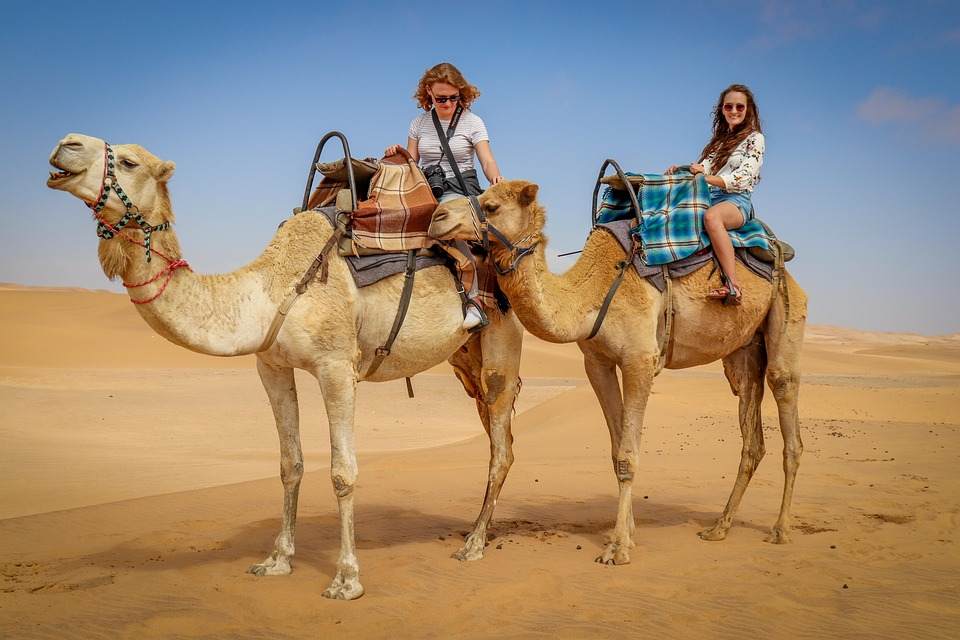
Mobile-friendly booking, short-stay deals, and culturally resonant experiences are on the rise. Urban tourism, once overlooked, is now thriving with destinations like Durban, Windhoek, and Maputo emerging as vibrant hubs for leisure and business travel alike.
Crucially, local ownership and community-based tourism are benefiting from this trend. As domestic and regional guests increasingly prioritise authenticity and impact, smaller operators and community lodges are finding new visibility within a changing market.
Opportunities and challenges ahead
While the regional boom offers optimism, it also raises important strategic questions. How can destinations maintain sustainable growth without overdependence on a single market segment? How can infrastructure, particularly cross-border transport and visa systems, keep pace with this demand?
Experts point out that harmonising SADC visa policies, improving transport links, and investing in regional marketing collaborations will be key to sustaining the momentum. Countries like Zambia and Zimbabwe have already demonstrated success with shared visa systems, offering a template for broader integration.
At the same time, the long-haul recovery remains vital. Europe and North America still represent high-value segments, with spending per visitor significantly above the regional average. The ideal model for Southern Africa, analysts agree, is balance, blending regional resilience with global appeal.
A new era for Southern African travel
What’s emerging in 2025 is a tourism landscape that’s more inclusive, adaptive, and resilient. The return of regional travellers has not only stabilised the sector but also reignited local pride in Africa’s shared destinations.

As more Africans explore Africa, the industry is shifting its focus from marketing to the world to connecting with itself. It’s a movement built on accessibility, cultural exchange, and sustainable opportunity.
The future of travel in Southern Africa may no longer depend solely on far-flung visitors. It’s being written by the region’s own people, one cross-border adventure at a time.




The editorial team at Destination Southern Africa brings you the most comprehensive travel intelligence for Southern Africa. With decades of combined experience in African tourism, we cover everything from hidden gems to practical travel tips for international visitors.


