


They call it the Roof of Africa, and when you first see Mount Kilimanjaro rising above the clouds, it’s easy to understand why. The mountain seems almost unreal, suspended between sky and savannah, its snow-capped crown defying the equatorial heat below. For many travellers, climbing Kilimanjaro isn’t just a trek; it’s a rite of passage, a personal pilgrimage wrapped in thin air and raw beauty.
I’d dreamed about this mountain for years. Photos never did it justice. When I finally arrived in Moshi, Tanzania, the morning air carried the sweet scent of coffee fields and the electric buzz of anticipation. My guide, Emmanuel, smiled as he helped adjust my pack. “Pole, pole,” he said, Swahili for slowly, slowly. It would become our mantra.
The climb begins
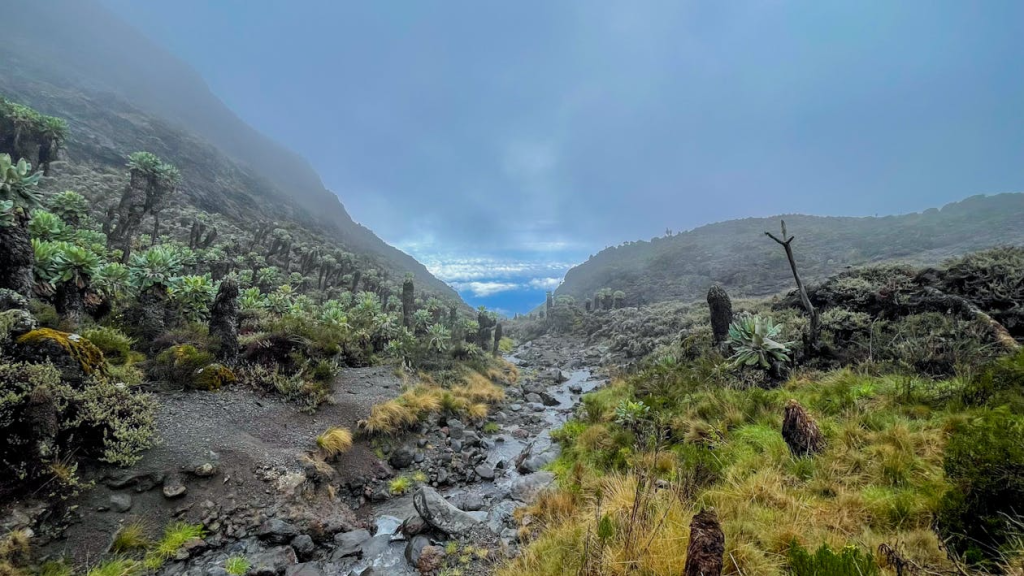
Our journey started on the Machame Route, one of the most scenic and challenging paths to the summit. The first day wound through dense rainforest alive with the chatter of colobus monkeys and the glow of giant ferns. It was humid, green, and deceptively gentle, a stark contrast to the barren alpine desert waiting above.
Each day, the landscape changed. We traded the emerald forest for moorland dotted with lobelias and dusty trails lined with volcanic rock. Nights grew colder. Stars felt closer. Around the campfire, we shared tea and stories with climbers from every corner of the world, all chasing the same dream: to stand on Africa’s highest peak.
By Day Four, the altitude had slowed everything. Even laughter came in short bursts. Breathing felt like sipping through a straw. Yet, the camaraderie on the mountain was unlike anything I’d experienced. Strangers became teammates, united by grit and wonder.
The final push to Uhuru Peak
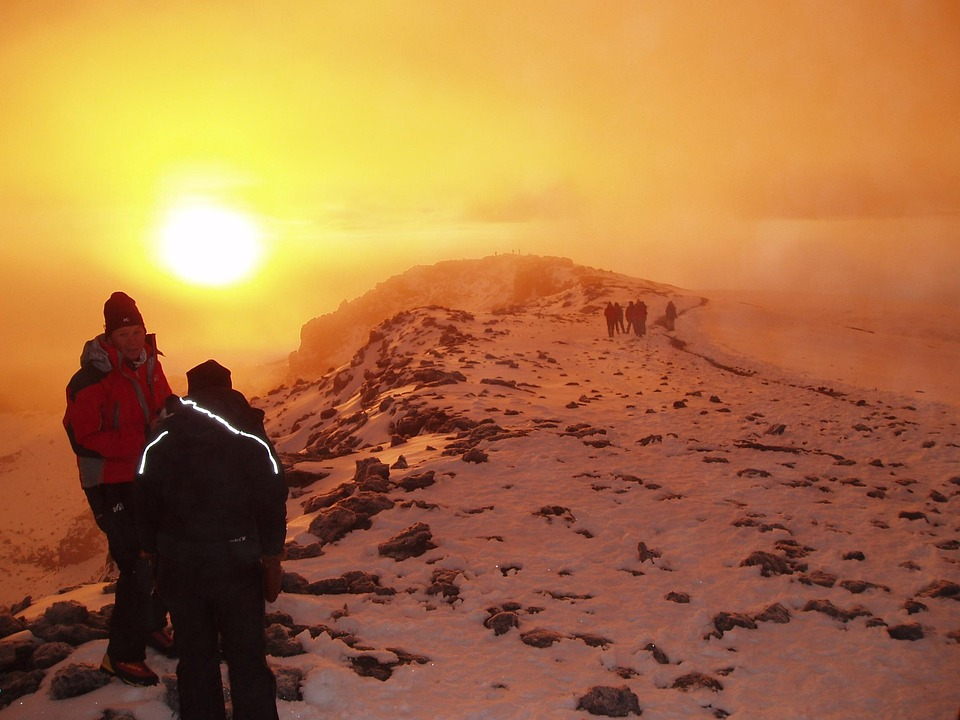
Summit night is something every climber remembers. We left Barafu Camp just before midnight, headlamps cutting through the darkness like fireflies. The air was sharp and thin. Each step crunched against frozen gravel. Emmanuel’s quiet “pole, pole” kept time with the beat of my heart.
At first light, the horizon blazed orange and violet, revealing glaciers that shimmered like glass. It was surreal, beauty and exhaustion colliding at 5,000 meters. When we finally reached Uhuru Peak at 5,895 meters, the wooden sign came into view through tears and breathless laughter. The world below felt impossibly distant.
Standing there, above the clouds, it wasn’t just about conquering a mountain. It was about surrender to effort, to altitude, to awe.
What climbing Kilimanjaro teaches you
Kilimanjaro isn’t technical; you don’t need ropes or crampons. What it demands is resilience, humility, and patience. The secret isn’t fitness; it’s mindset. The mountain rewards those who listen: to their guides, their bodies, and the rhythm of “pole, pole.”
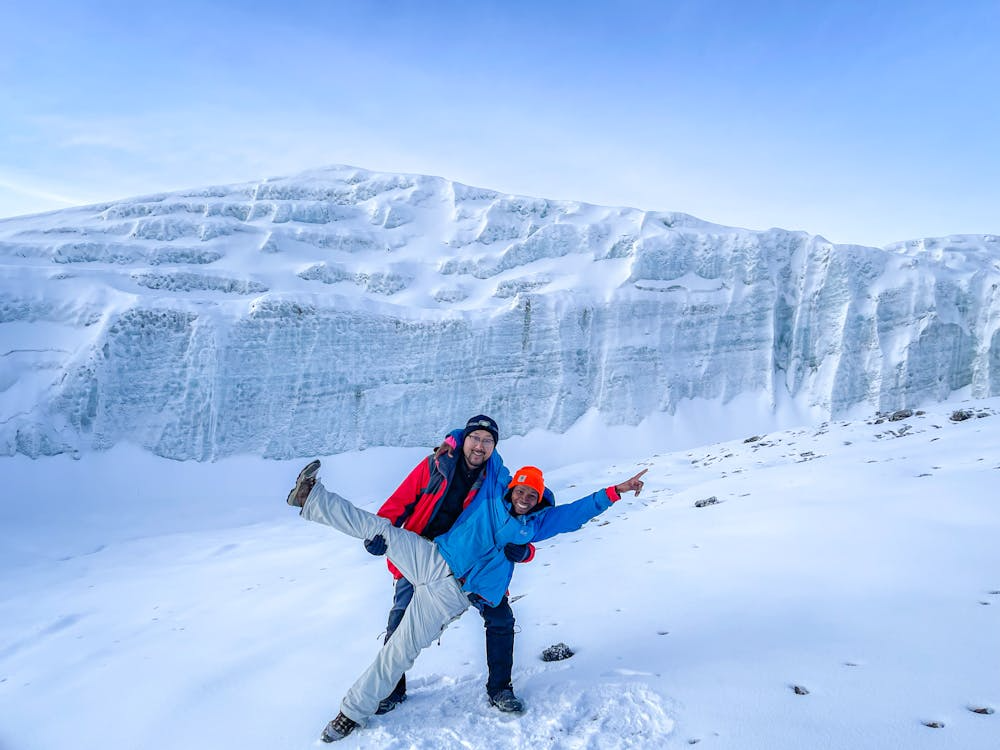
Each route — Machame, Marangu, Lemosho, Rongai — offers its own personality, from rainforest trails to lunar-like ridges. The best time to climb is during the dry seasons: January to March and June to October.
And if there’s one thing every climber will tell you, it’s this: reaching the summit is unforgettable, but it’s the journey that changes you.
A climb that gives back
In recent years, Kilimanjaro’s climbing culture has evolved to focus on sustainability and local empowerment. Tour operators now work with certified local guides and porters, ensuring fair wages and ethical treatment. Conservation initiatives are also helping protect the fragile alpine ecosystem, where every step leaves a mark that matters.
Choosing a responsible outfitter isn’t just good practice; it’s part of the story. When you climb Kilimanjaro, you’re not just crossing a landscape. You’re becoming part of its legacy.
The feeling that never leaves
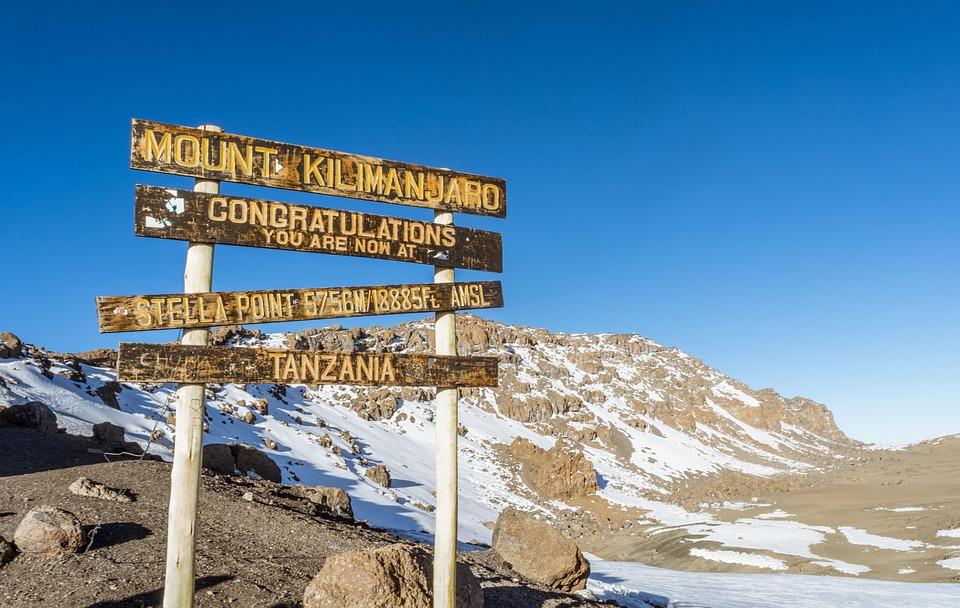
Weeks later, I still catch myself thinking about that moment at Uhuru Peak, the silence, the thin light, the vastness of it all. Kilimanjaro humbles you, but it also hands you something profound: a quiet sense of strength you can carry long after the climb ends.
Because in truth, you don’t really conquer Kilimanjaro. You meet it, slowly, step by step, until you find yourself standing where earth meets sky.




The editorial team at Destination Southern Africa brings you the most comprehensive travel intelligence for Southern Africa. With decades of combined experience in African tourism, we cover everything from hidden gems to practical travel tips for international visitors.


