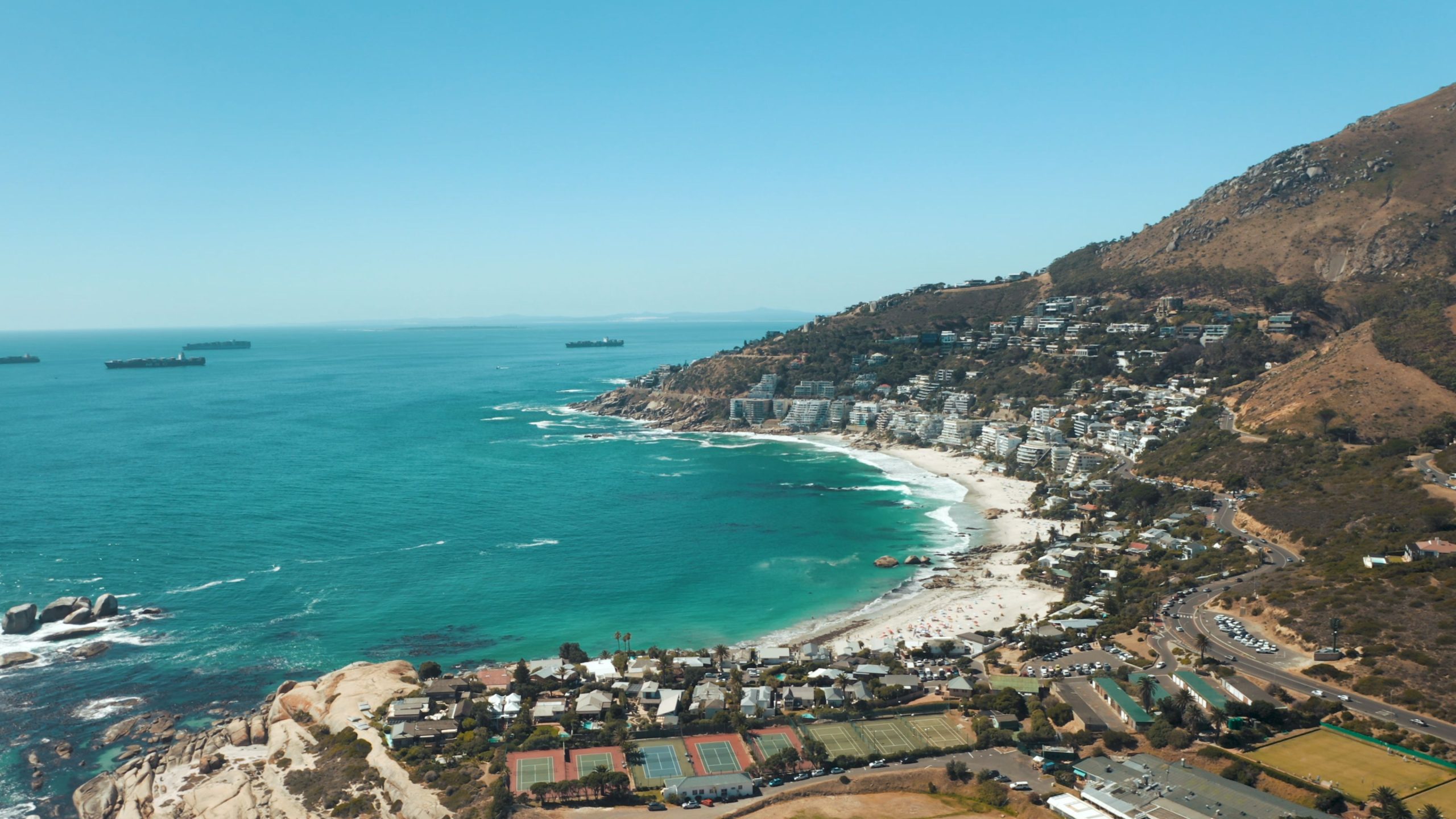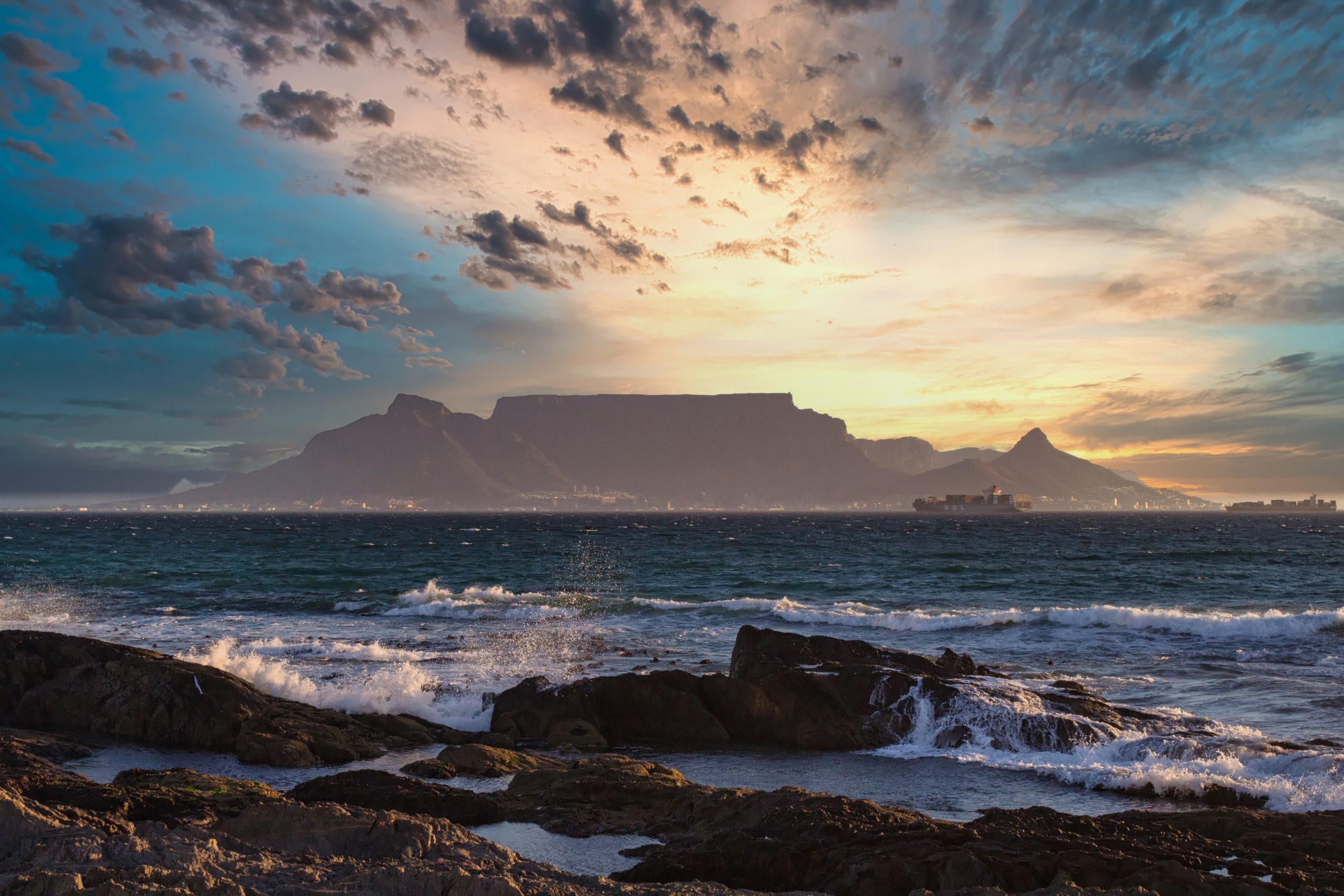


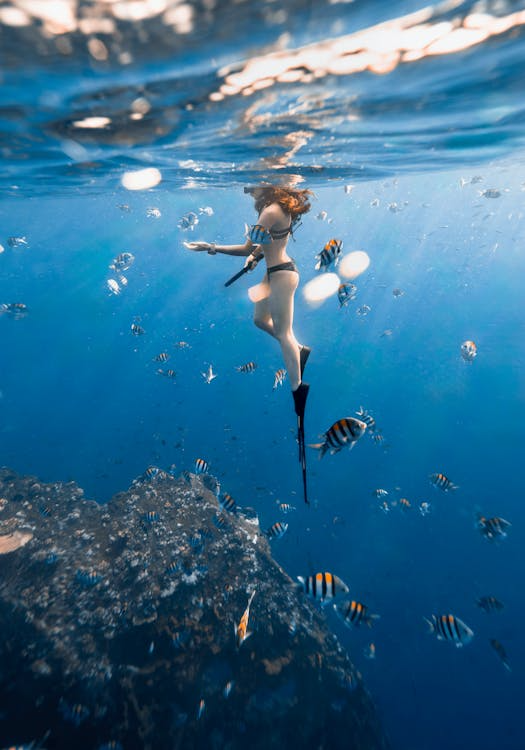
There is a particular hush underwater that reframes travel from ticking boxes to paying attention. In Southern Africa that hush is vibrant with life: whale sharks cruising the plankton-rich seas of Tofo, coral gardens around the Bazaruto Archipelago, and the kelp cathedrals off Cape Town where shy fish and seals weave through sunbeams.
These marine riches are fragile. As visitor numbers rise, so does responsibility, and a new generation of operators, communities and policymakers are shaping a version of blue tourism that regenerates as much as it delights.
Why Blue Tourism Matters Now
Blue tourism, which focuses on the ocean economy, conservation and coastal communities, is moving from buzzword to business plan across Africa. Governments, NGOs and local communities are working together to safeguard nursery habitats, turtles and megafauna while creating sustainable livelihoods for coastal towns.
This shift is already visible across Mozambique and South Africa. The Bazaruto Archipelago, Tofo and Ponta do Ouro are being managed as conservation-tourism hubs, while South Africa’s national blue-economy strategy embeds marine protection into broader tourism and economic planning.
Top Dive Destinations to Put on Your List
Tofo and Inhambane, Mozambique – Mega-fauna Magnet
Tofo’s warm waters attract whale sharks, manta rays and vibrant reef systems. It is the place for big encounters, and many operators pair dives with citizen-science opportunities such as photo-ID projects and marine monitoring sessions that help researchers track these gentle giants. Plan your trip between November and March for the best whale shark sightings.
Bazaruto Archipelago, Mozambique – Coral Gardens and Dugongs
The Bazaruto Seascape is one of Mozambique’s crown jewels. Its protected waters shelter dugongs, turtles and colourful coral reefs. Responsible operators focus on low-impact mooring, reef-friendly briefings and community-run tour programs that ensure tourism directly supports conservation and livelihoods.
Ponta do Ouro, Mozambique–South Africa Frontier – Transfrontier Conservation in Motion
Ponta do Ouro’s reefs and offshore pinnacles deliver thrilling drift dives and big-fish action. The area showcases how cross-border marine stewardship between Mozambique and South Africa can merge research, tourism and shark conservation into one dynamic ecosystem.
Sodwana Bay, Aliwal Shoal and Protea Banks, South Africa – Classic Coral and Shark Encounters
KwaZulu-Natal’s Sodwana Bay is synonymous with warm-water reef diving, while Aliwal Shoal and Protea Banks bring dramatic walls, pelagic species and shark encounters. Add the kelp forests off Cape Town and you have one of the most diverse marine destinations in the world within a single coastline.
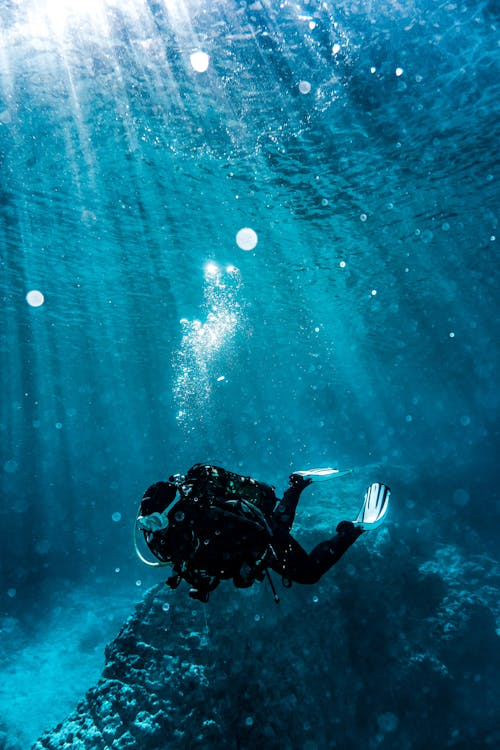
How Operators Are Pivoting to Sustainability
The best dive operators are moving beyond traditional tourism. They are blending business with biodiversity and reshaping what a marine holiday looks like.
- Community-first hiring and revenue sharing: Coastal residents are trained and employed as guides, skippers and conservation monitors, keeping profits local.
- Citizen science on every trip: Divers help collect data by logging species, photographing whale sharks or reporting turtle nests, turning tourism into research.
- Low-impact logistics: Fixed mooring buoys, smaller dive groups and minimal engine time reduce reef damage and emissions.
- Climate-conscious operations: More fuel-efficient engines, local sourcing and support for mangrove and seagrass restoration projects are becoming standard.
- Education and awareness: Briefings now go beyond safety. Guests learn about reef etiquette, plastic reduction and marine protection zones.
Across Tofo, Vilankulos and South Africa’s east coast, dive centres proudly identify as eco-focused, offering visitors the chance to participate in coral planting, research dives and conservation education.
Protection Wins and Why They Matter
Marine Protected Areas (MPAs) are the foundation of healthy, thriving dive experiences. Where MPAs are enforced and communities benefit directly, reefs recover faster, fish populations rebound and visitor experiences improve.
Both Mozambique and South Africa are expanding their protected areas as part of larger blue-economy frameworks that recognise a healthy ocean is essential to a sustainable tourism industry.
How to Dive Responsibly
Before you book your next underwater adventure, run through this quick checklist:
- Choose operators with local conservation partnerships or verified eco-certifications.
- Avoid touching coral or marine life. Even brief contact causes damage.
- Use reef-safe sunscreen and reusable bottles.
- Respect local customs and support community-owned lodges, dive centres and restaurants.
- Never anchor on coral. Ensure your operator uses mooring buoys.
Sample 7-Day Blue Tourism Itinerary
Day 1–3: Tofo
Dive with manta rays and whale sharks, join a photo-ID session and meet local researchers tracking ocean giants.
Day 4–5: Vilankulos / Bazaruto
Snorkel with dugongs, visit coral restoration sites and experience village-led eco-tours.
Day 6–7: Ponta do Ouro or KwaZulu-Natal Coast
Drift along pristine reefs, learn about shark tagging and relax on beaches protected by transfrontier park initiatives.
The Future of Diving in Southern Africa
The future of marine tourism in Southern Africa is regenerative, not extractive. Operators are reimagining tourism as a force for conservation, funding patrols and restoration while enriching visitor experiences. With governments investing in blue-economy projects and communities benefiting directly, the model is clear: protect, participate and prosper.
Final Tide: Why You Should Care
If you love diving for the thrill, the calm hum of the deep and the flicker of a turtle’s fin, then protecting these waters is part of your journey. In Mozambique and South Africa, responsible diving is not a restriction; it is a privilege. It is the promise that the reefs, fish and coastlines you fall in love with today will still be there tomorrow.




The editorial team at Destination Southern Africa brings you the most comprehensive travel intelligence for Southern Africa. With decades of combined experience in African tourism, we cover everything from hidden gems to practical travel tips for international visitors.