
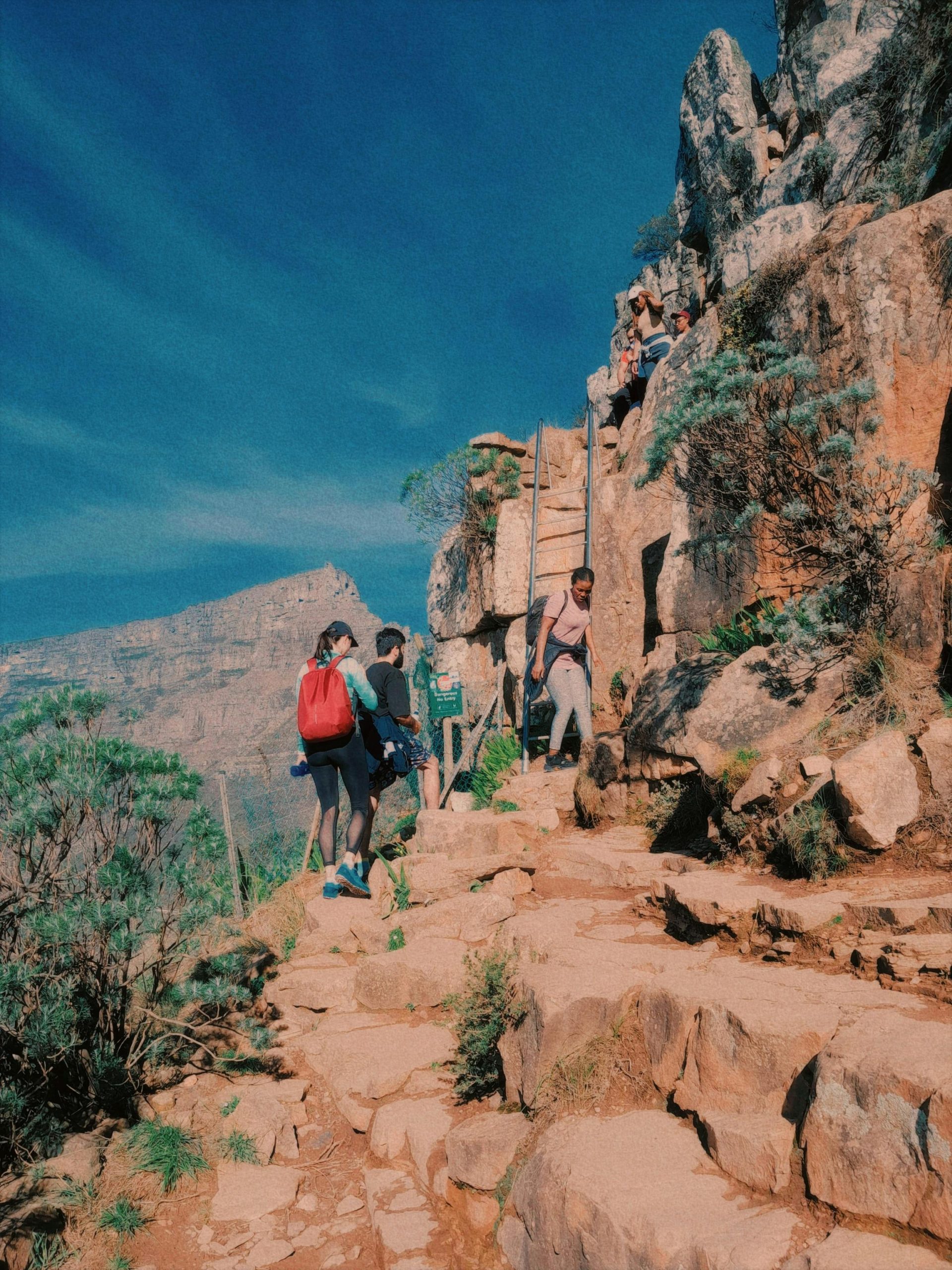
A footpath in Southern Africa can begin with birdsong, fynbos, cool air and the promise of a view worth every step. It can also change character within minutes. Mist slips over a ridge. Heat rises off stone. A familiar path becomes harder to read when tired legs and late afternoon light begin to blur the way forward.
For travellers, this part of the world offers some of the finest hiking on earth, from Table Mountain and the Cederberg to the Drakensberg, the Wild Coast and the escarpments of Mpumalanga. The joy sits in the freedom. The safety sits in the planning.
Start Before You Step Onto the Trail
Good hiking begins long before boots touch gravel. Choose a route that matches the slowest person in the group, not the fittest. Check the distance, elevation, expected walking time and exit points. A short trail on paper can feel very different in heat, wind or rain.
Tell someone where you are going and when you expect to return. Send them the route name, starting point and planned finish point. A live location app helps, but it should never replace a proper plan. Batteries fail. Signal drops. Weather moves faster than expected.
Start early, especially in summer. Southern African heat can turn a moderate walk into a tiring test by midday. Early starts also give you more daylight if the trail takes longer than planned.
Walk Together, Stay Together
Solo hiking may sound peaceful, but local safety advice often recommends walking in a group. Four people makes a sensible number, especially on mountain routes where one person can stay with an injured hiker while others seek help.
Keep the group together and walk at the pace of the slowest hiker. Splitting up often creates more problems than it solves. If the path becomes unclear, stop. Retrace your steps if needed. Pressing forward into unknown ground can turn a simple mistake into a rescue situation.
Leave headphones out, keep your phone accessible and stay aware of what surrounds you. The trail deserves attention, not only for safety, but for the small details that make hiking worth doing.
Pack for the Weather You Might Get
Southern Africa does not always offer gentle weather. Table Mountain can shift from sun to cloud with little warning. The Drakensberg can bring cold, storms and poor visibility even after a clear morning.
Carry water, snacks, a charged phone, a basic first aid kit, sun protection, a warm layer, a rain jacket and a headlamp. Even on a day hike, these items matter. Comfortable shoes with grip can make the difference between a confident descent and a nervous one.
Download offline maps before leaving, but carry your route knowledge in your head too. Know the landmarks, junctions and turn back points.
Know When to Turn Around
The best hikers are not the ones who always reach the top. They are the ones who know when to stop. If weather closes in, someone feels unwell, the group runs low on water or daylight begins to fade, turning back can be the smartest decision of the day.
In an emergency, stay calm, keep the group together and call for help. South Africa’s general emergency numbers include 112 from a mobile phone and 10177 for ambulance and rescue services. In the Table Mountain area, SANParks lists the Table Mountain National Park emergency number as 086 110 6417.
The Reward of Respect
Hiking in Southern Africa gives travellers a rare kind of closeness to place. You feel the mountain underfoot, hear wind in the grass, smell dust after rain and see the country from a slower, more honest angle.
Safety does not take away the adventure. It protects it. With the right route, the right group and the right respect for changing conditions, the trail can give you exactly what you came for, space, beauty, movement and the quiet thrill of reaching a view earned one step at a time.




The editorial team at Destination Southern Africa brings you the most comprehensive travel intelligence for Southern Africa. With decades of combined experience in African tourism, we cover everything from hidden gems to practical travel tips for international visitors.