
Whether you’re exploring Africa’s savannas, trekking the Andes, or relaxing on an island getaway, one of the most important steps before packing your bags is ensuring your vaccinations are up to date. Travel vaccines not only protect you from preventable diseases but also safeguard the communities you visit.
Why Vaccinations Matter
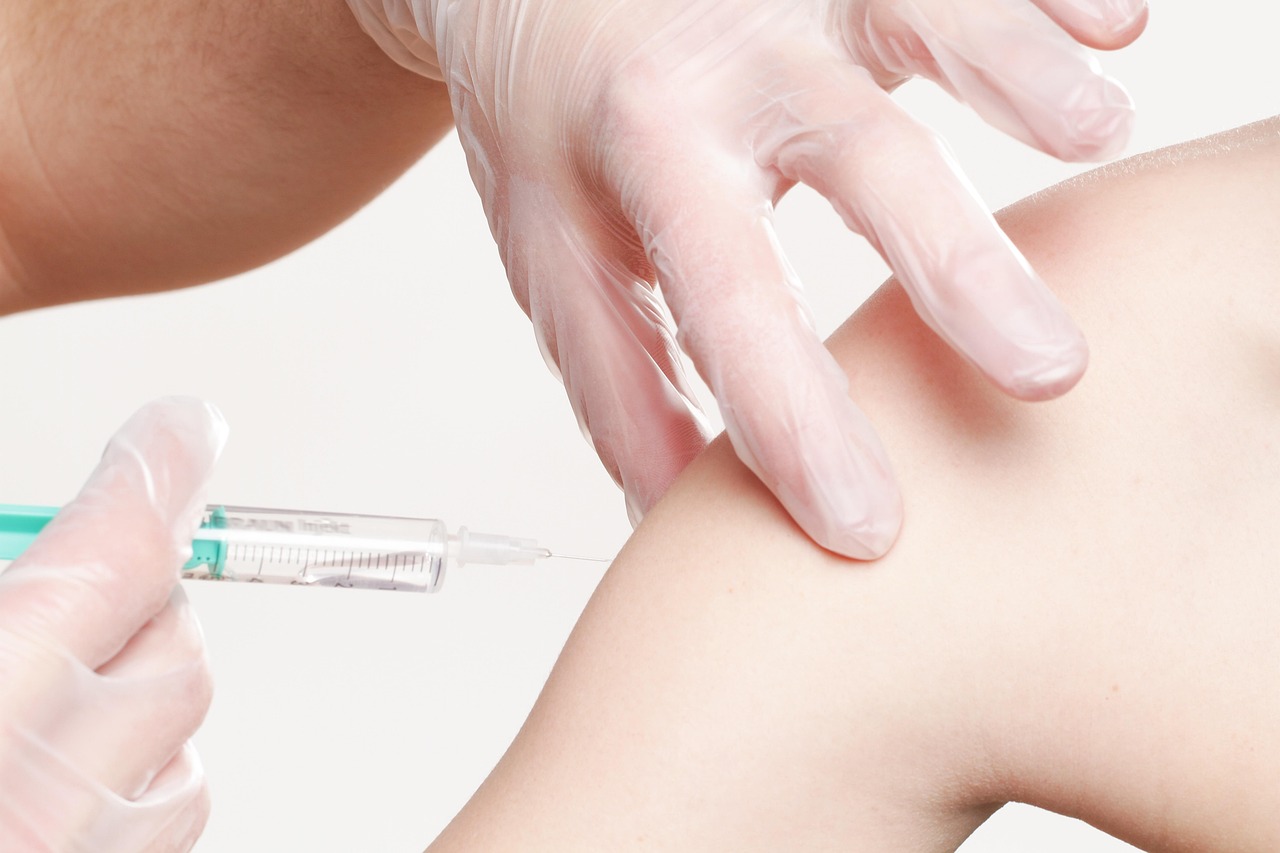
Different destinations expose travellers to illnesses not common at home. Vaccinations act as your first line of defence against infections like yellow fever, typhoid, and hepatitis A, which can spread through contaminated food, water, or mosquito bites. Keeping your immunisations current also reduces the risk of bringing infections back home.
When to Get Vaccinated
Vaccines take time to become effective. Book a travel health appointment four to six weeks before departure so your provider can recommend and, where needed, begin multi-dose vaccines and issue any official certificates. This timeframe also allows for any possible side effects to resolve before you travel.
Routine Vaccinations
Before focusing on destination-specific vaccines, ensure your routine shots are up to date. This includes:
- Measles, Mumps, Rubella (MMR)
- Tetanus, Diphtheria, and Pertussis (Tdap)
- Polio
- Influenza (flu shot)
These vaccines protect you from infections that can spread quickly in airports, crowded markets, and public transport.
Destination-Specific Vaccines
Depending on your itinerary, your travel clinic may recommend:
- Yellow Fever: Required for entry into many African and South American countries. The vaccine offers long-term—often lifelong—protection.
- Typhoid: Especially important for areas with poor sanitation or limited access to clean water.
- Hepatitis A and B: Common in many parts of the world, particularly where hygiene standards vary.
- Rabies: Advised for adventure travellers, hikers, and anyone who may come into contact with animals.
- Cholera or Meningococcal: Sometimes required for special circumstances or pilgrimages.
Malaria Precautions
Malaria remains one of the most serious travel-related risks in tropical regions.
Malaria vaccines (RTS,S and R21) have been recommended for children in high-transmission settings, but for travellers, the primary protections remain antimalarial prophylaxis and strict mosquito-bite prevention; vaccines are not yet a replacement for prophylaxis for most adult travellers.
Your travel clinic will prescribe appropriate antimalarial medication depending on your destination and length of stay.
Proof of Vaccination
Some destinations require an International Certificate of Vaccination or Prophylaxis (ICVP or ‘yellow card’) as proof of yellow fever vaccination. Country entry rules can change, so always confirm requirements with the destination’s consulate or official government pages before you travel.
This document is issued only by authorised vaccination centres.
Where to Get Travel Vaccinations
Visit an accredited travel health clinic or designated yellow fever vaccination centre.
In South Africa, certified travel clinics and designated yellow fever centres—such as Netcare travel clinics and independent travel medicine centres—can provide vaccinations and the official ICVP. Always bring your immunisation record to appointments.
Quick Travel Health Checklist
✅ Book a travel clinic appointment 4–6 weeks before departure
✅ Keep all routine vaccines up to date
✅ Carry your yellow card if travelling to or from yellow fever risk countries
✅ Take antimalarial medication and use mosquito protection in risk zones
✅ Pack a basic medical kit with hand sanitiser, insect repellent, and first-aid supplies
Final Thought
Staying healthy while travelling starts long before you board the plane. Vaccinations and good preventive care mean fewer worries, fewer hospital visits, and more time to enjoy the adventure ahead.




The editorial team at Destination Southern Africa brings you the most comprehensive travel intelligence for Southern Africa. With decades of combined experience in African tourism, we cover everything from hidden gems to practical travel tips for international visitors.