


I first came to Malawi with a notebook, a pair of battered binoculars, and the quiet hope of finding birds I had only seen in field guides. What I found was far richer. Malawi rewards patience, early mornings, and curiosity. For bird enthusiasts, this compact country offers variety that feels generous rather than overwhelming. From the reed fringed edges of Lake Malawi to the cool forests of the highlands, birding here feels personal, welcoming, and deeply rewarding.
Why Malawi Belongs on Every Birder’s Map
Malawi often flies under the radar when compared with larger safari destinations. That works in its favour. With over 650 recorded species, the country offers rich birdlife without crowds. Endemics and near endemics sit alongside migrants from Europe and Asia. Local guides know their patches well and share knowledge with pride. Travel distances are short, which means more time in the field and less time on the road.
For travellers seeking slower, more mindful journeys in Southern Africa, Malawi fits current travel trends perfectly. Community led lodges, conservation focused tourism, and authentic encounters shape the experience.
Lake Malawi. Shorebirds and Specials Found Nowhere Else
Most birding journeys in Malawi begin along Lake Malawi, Africa’s third largest lake. I started my mornings near Cape Maclear, where the water glows softly at dawn and fishermen push wooden boats into the shallows.
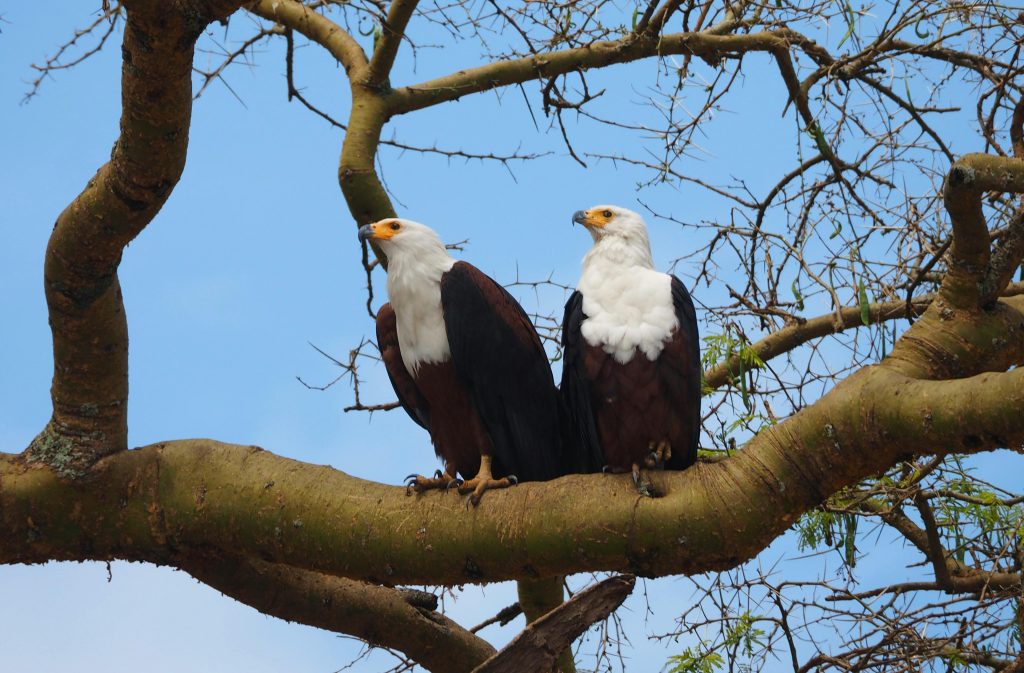
The lake edges host African Fish Eagles, Pied Kingfishers, and White fronted Bee eaters. I spent hours watching cormorants drying their wings on rocks. The real stars, though, are the local specials. The Lake Malawi Cichlid may draw divers, but birders come for the likes of the African Skimmer along sandbanks and the striking Böhm’s Bee eater flashing emerald and chestnut as it hunts.
In the papyrus beds, patient scanning reveals Lesser Jacana and African Rail. Early mornings bring the best rewards before the heat builds and the breeze picks up.
Liwonde National Park. Riverine Riches
Liwonde National Park has become one of Malawi’s conservation success stories. For birders, the Shire River is the main draw. I joined a small boat safari just after sunrise, drifting quietly past fig trees and palms.
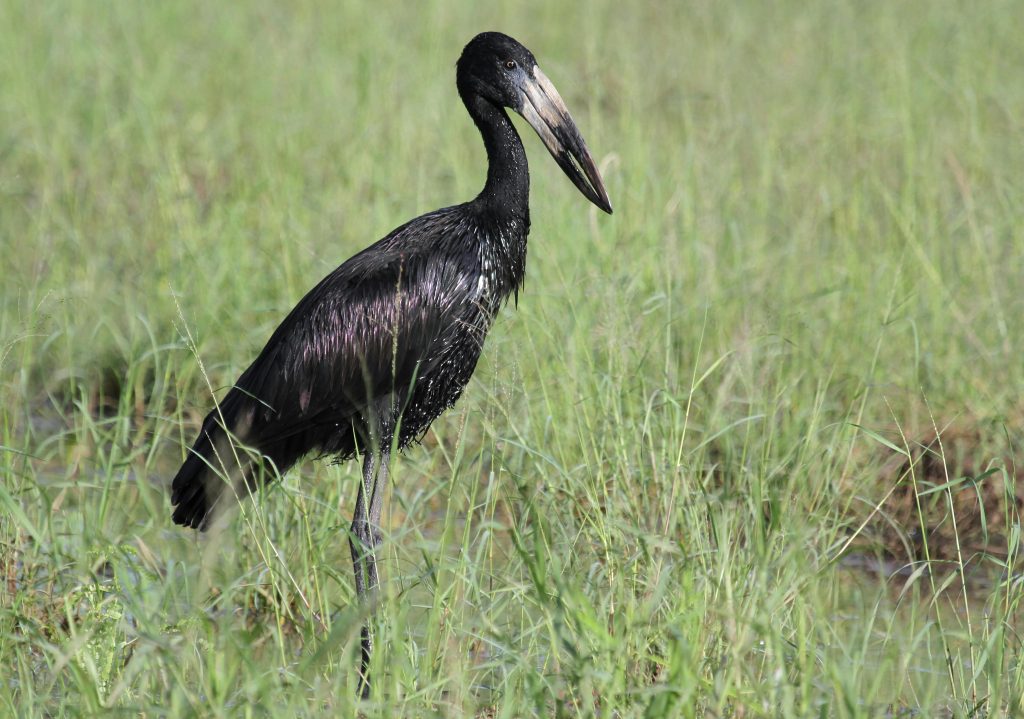
Pel’s Fishing Owl is the bird everyone whispers about here. Seeing one perched above the water felt like a private gift. African Openbill Storks, Saddle billed Storks, and countless herons line the riverbanks. Woodland species such as Livingstone’s Flycatcher and Retz’s Helmetshrike appear as you move away from the water.
What stands out in Liwonde is the ease of birding. Even casual watchers leave with long lists and lasting memories.
Nyika Plateau. Highland Birds and Cool Air
Driving up to Nyika National Park feels like entering another country. The air cools, the views widen, and the birdlife shifts. Nyika sits high in the north and offers montane grasslands and patches of forest that attract species found nowhere else in Malawi.
Here I found Denham’s Bustard striding through open grass and Red winged Francolin calling at dusk. Forest patches hold Bar tailed Trogon and Sharpe’s Akalat, a prized sighting for many visitors. Birding on Nyika requires time and attention, but the rewards are worth the effort.
Walking trails allow close observation, and the lack of traffic noise makes listening easier. This is a place to slow down and let the birds come to you.
Mulanje Massif. Forest Endemics and Tea Estates
The Mulanje Massif rises sharply from the plains, its granite peaks visible from miles away. The lower slopes are covered in tea estates and forest reserves, while the higher reaches protect some of Malawi’s most sought after birds.
I birded here with a local guide who grew up at the base of the mountain. Together we tracked down Thyolo Alethe, a Malawi near endemic with a soft call and shy nature. White winged Apalis flitted through the canopy, and Green headed Oriole added colour to the forest edges.
Mulanje suits birders who enjoy walking and listening. The mix of cultivated land and wild forest creates varied habitats within short distances.
When to Go and What to Bring
The best birding months in Malawi run from September to April. Migrants arrive from the north, and resident species are active and vocal. November to March brings heat and occasional rain, but also breeding plumage and busy birdlife.
Binoculars with good light gathering help in forested areas. A field guide focused on Southern Africa is useful, though local guides often spot birds before visitors even raise their glasses. Light clothing, sun protection, and patience complete the kit.
Guided or Independent Birding
Malawi works well for both styles. Independent travellers can bird from lodge grounds and public reserves with ease. Guided trips offer deeper insight, especially for harder to find species. Many lodges now partner with community guides, which supports local livelihoods and enriches the experience.
I found that combining both approaches worked best. Solo mornings allowed quiet observation, while guided walks filled gaps in my knowledge.
A Country That Welcomes Birders
What stayed with me long after my trip was the warmth of the people. From park rangers to lodge staff, everyone seemed genuinely pleased that visitors had come to see their birds. Malawi’s birdlife feels accessible, not hidden behind layers of formality.
For anyone drawn to birds, Malawi offers clarity, variety, and connection. It is a place where lists grow naturally and moments linger, long after the calls fade into the trees.




The editorial team at Destination Southern Africa brings you the most comprehensive travel intelligence for Southern Africa. With decades of combined experience in African tourism, we cover everything from hidden gems to practical travel tips for international visitors.