

Date: November 12, 2025
In a major conservation milestone, wildlife researchers in Kenya have confirmed the birth of a calf of the critically endangered eastern black rhino (Eastern Black Rhinoceros) in the remote Chyulu Hills region of southeastern Kenya. The event is being hailed as a hopeful sign in efforts to revive one of the world’s most threatened large mammals.
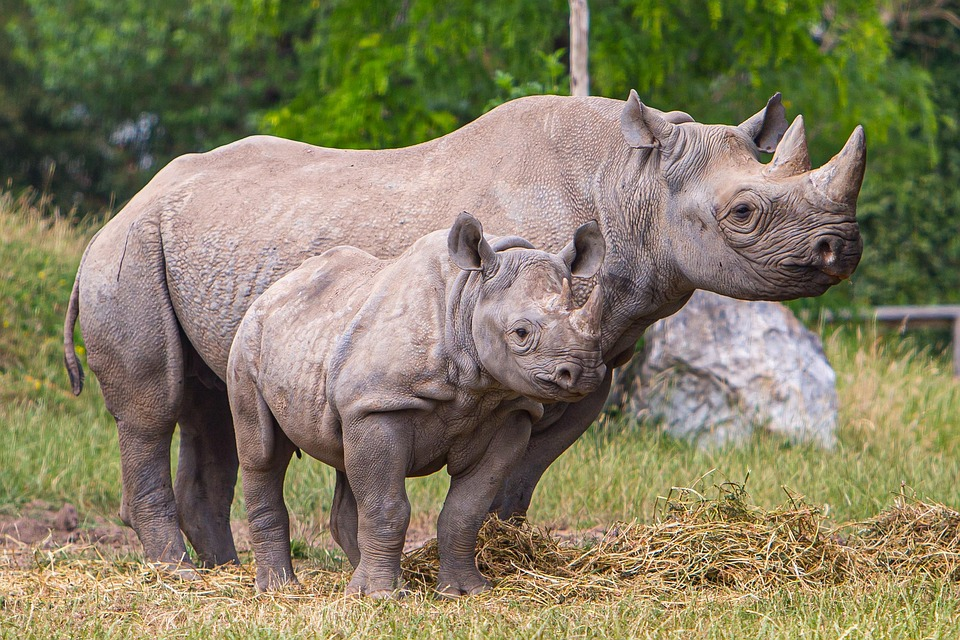
The calf, estimated at about six months old, was born to a first-time mother named “Namunyak” (meaning “blessed” in Maa) after rangers and conservationists detected distinct baby rhino tracks earlier this year. Camera traps set up by the Big Life Foundation and the Kenya Wildlife Service later confirmed sightings of mother and calf in the wild. ABC News+1
With this birth, the wild population of eastern black rhinos in the Chyulu Hills has increased to nine individuals, a tiny but genetically significant group that remains isolated and critically vulnerable. ABC News+1
“The survival of this distinct sub-population and its genes is vital,” explains a statement from the Big Life Foundation. With fewer than 600 mature individuals of this subspecies remaining globally, each new calf carries outsized importance for conservation efforts. People.com
Rangers note that the terrain of the Chyulu Hills contributes both to protection and challenge. The volcanic ridges, steep slopes and dense acacia forests make monitoring difficult, but also help shield the animals from poaching pressure. ABC News
While the calf’s sex has not yet been confirmed and its name is yet to be assigned, initial observations indicate the young rhino is healthy, active and exploring its rugged home. Conservationists stress that while this is excellent news, the population’s survival remains precarious and dependent on continued protection and monitoring. ABC News
This breakthrough underscores the importance of sustained efforts to protect not just rhino numbers but unique genetic lineages and regional ecosystems. For Kenya, and for rhino conservation worldwide, the birth represents not just a moment of hope but a reminder of how fragile and significant each life truly is.




The editorial team at Destination Southern Africa brings you the most comprehensive travel intelligence for Southern Africa. With decades of combined experience in African tourism, we cover everything from hidden gems to practical travel tips for international visitors.