

There’s a heartbeat that runs through the soil of Southern Africa, steady, patient, and impossibly ancient.
It echoes in the weathered walls of Great Zimbabwe, hums in the sandstone art of Twyfelfontein, and whispers across the wind-swept dunes of Namibia’s Namib Sand Sea. To travel here is not just to see, but to listen—to the memory of civilizations, to the pulse of the land, and to the voices that still linger between stones and stars.
1. Great Zimbabwe (Zimbabwe)
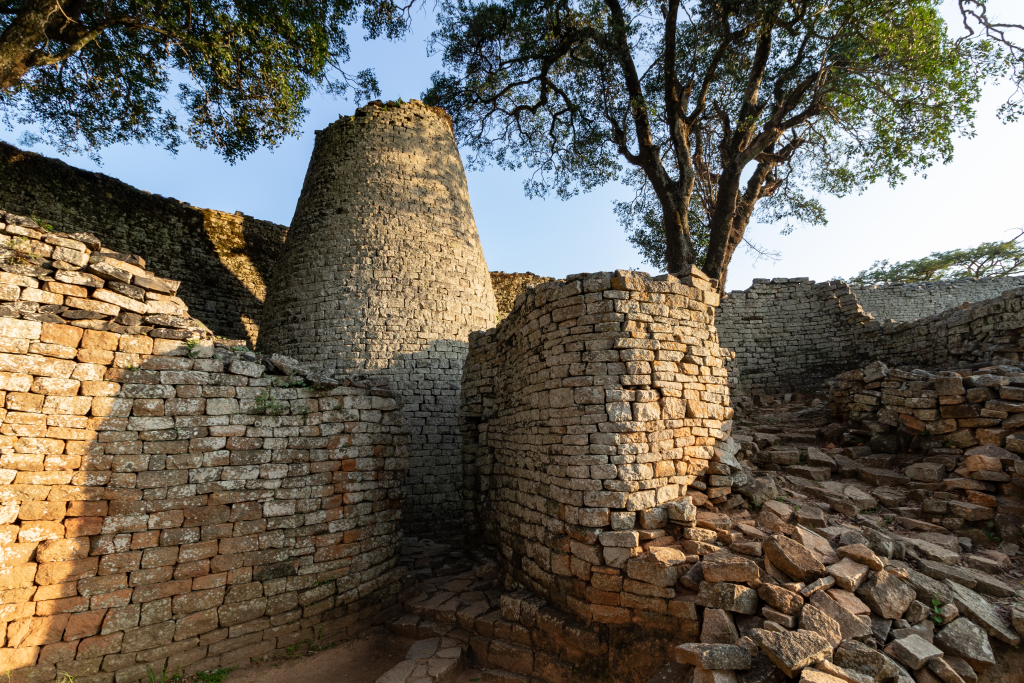
High on a plateau near Masvingo, the granite ruins of Great Zimbabwe rise like a crown from the earth, once the capital of a powerful kingdom that traded gold and ivory with the East. Standing among the curved walls, it’s impossible not to feel awe. Each stone was laid without mortar, yet the structure has endured nearly 800 years.
For Zimbabweans, it’s more than an archaeological wonder; it’s a symbol of pride and self-determination, a reminder that African civilization was vast, sophisticated, and entirely its own.
Travel Tip: Visit at sunrise or sunset for golden light and fewer crowds. Hire a local guide; their storytelling transforms the ruins from silent walls into living history.
2. Robben Island (South Africa)
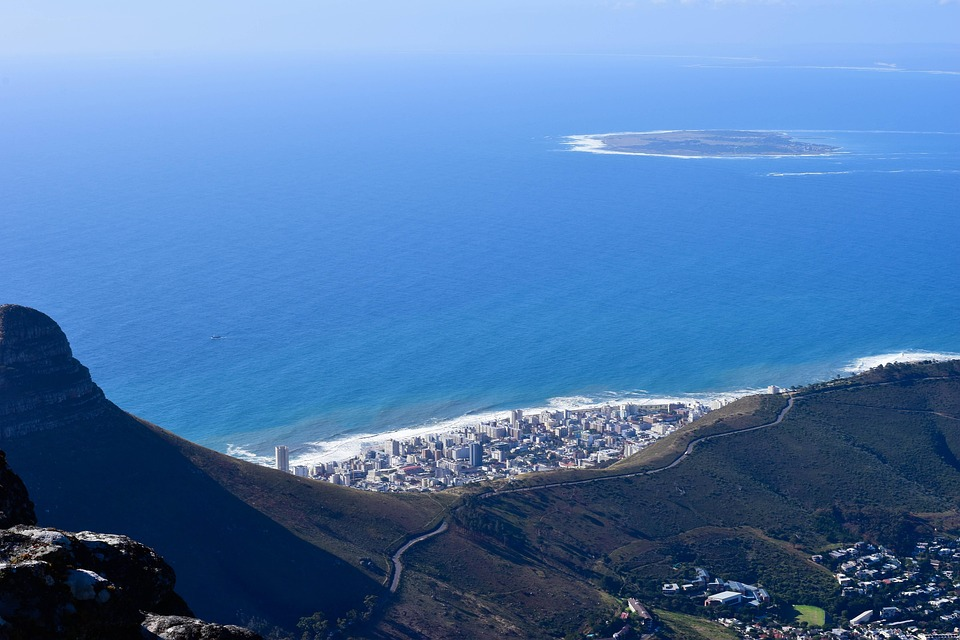
Few places carry as much emotional gravity as Robben Island, just 12 km off Cape Town. For centuries, it was a place of exile and imprisonment, most famously for Nelson Mandela, who spent 18 of his 27 years behind its walls.
Today, the former inmates themselves guide visitors through the prison, weaving personal memories into the nation’s story. The ferry ride across Table Bay feels almost symbolic, a short crossing between oppression and freedom.
Travel Tip: Book well in advance, especially in peak season. The guided tours are led by former political prisoners, an experience that stays with you long after you’ve left the island.
3. Mapungubwe (South Africa)
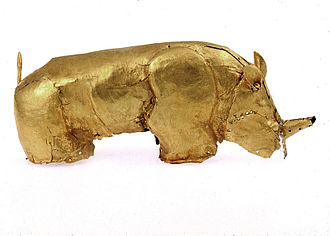
Where the Limpopo and Shashe rivers meet, Mapungubwe National Park shelters the remains of an ancient kingdom that thrived nearly a thousand years ago. It was here that archaeologists unearthed the legendary Golden Rhino, now displayed at the University of Pretoria, proof of early African trade routes and craftsmanship.
Standing on the sandstone plateau overlooking the river, you can almost imagine the bustle of a forgotten city below, a civilisation that connected Africa’s interior to the Indian Ocean trade centuries before European arrival.
Travel Tip: Combine your visit with a wildlife drive; elephants, leopards, and rhinos roam freely through this timeless landscape.
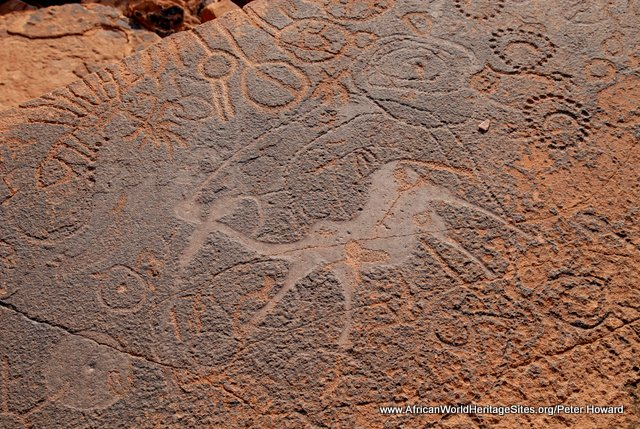
4. Twyfelfontein (Namibia)
Deep in the arid Kunene Region, Twyfelfontein holds one of the largest concentrations of rock engravings in Africa. Thousands of petroglyphs—giraffes, hunters, rhinos—are etched into the red rock, some more than 6,000 years old.
The carvings aren’t random art; they’re records of a spiritual language, a San people’s dialogue with the land and its creatures. As you walk among the stones, the stillness feels sacred, like trespassing through time.
Travel Tip: Early morning light reveals the engravings in vivid contrast. Bring water, the desert sun is unforgiving.
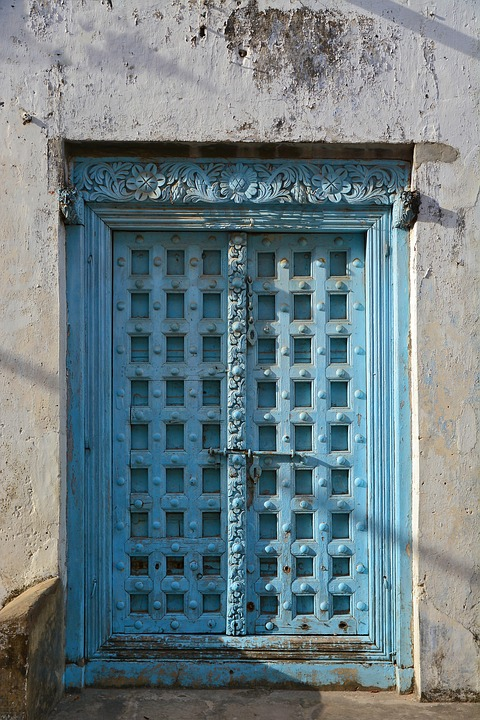
5. Stone Town (Zanzibar, Tanzania)
A mosaic of Swahili, Arab, Persian, and Indian influences, Stone Town is a living heritage site. Wander through its labyrinthine alleys and you’ll catch the scent of cloves, hear the call to prayer echo off coral stone walls, and glimpse carved teak doors that tell stories of traders and sailors.
This is where the spice trade flourished, where empires met, and where modern East Africa began.
Travel Tip: Take a guided walking tour to uncover the deeper layers, from the Old Fort and House of Wonders to the poignant Slave Market memorial.
Why These Places Matter
Heritage sites are more than tourist attractions; they’re memory keepers. They remind us of where we come from and challenge us to see how far we’ve come. In Southern Africa, they carry a special weight: the story of endurance, creativity, and the unbreakable link between land and identity.
For travellers, these places offer more than sightseeing; they offer connection. To walk through Mapungubwe or Robben Island is to feel the region’s heartbeat beneath your feet.
Planning Your Heritage Route
If you’re inspired to trace this trail of memory, start with South Africa’s UNESCO World Heritage sites, then journey north through Namibia, Botswana, and Zimbabwe. Many of these locations are connected by regional flight routes or can be reached via scenic road trips, ideal for slow travel enthusiasts who crave meaning behind the miles.
Quick Heritage Travel Tips
✅ Visit with local guides; they offer perspectives no textbook can match.
✅ Support community-run lodges and crafts.
✅ Always respect sacred areas and photography rules.
✅ Carry water, sunscreen, and patience—heritage often hides where Wi-Fi doesn’t reach.
Final Thought
Southern Africa’s heritage sites aren’t just places to tick off a list. They’re touchstones, each one whispering the same truth: that the past is never really gone; it’s just waiting for us to listen.
So next time you stand before a stone wall or a sun-baked engraving, pause, and let the land tell its story.




The editorial team at Destination Southern Africa brings you the most comprehensive travel intelligence for Southern Africa. With decades of combined experience in African tourism, we cover everything from hidden gems to practical travel tips for international visitors.