
Where the Indian Ocean Sets the Pace
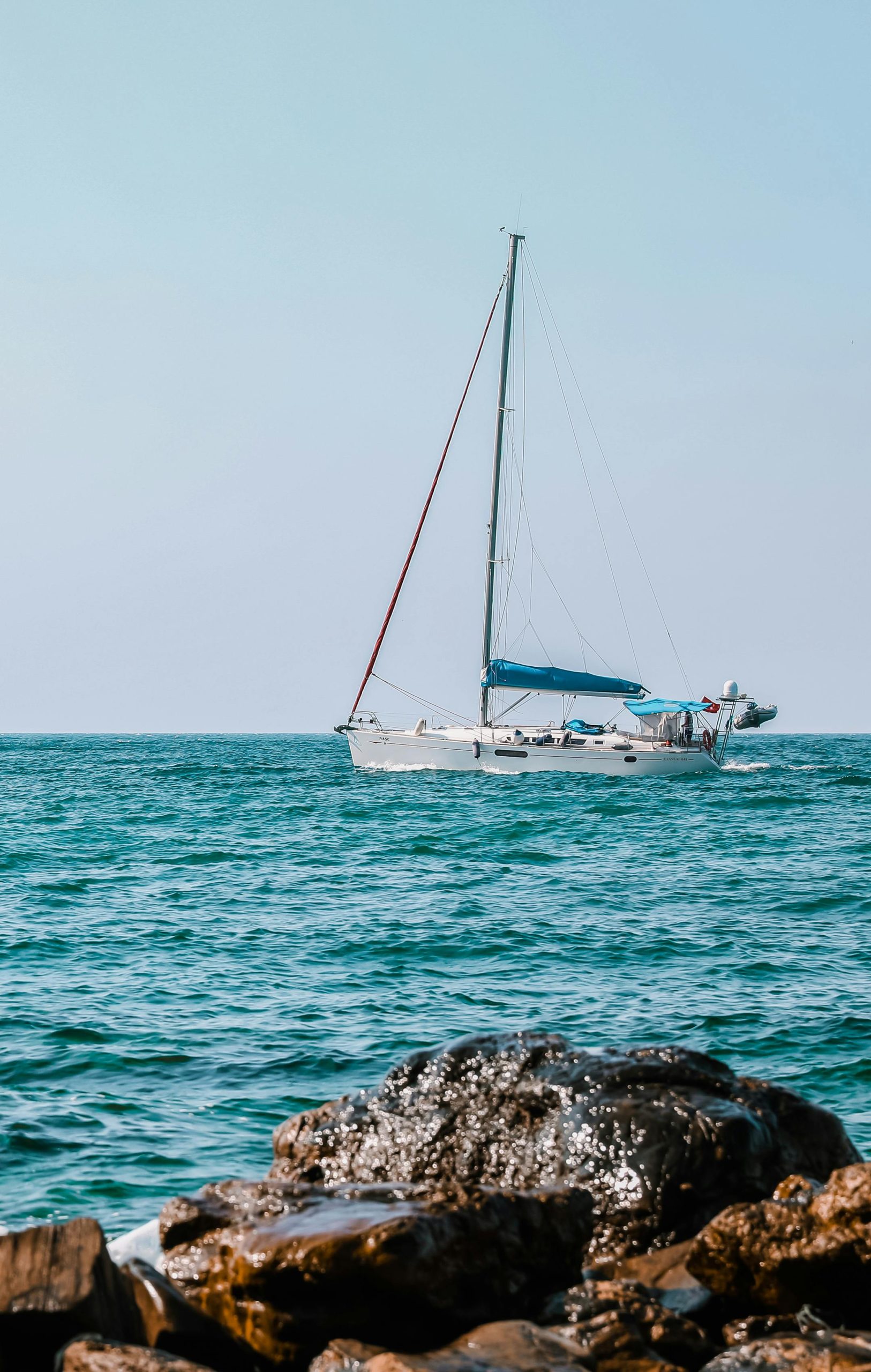
By late morning, the sea off Mozambique has already changed colour more than once. Pale aqua in the shallows, glassy blue beyond the reef, then a deeper shade where the current begins to pull towards open water. From the deck of a sailing boat, with salt drying on my skin and a warm breeze lifting the edges of the canvas, the coast feels less like a route and more like a slow invitation.
Mozambique rewards travellers who give it time. Its islands don’t ask to be rushed. They ask for bare feet, soft bags, reef-safe sunscreen and a willingness to let the tide set the rhythm of the day.
The Bazaruto Feeling
The Bazaruto Archipelago remains one of Southern Africa’s great ocean escapes. Set off the coast near Vilanculos, its islands offer the sort of sailing that makes every stop feel earned. Sandbanks appear at low tide. Dhow sails cut across the horizon. Beneath the surface, coral reefs shelter bright reef fish, turtles and larger marine life.
A day here might begin with coffee on deck before a sail towards a quiet cove. By noon, you’re slipping into warm water with a mask and snorkel, floating above coral gardens while the boat rocks gently behind you. Later, lunch arrives in the simplest and best way, grilled seafood, fresh fruit and something cold in hand, eaten with wet hair and sandy feet.
Bazaruto suits travellers who want beauty with comfort close by. Private island lodges, guided marine activities and sunset dhow trips give the archipelago a refined edge, yet the real luxury still comes from space, silence and sea.
North to the Quirimbas
Further north, the Quirimbas Archipelago feels wilder and more remote. Islands stretch along the Cabo Delgado coast, with mangroves, coral reefs, old trading towns and long beaches shaped by wind and tide. Ibo Island brings history into the journey, with weathered buildings, narrow lanes and traces of Portuguese and Swahili influence.
Sailing here carries a stronger sense of expedition. Distances feel longer. Anchorages feel quieter. Some islands seem to rise from the sea with almost no warning, edged by white sand and water so clear it makes depth difficult to judge.
For ocean lovers, the Quirimbas offer superb snorkelling, calm lagoon cruising and the thrill of reaching places that still feel far from the usual travel circuit. It’s not about ticking off islands. It’s about watching the light move across the water, listening to fishermen call from wooden boats and realising how rare true quiet has become.
What Travellers Should Know
The best ocean journeys along the Mozambican coast depend on season, sea conditions and local knowledge. A good skipper matters. So does choosing operators who respect marine protected areas, local communities and fragile reef systems.
Pack lightly, but pack well. Breathable clothing, sun protection, swimwear, a dry bag and reef-safe sunscreen all earn their place. For photographers, early mornings and late afternoons bring the softest light. For families, calmer lagoon routes around Bazaruto may suit better than longer northern passages.
A Coast Made for Slow Travel
What stays with me after sailing Mozambique isn’t one perfect beach or one postcard-blue view. It’s the feeling of moving with the ocean rather than over it. The creak of rope. The hush before a snorkel stop. The first sight of an island after hours of open water.
For travellers drawn to island hopping, coral reefs and warm Indian Ocean days, Mozambique offers more than a beach break. It offers a sea journey with soul.
Factual grounding: Bazaruto is recognised for its protected marine habitats, coral reefs and marine life, while the Quirimbas National Park includes 11 islands within a wider archipelago known for coral reefs, clear waters and species such as dolphins, turtles, dugongs and rays.