


Meeting elephants on foot in the Okavango Delta
I arrived in the Okavango Delta just after dawn, stepping off the vehicle and onto soft sand still cool from the night air. This was not a traditional safari. There was no engine noise, no rush to the next sighting. I was here to experience ethical elephant encounters in Botswana, on foot and at a respectful distance.
Walking in elephant country sharpens the senses. Every sound matters. A snapped branch, a low rumble carried through the ground, the slow rhythm of feeding nearby. In the Delta, elephants set the terms. Humans learn to slow down.
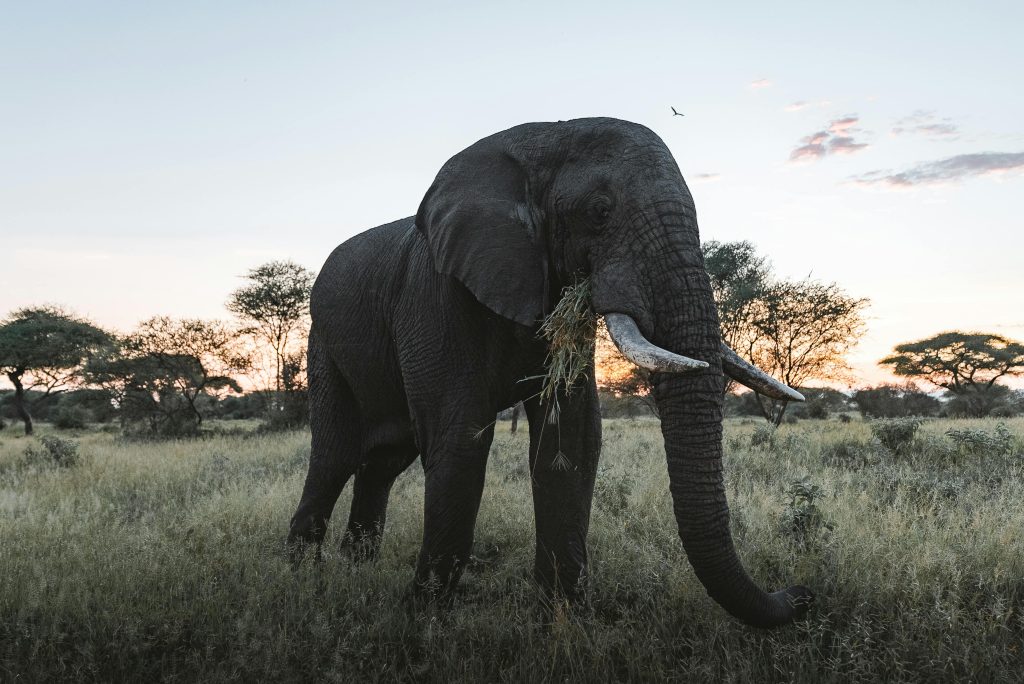
Botswana protects the largest elephant population in Africa, with more than 130,000 individuals roaming freely across the north. The Okavango Delta remains one of the few places where these animals still follow ancient routes between water and feeding areas with minimal interference.
What ethical elephant encounters really mean
Walking with elephants in Botswana does not involve touching, feeding or controlling them. Ethical encounters focus on observation and choice. The elephants decide where they move, how close they come and how long they remain nearby.
Before we began our walk, our guide explained elephant behavior in detail. Ear position, body angle and head height all signal mood. If an elephant shows discomfort, people step back or change direction. There is no pressure to push closer for a photograph.
This approach reflects Botswana’s low volume tourism model. Fewer guests, more space and stronger protection for wildlife. Ethical elephant encounters in Botswana are designed to leave no lasting mark on the animals or their habitat.
Walking safaris guided by local knowledge
Local guides and trackers shape the quality of these experiences. Many come from nearby communities and have spent years learning how elephants move through the Delta.
During our walk, the tracker pointed out fresh tracks pressed into damp sand, broken branches and feeding signs from the previous night. Each detail added context. These were not random sightings but part of a daily routine shaped by water levels and seasonal change.
This knowledge supports both safety and conservation. Walking safaris in the Okavango Delta rely on trust between guides, guests and the wildlife that share the space.
Conservation work behind the scenes
Ethical elephant encounters in Botswana are closely tied to conservation initiatives. Research teams monitor elephant movements using satellite collars to understand migration routes and reduce conflict near villages.
Anti poaching units patrol remote areas in partnership with government and community scouts. Tourism revenue helps fund this work, turning visitor interest into long term protection.
I spent time at a small research outpost where scientists explained how changing flood patterns influence elephant feeding areas. These findings guide land use planning and help keep corridors open across borders.
Community involvement and shared benefits
Many walking safari concessions in the Okavango Delta operate through agreements with local communities. Income from tourism supports schools, healthcare and employment.
Community members work as guides, trackers and camp staff. Skills remain local, and conservation becomes a shared priority rather than an external demand.
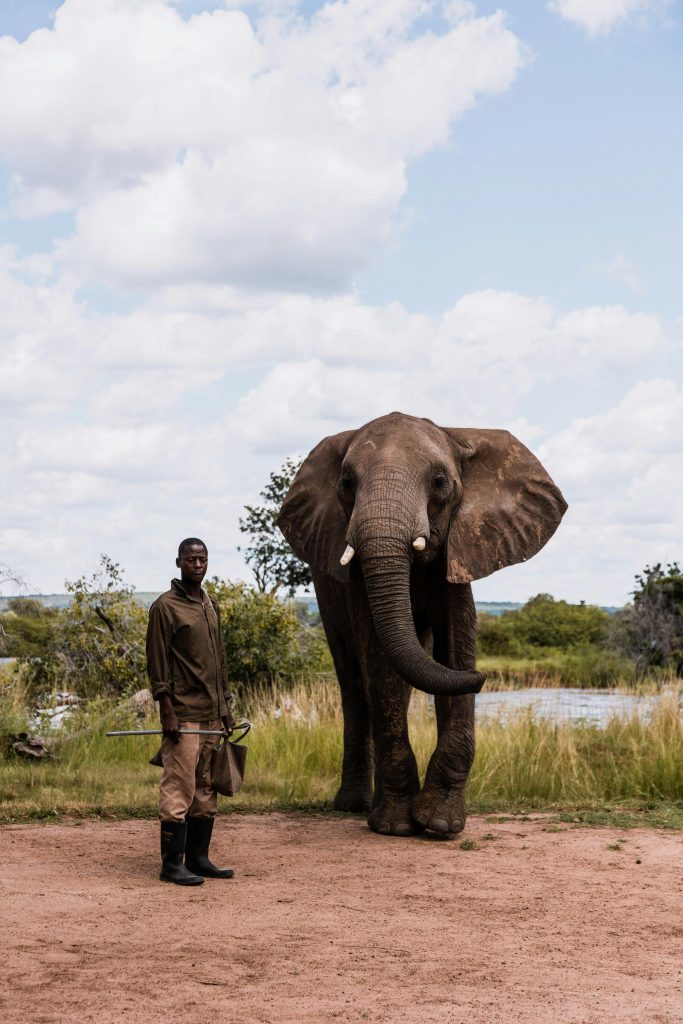
This model builds tolerance for wildlife. When elephants contribute to livelihoods, they are protected rather than feared.
Why walking changes your view of elephants
Seeing elephants from a vehicle offers comfort and distance. Walking removes that barrier. On foot, elephants are no longer framed by windows. They exist as large, intelligent animals with clear social bonds and needs.
I found myself listening more and speaking less. The experience encouraged awareness rather than excitement. That shift stays with you and shapes how you think about wildlife travel elsewhere.
Ethical elephant encounters in Botswana offer something rare. They replace spectacle with understanding.
How to choose responsible operators
Travelers should research operators carefully. Look for small group sizes, qualified guides and clear conservation contributions. Responsible operators explain their approach openly and prioritize elephant welfare over guest demands.
Ethical walking safaris are quieter and slower. They reward patience and curiosity rather than adrenaline.
Leaving the Delta on elephant terms
As our walk ended, the herd drifted toward a water channel, disappearing into reeds and trees. We stayed where we were. There was nothing to follow, nothing to finish.
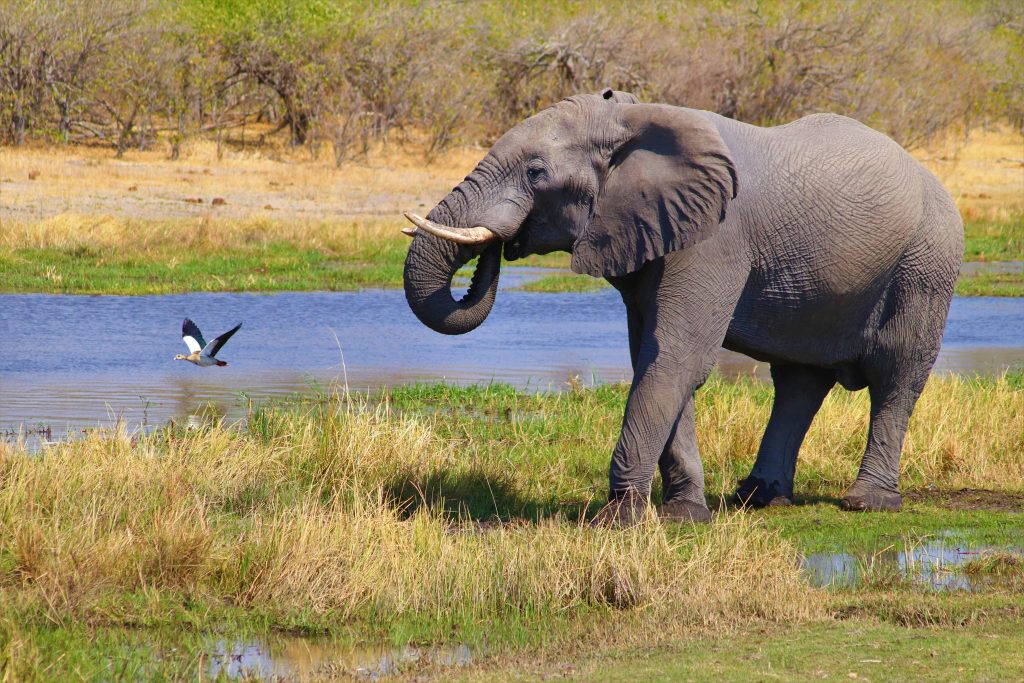
Walking with elephants in the Okavango Delta is about respect and restraint. It reminds you that the most powerful travel moments often come from standing still and letting wildlife move freely.
For another unforgettable wildlife adventure, consider paddling through the waterways of Botswana and Zambia while kayaking alongside hippos: https://www.destinationsa.online/2025/11/27/kayaking-with-hippos-in-zambia-and-botswana/




The editorial team at Destination Southern Africa brings you the most comprehensive travel intelligence for Southern Africa. With decades of combined experience in African tourism, we cover everything from hidden gems to practical travel tips for international visitors.


