
Shopping in Southern Africa isn’t just about what you buy. It’s about where you are when you buy it. One moment you’re browsing jewellery beneath Table Mountain. The next you’re negotiating over hand-carved sculptures within earshot of Victoria Falls. Retail here feels layered, alive and deeply connected to place.
If you’re travelling through the region and want your shopping to feel memorable rather than transactional, these destinations stand out for very different reasons.
V&A Waterfront – Cape Town
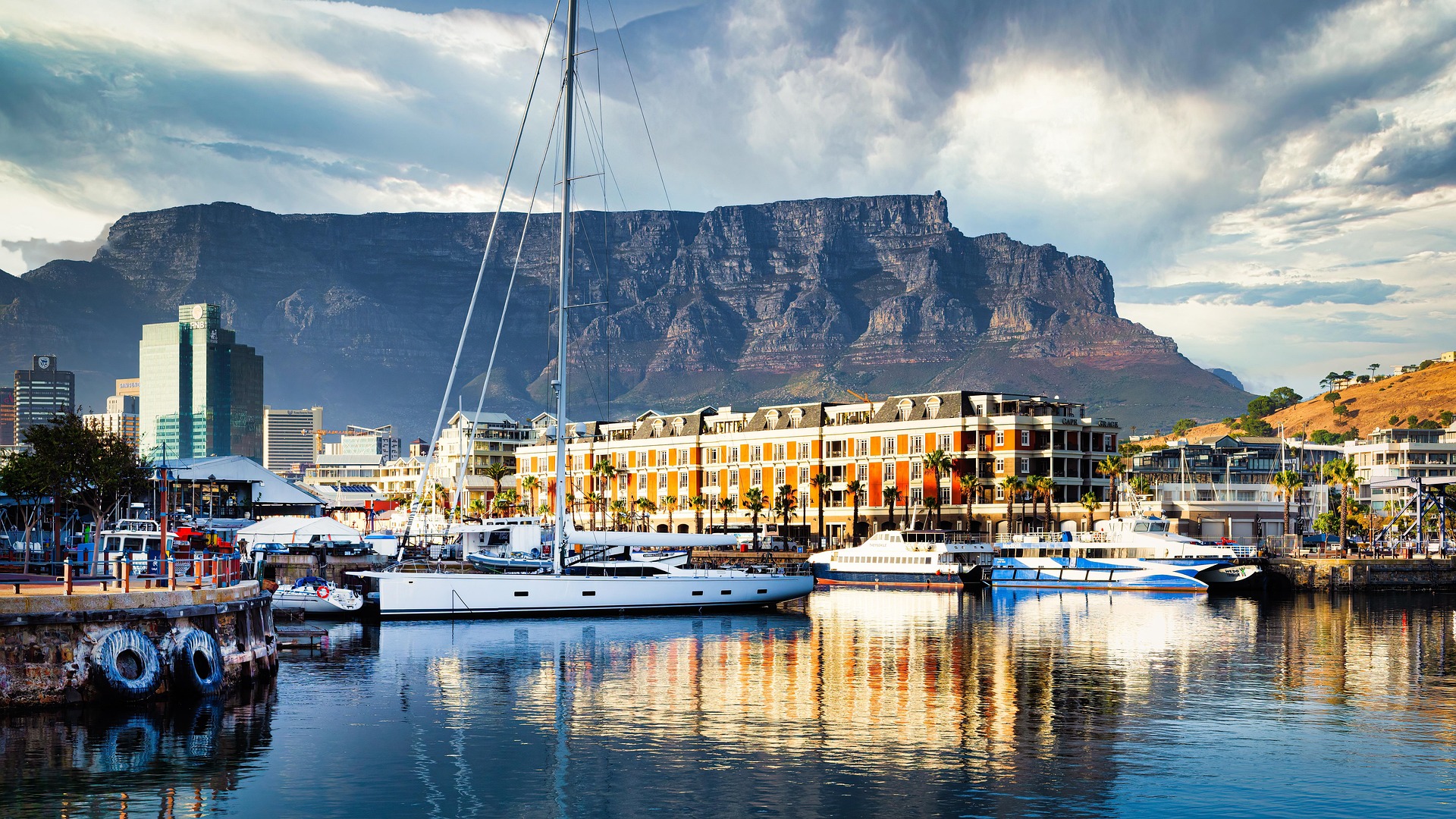
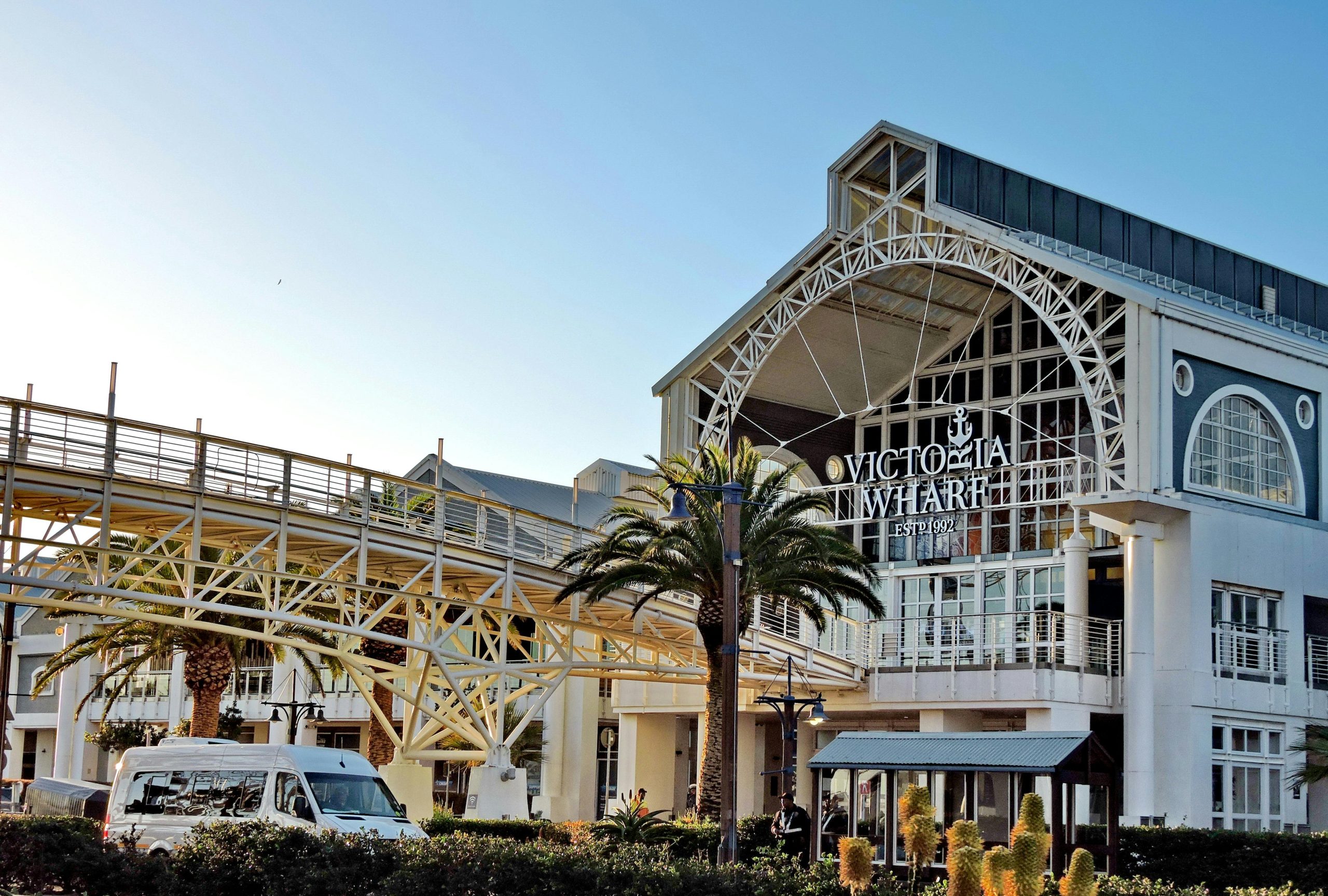
There are few places in the world where you can shop with a working harbour in front of you and Table Mountain rising behind. The V&A Waterfront works because it blends scale with atmosphere. International fashion houses sit comfortably alongside independent South African designers. Street musicians perform near the quays. Restaurants spill into the sunshine.
What elevates it beyond a typical mall is its sense of place. You’re not cut off from the city. You’re in it. Add the Watershed design space, filled with local artisans and contemporary African craft, and you have a retail environment that feels both polished and proudly local.
It delivers variety, safety and scenery in one walkable precinct, making it ideal for travellers who want convenience without losing character.
Sandton City – Johannesburg
Johannesburg is Africa’s financial powerhouse, and Sandton City reflects that confidence. This is where serious retail happens. Global luxury brands, flagship stores and high-end African designers operate side by side.
Connected to Nelson Mandela Square, the precinct feels cosmopolitan and energetic. If you’re looking for investment pieces such as fine jewellery, watches or tailored fashion, this is the region’s most concentrated luxury offering.
It rivals major global shopping districts, offering depth in premium brands that you won’t easily find elsewhere in Southern Africa.
Namib Craft Centre – Windhoek
Windhoek’s Namib Craft Centre offers something different. It’s quieter, more intimate and deeply rooted in community. Craft cooperatives from across Namibia bring their work here, from intricately woven baskets to traditional jewellery and embroidered textiles.
Prices are transparent, quality is high and you know your purchase supports rural artisans rather than middlemen.
It’s one of the region’s best examples of ethical, well-curated craft retail under one roof.
Victoria Falls Craft Market – Zimbabwe
Just a short walk from one of the world’s greatest natural wonders, this market feels vibrant and raw. Stalls overflow with carved wooden animals, soapstone sculptures and bold textiles. Sellers are passionate and engaging. Bargaining is expected and part of the rhythm.
It’s not polished. That’s precisely its appeal.
The energy, craftsmanship and proximity to Victoria Falls create a shopping experience that feels immersive rather than staged.
Grand Baie La Croisette – Mauritius
Mauritius pairs beach life with retail sophistication. Grand Baie La Croisette combines European labels, island fashion and duty-free shopping in a relaxed coastal setting. You can browse boutiques in the morning and be back on the beach by afternoon.
It blends resort ease with polished retail, making it ideal for travellers who want style without sacrificing holiday pace.
How to Make the Most of a Shopping Trip in Southern Africa
Travel with space in your luggage.
Textiles, beadwork and handwoven baskets are hard to resist. Leave room or plan for shipping.
Understand pricing culture.
In structured centres and malls, prices are fixed. In open markets, negotiation is normal. Keep it friendly and respectful.
Buy with awareness.
Avoid wildlife products or anything that seems ethically questionable. Reputable stores will provide certification for gemstones and precious materials.
Shop earlier in the day.
Markets are calmer in the morning. You’ll have better conversations with artisans and less pressure.
Think beyond souvenirs.
Look for pieces you’ll genuinely use or display at home. The best travel purchases are the ones that carry a story long after the trip ends.
More Than Retail
What makes shopping in Southern Africa distinctive is context. You’re rarely indoors and disconnected from your surroundings for long. Mountains, oceans, deserts and waterfalls are often just beyond the storefront.
Here, shopping becomes another way to engage with the region. Each purchase reflects landscape, culture and craft. Done thoughtfully, it becomes less about consumption and more about connection.