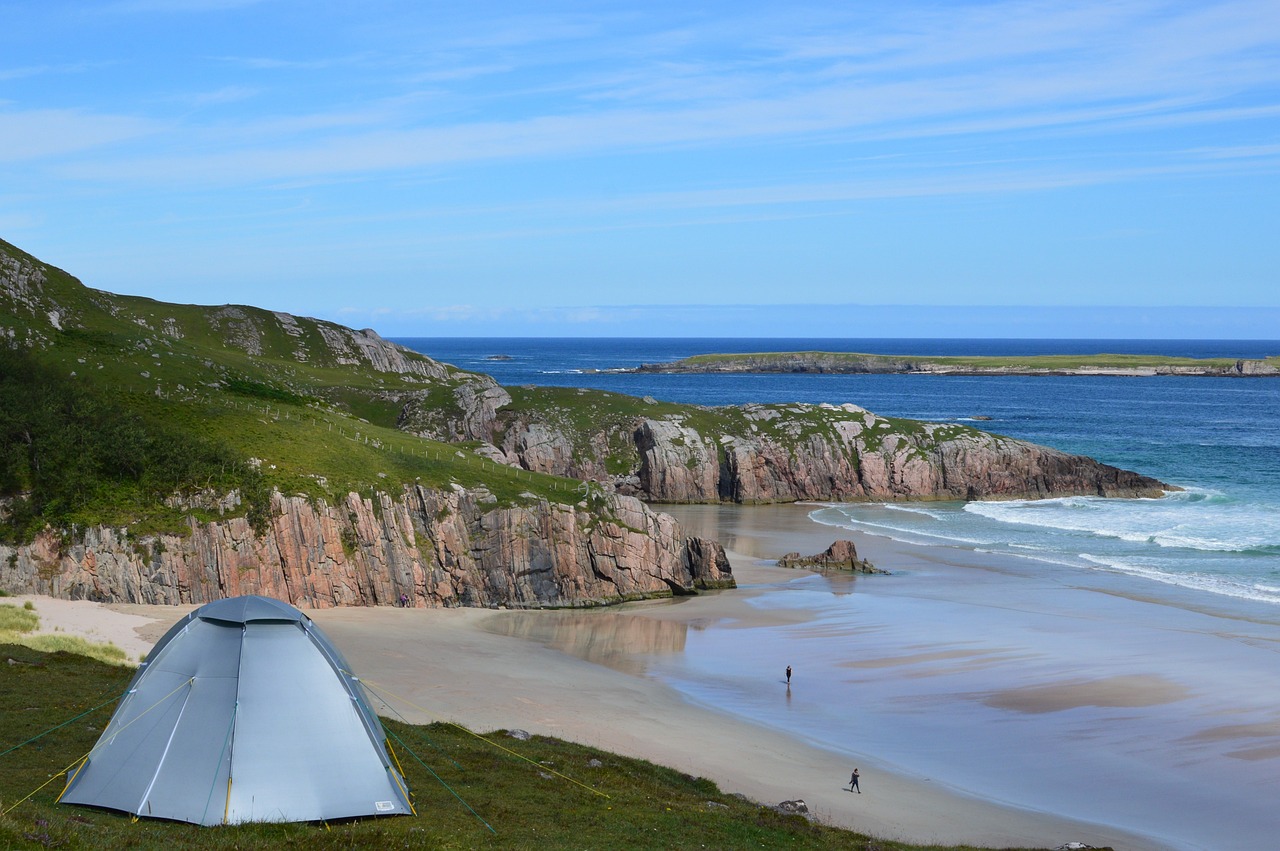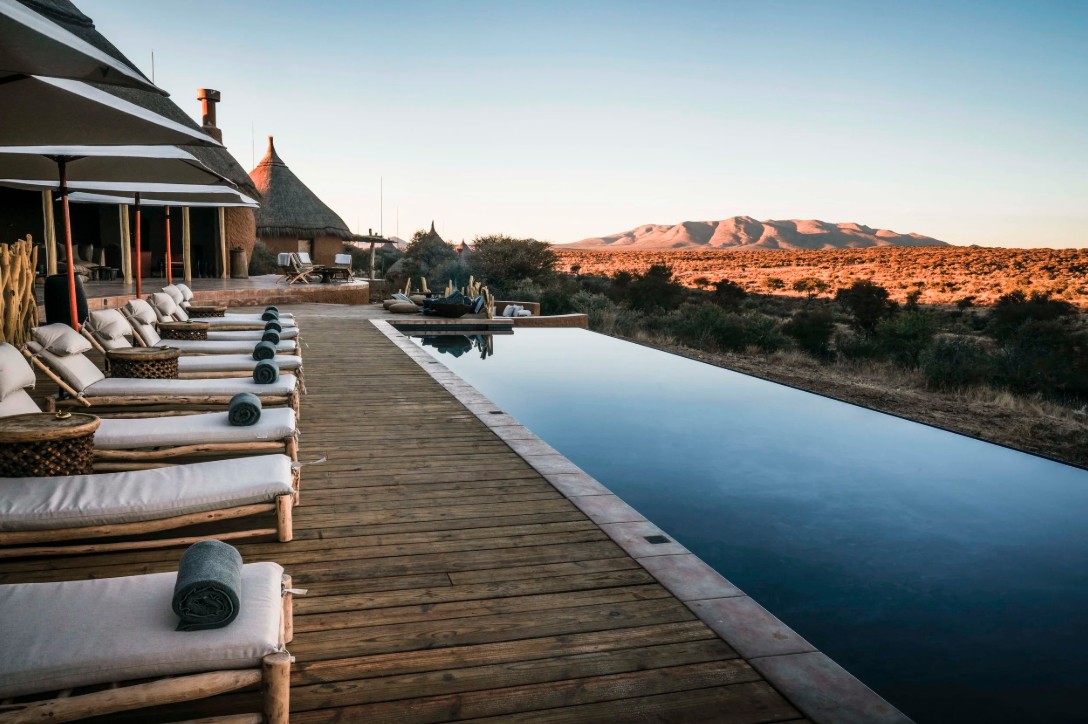


There is a particular magic to travelling by train in Africa. It is a rhythm that creeps into your bones and reminds you that journeys are not only about destinations but about the space in between. I have spent years crossing Southern Africa by slow locomotives, luxury carriages and rattling commuter lines. Each journey has taught me something different. Sometimes it is patience. Sometimes it is humility. Always it is wonder.
The Essence of Train Travel in Africa
Africa’s trains offer the full spectrum of human experience. On one end you have polished crystal glasses, soft leather seats and chefs in starched whites preparing five course dinners as the sun melts over the plains. On the other end you have the daily hum of commuters stepping aboard after a long shift, plastic shopping bags on their laps, sharing stories and laughter as the carriage clatters home.
Both are equally African in their soul. Both reveal something profound about travel: luxury is a viewpoint, not a price tag.
Rovos Rail: Africa at its Most Refined
My first journey on Rovos Rail began in Pretoria as steam drifted into the morning light. The platform felt suspended in time. Once aboard, the train moved with the kind of grace usually associated with ballroom dancers. The route wound past goldfields, grazing antelope and villages tucked into folds of grassland. The cabins were elegant, the beds plush and the staff attentive in ways that felt personal rather than polished.
Dinner was a multi course celebration of South African cuisine. I remember the way the cutlery vibrated gently with the rhythm of the tracks and how a silence fell over the dining car as guests stared out at the night sky, impossibly wide and scattered with stars.
Rovos is not simply a train. It is a reminder that slow travel can be luxurious in its simplicity. That there is power in taking time.
The Shosholoza Meyl: A Journey with Heart
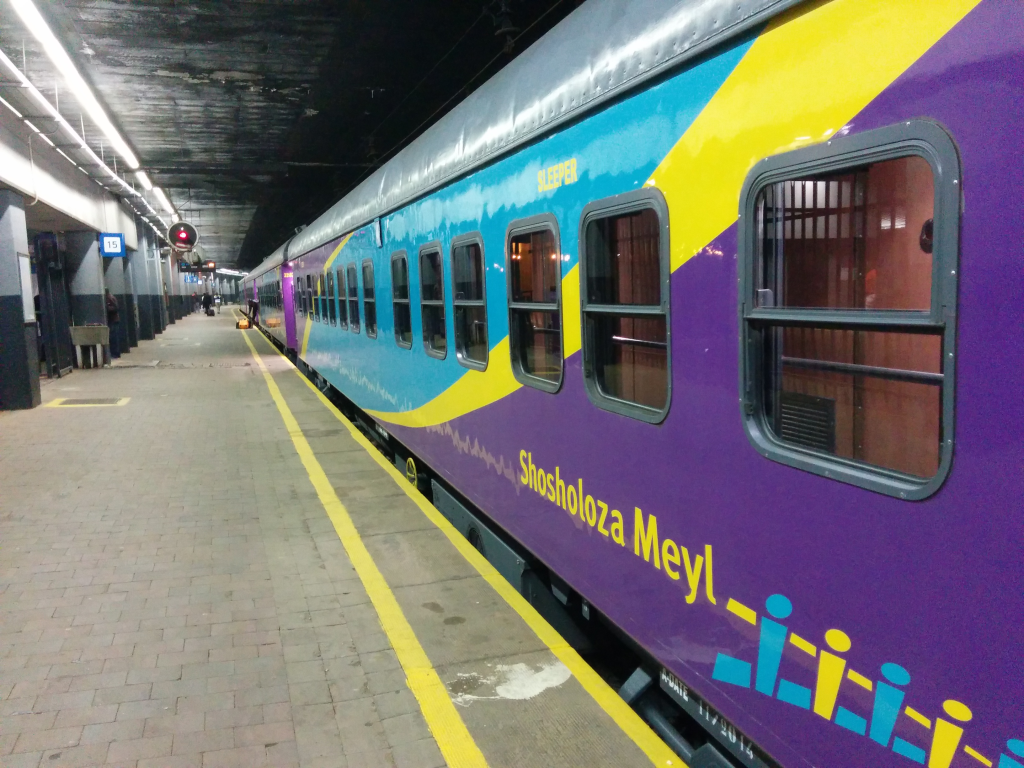
On a different journey I boarded the Shosholoza Meyl in Johannesburg bound for Cape Town. This time there were no chandeliers or velvet chairs. Instead there were children pressed against the windows watching townships roll by, students sharing packets of vetkoek and mothers chatting as they unpacked homemade snacks for the night ahead.
The train moved steadily, occasionally pausing at tiny stations where vendors sold fruit, coffee and amagwinya. The landscapes were just as staggering as on the luxury trains. The difference lay in the stories being shared inside the carriage. People spoke about work, family, opportunity and struggle. There was an intimacy to this train. A feeling that the journey belonged to everyone on board.
It taught me that the heart of Africa’s trains lies not in extravagance but in human connection.
The Desert Express and Namibia’s Timeless Horizons
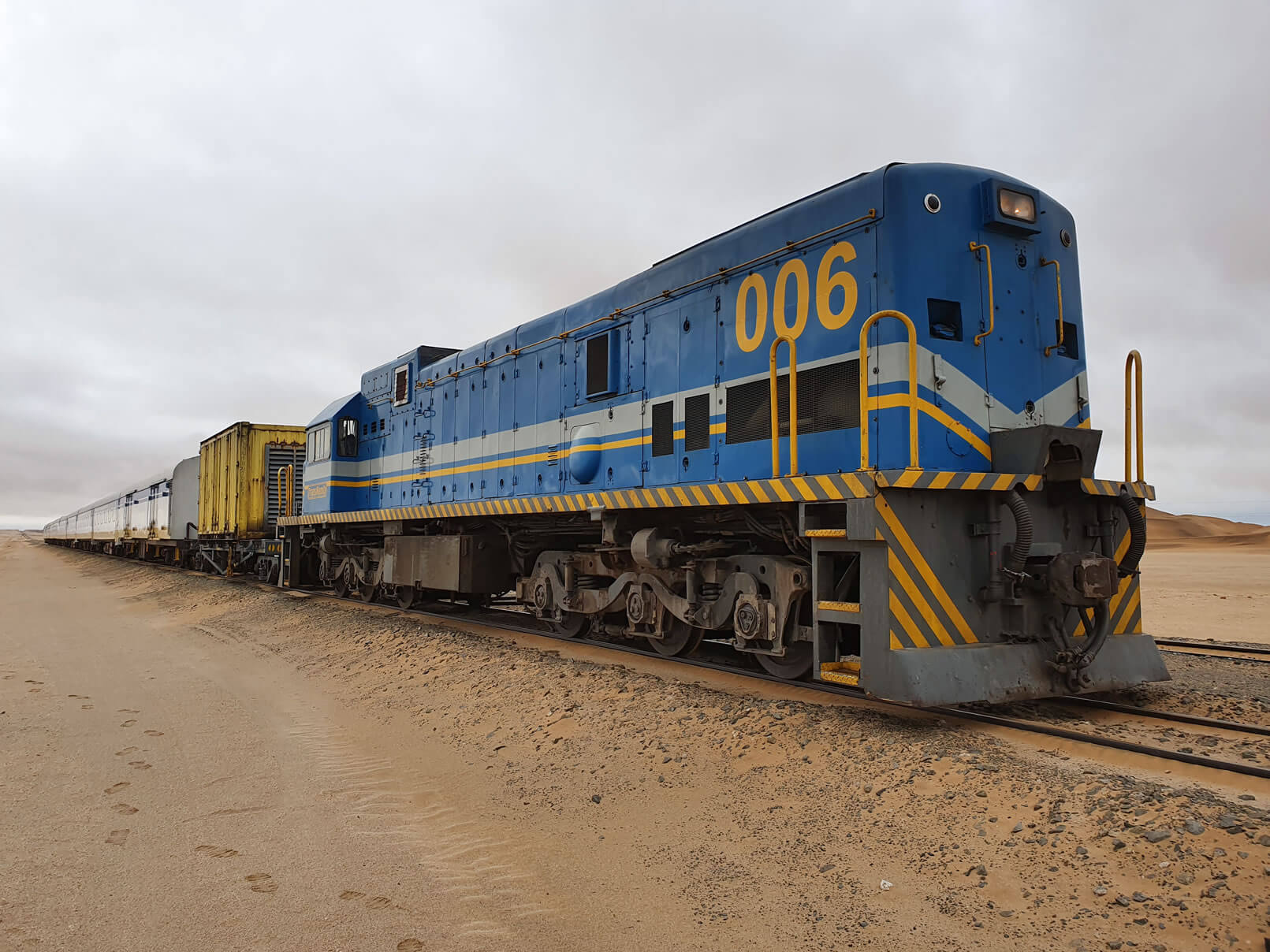
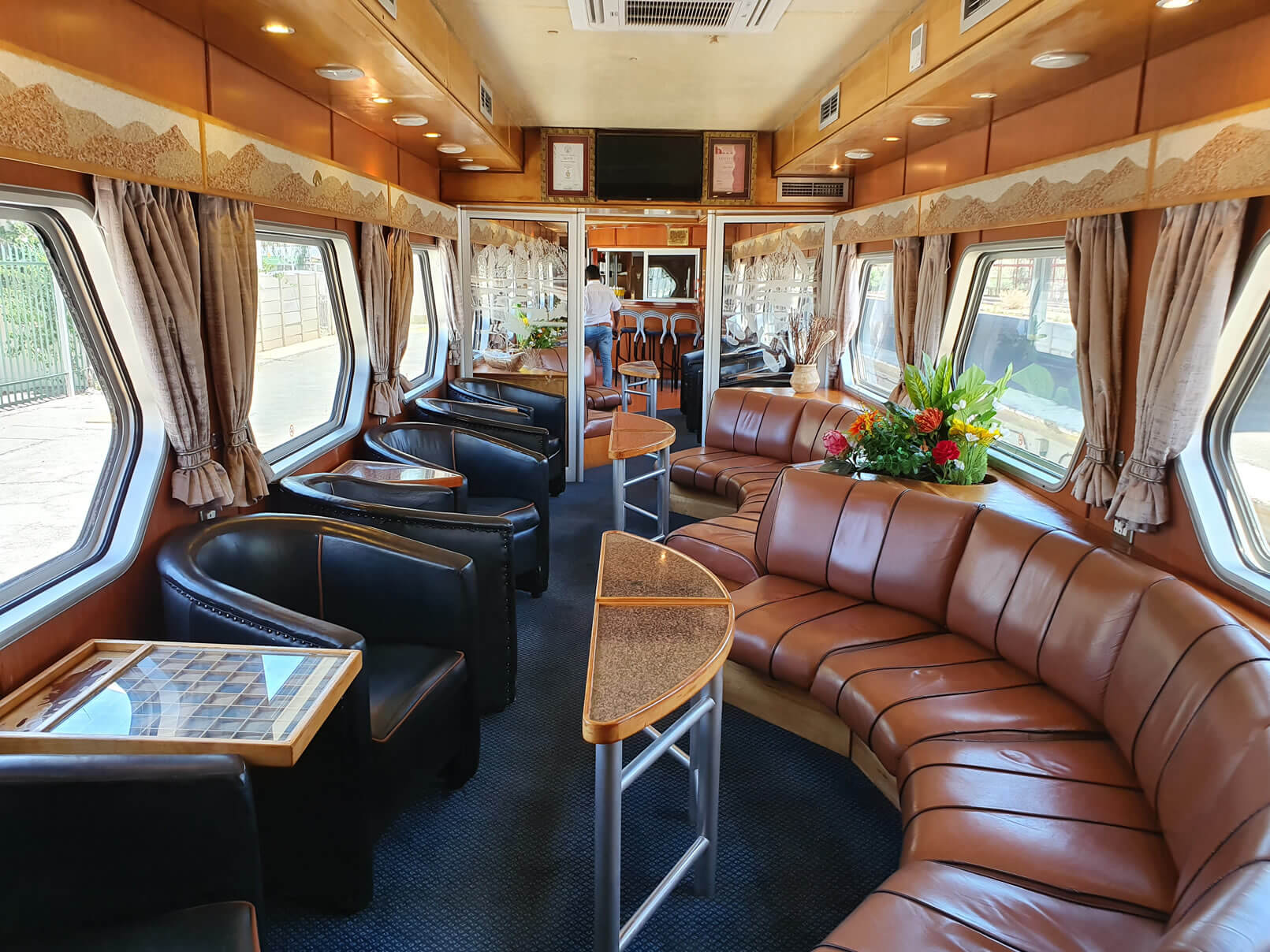

In Namibia the Desert Express once offered one of the world’s most surreal routes through ochre plains and lunar landscapes. As the train rolled out of Windhoek, the desert opened in ripples of sand and broken mountain ridges. Wildlife sightings were common. Oryx silhouettes danced along the horizon, their horns sharp against the pale sky.
Although the Desert Express is not currently operating, its legacy remains a symbol of Namibian train travel. The country’s vastness lends itself beautifully to rail journeys. Plans for future services are ongoing and travellers remain hopeful for their return.
Mozambique and Zimbabwe: Rail Travel with Grit and Grace
Zimbabwe’s old rail network is adored by photographers and romantics. In Harare the night trains still run toward Bulawayo with a nostalgic charm. Compartments are simple but functional. The best part is drifting to sleep as the train sighs over its tracks and waking to sunrise over the Matobo plains.
Mozambique offers a different story. The Maputo to Matola line is largely commuter based and full of daily life. Vendors weave through the crowds selling cashews, bananas and cold drinks. The trains are lively, loud and unapologetically real. These journeys are not for travellers seeking comfort, but for those wanting authenticity, they offer some of the most memorable moments in Southern Africa.
Travel and Safety Advice for Train Journeys
General Safety
- Keep valuables locked away or hidden, especially on commuter routes.
- Avoid displaying cameras, phones or jewellery openly.
- If travelling overnight, secure your cabin door where possible.
- Only use official ticketing offices or verified online booking platforms.
Health and Comfort
- Pack water, snacks and tissues. Not all trains have catering services.
- Bring warm clothing. Nights on the tracks can be chilly even in summer.
- If you are a light sleeper, train travel is rarely quiet. Earplugs help.
Luxury Routes
- Book at least three to six months in advance during peak seasons.
- Luggage allowances may be smaller than on flights. Pack strategically.
- Respect dress codes for dinner on premium trains.
Commuter and Regional Routes
- Travel during the daytime when possible for visibility and comfort.
- Sit near families or groups if you are travelling alone.
- Trust your instincts. If a carriage feels unsafe, move to another one.
Why Africa’s Trains Matter
Trains in Africa remind us that journeys are emotional landscapes. They hold the laughter of strangers becoming friends, the quiet contemplation of watching a continent roll by and the rare privilege of witnessing everyday life from a moving window.
Luxury trains give us grandeur. Commuter trains give us truth. Together they paint a portrait of travel that is as diverse and dynamic as Africa itself.
Board any train in Southern Africa and you will feel it. That soft metallic rumble beneath your feet. That promise of motion. That call of the unknown. The journey will shape you long after the tracks disappear.